Bessent Blasts Spanberger as Virginia Pulls Out of Federal School Scholarship Program
Bessent Blasts Spanberger as Virginia Pulls Out of Federal School Scholarship Program
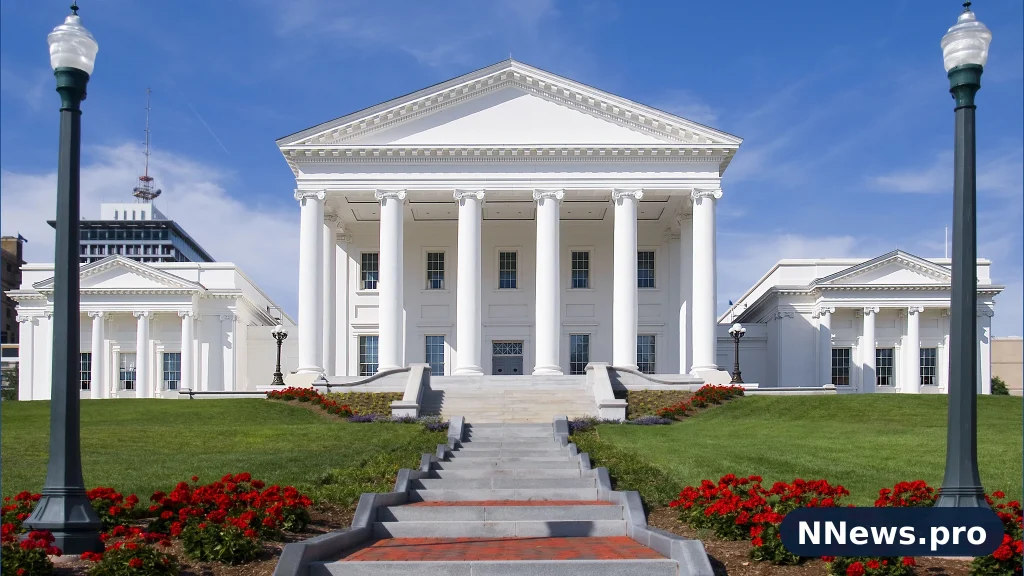
Virginia will sit out the first year of the nation’s first federally funded school voucher program, Gov. Abigail Spanberger decided last week — drawing a sharp public rebuke from Treasury Secretary Scott Bessent over the weekend.
Spanberger will not finish the enrollment former Gov. Glenn Youngkin began in January, her office told The Washington Post on Friday, November 13. Two days later, Bessent accused the Democratic governor on social media of “slamming the door on education scholarships for Virginia children, including students in PUBLIC schools,” and argued that federal law requires her to complete the process.
The fight turns on a single unfinished filing: a state list of scholarship organizations Virginia must send to the IRS by February 15, 2027. Without it, no Virginia student can receive one of the new federal scholarships when the program begins on January 1, 2027.
A reversal months in the making
Youngkin spent months touting Virginia as the first state to join the program. Days before leaving office in January, he filed the state’s advance election with the Treasury Department. His January 9 letter named eight scholarship organizations, and on January 16 he announced five more — 12 in all, because one name appeared on both lists.
But a letter from the IRS, sent by acting chief counsel Kevin Salinger to Spanberger’s office in late October and not previously reported, revealed that Youngkin’s administration had not actually completed the process. The IRS said Virginia “has not perfected its advance election submitted by the prior gubernatorial administration,” because a mandatory second step — uploading the state’s list of scholarship-granting organizations, or SGOs, to an IRS portal — could not be completed at the time. The portal went live on October 23.
“As made clear by the IRS, former Governor Youngkin — whose endeavors since leaving office include touting the Commonwealth’s involvement in this federal program — did not actually enter Virginia into the program,” a spokesperson for Spanberger told The Post. “The Spanberger Administration, at this point, does not believe this program would benefit students in public schools, and the Commonwealth will not be participating this year.”
Spanberger, who had promised during her campaign to reject efforts to divert funding from public education to voucher programs, will instead monitor the program to “assess its impacts on students, families, and schools in other states,” her office said.
Youngkin’s camp pushed back immediately. Zack Roday, an adviser to the former governor, said Youngkin was the “first in the country to complete the official form” and called Spanberger a “roadblock.”
“Spanberger’s apparent reluctance to bring this opportunity to life for 1.4 million Virginia K-12 students is a betrayal to her voters,” Roday said. “The groups — including organizations prioritizing public school kids — are ready for her to file the official State SGO list which is the final step in the process. She can and should do that today.”
Bessent joins the fight
The dispute escalated on Sunday, November 15, when Bessent took to X to attack the governor directly, writing that Spanberger was “slamming the door on education scholarships for Virginia children, including students in PUBLIC schools,” and urging her to certify the scholarship organizations rather than “play politics with children’s futures.”
“Virginia has already chosen to participate in 2027, and @GovernorVA is required under federal law to complete the administrative procedure,” Bessent wrote, arguing that Youngkin’s election on file with the IRS settled the question. Youngkin pressed the same case on Sunday.
Spanberger’s office had not publicly responded to Bessent’s posts as of Monday. Treasury’s position is that a state that filed an advance election must complete it; the governor’s office maintains the election was never completed and participation is a choice the state can decline for 2027.
How the federal scholarship tax credit works
The program, formally the Education Freedom Tax Credit and written into the tax code as Section 25F, was created by last year’s Republican tax and spending bill, the One Big Beautiful Bill Act. When it launches in full in 2027, it will become the nation’s first federally funded school voucher program.
It works through a dollar-for-dollar federal tax credit: a taxpayer who donates cash to a scholarship-granting organization gets every dollar back — up to $1,700 a year, or $3,400 for a married couple filing jointly. The organizations pass the money to eligible families, who can use it for tuition and other school costs.
A scholarship can go to any K-12 student who is eligible to enroll in a public school and lives in a household at or below 300 percent of the area median gross income, whether the student attends a public, charter, private or religious school. The Treasury Department has put the eligible share at about 96 percent of children in participating states.
The Congressional Budget Office estimated the program will cost the federal government $26 billion over 10 years.
The program was designed mainly for private-school students, but scholarship organizations may also help public school students with tutoring and school supplies — a feature that has complicated the politics for some Democrats, who generally oppose voucher programs. Youngkin told Fox News it could unlock “hundreds of millions of dollars” for all students, including children with disabilities who need expensive, specialized services.
To enroll, governors must complete a two-step process: submit an election, then upload a list of SGOs to the IRS portal. Under Treasury’s temporary regulations, effective September 1, an advance election counts for 2027 only if the state also sends its SGO list between October 1, 2026, and February 15, 2027. As of November, 32 governors have opted in, according to a tracker by Democrats for Education Reform. Only a handful of Democratic governors have said they will take part.
The debate inside Virginia
Pressure on Spanberger built for weeks. The Virginia Education Association urged her on October 2 not to complete the enrollment, warning that even a 4 percent reduction in public school support would mean roughly $940 million less a year statewide. On October 9, Spanberger said Virginia’s status “remains in question.”
Related Articles



Supporters pressed the other way. The Chesapeake School Board voted 7–2 on October 12 to back participation, and board chair Kim Scott put the trade-off plainly: “Virginians can still participate,” she said, but their donations “would go to students in other states. I want Virginia dollars in Virginia.”
Opponents argue the federal program, like state voucher programs, will siphon students and funding from public districts. They also note private schools face looser accountability — teachers need not be licensed, they need not give standardized tests, and they can refuse students based on religion, LGBTQ status or other factors.
Supporters counter that the credit lets more families choose the best school for their child, and that public school students can benefit too, through tutoring, transportation and special-needs services. The fight echoes other voucher battles: Florida barred voucher funds for private schools tied to terrorist groups earlier this month, and the Pell Grant program faces a $17 billion shortfall. The University of Kentucky draft policy would ban ‘political activity’ on campus Wi-Fi, another sign that education policy fights are playing out on several fronts at once.
Virginia’s public schools enrolled 1,258,852 students in 2023–24, according to the National Center for Education Statistics.
What happens next
The window to send the SGO list stays open until February 15, 2027, so Spanberger’s decision can still change. Each year is a separate election, so 2028 would be a new decision either way.
If nothing changes, no Virginia student can receive one of these scholarships in 2027, because no Virginia organization will be on the federal list. Virginians can still donate to an organization on another participating state’s list and claim the credit — but those scholarships go to students in that state. One exception: a dependent of a service member can still receive a scholarship from the list of the state where the family legally lives.
Virginia’s own Education Improvement Scholarships Tax Credit, a separate pre-existing state program, is unaffected. A bill that would have put state testing and other rules on private schools taking tax-credit scholarships, HB 359, was carried over to the 2027 General Assembly session.
Virginia is the first state whose election is on file with the IRS and will not be completed; the other governors who said no did so before filing anything. That makes the state the first real test of the program’s opt-in design — and of whether Treasury can compel a governor to finish an enrollment her predecessor started.
Why this matters
The Virginia fight is the first major clash over the federal scholarship tax credit, and its outcome will shape how the program works in practice. If Spanberger holds her ground, other Democratic governors weighing participation will have a template for declining. If Bessent’s argument prevails — that an election on file must be completed — governors who signed up early may find they cannot easily back out.
For Virginia families, the stakes are immediate: the program’s first year begins in about six weeks, and the February deadline leaves little time for the politics to shift.
Frequently asked questions
What is the federal scholarship tax credit?
It is a dollar-for-dollar federal tax credit, created as Section 25F of the tax code, for donations to scholarship-granting organizations. Donors can claim up to $1,700 a year, or $3,400 for married couples filing jointly. The organizations give scholarships to eligible K-12 students for tuition and other school costs. It starts January 1, 2027.
Why did Virginia opt out?
Gov. Spanberger’s office said the administration “at this point, does not believe this program would benefit students in public schools.” An IRS letter also showed that former Gov. Youngkin’s administration never completed the enrollment process — the state filed an advance election but never submitted its required list of scholarship organizations.
Can Virginia still join the program for 2027?
Yes. The window to send the state’s list of scholarship organizations to the IRS stays open until February 15, 2027. If Spanberger changes her mind and files the list, Virginia organizations would qualify for 2027. Each year is a separate election, so 2028 would be a new decision either way.
What does this mean for Virginia families?
No Virginia student can receive one of these scholarships in 2027 unless the decision changes, because no Virginia organization will be on the federal list. Virginians can still donate to organizations in other states and claim the credit, but those scholarships go to students in those states. Virginia’s own state scholarship tax credit program is unaffected.
The Treasury secretary’s intervention raises the stakes, but the decision still rests with the governor — at least until February 15, when the filing window closes.
Sources: The Washington Post (https://www.washingtonpost.com/dc-md-va/2026/11/13/spanberger-reverse-decision-participate-trumps-school-vouchers/), GoFredericksburg (https://gofredericksburg.com/posts/virginia-will-sit-out-the-federal-scholarship-tax-credit-in-2027), SSBCrack News (https://news.ssbcrack.com/spanberger-declines-to-enroll-virginia-in-federal-school-scholarship-tax-credit-program/), EFTC Credit (https://eftccredit.com/states/virginia), Chad Aldeman (https://www.chadaldeman.com/p/governor-spanberger-opted-out).