Musk Warns Nvidia Could Lose ‘Critical’ Deals Without Jensen Huang as Petition Tops 120,000 Signatures
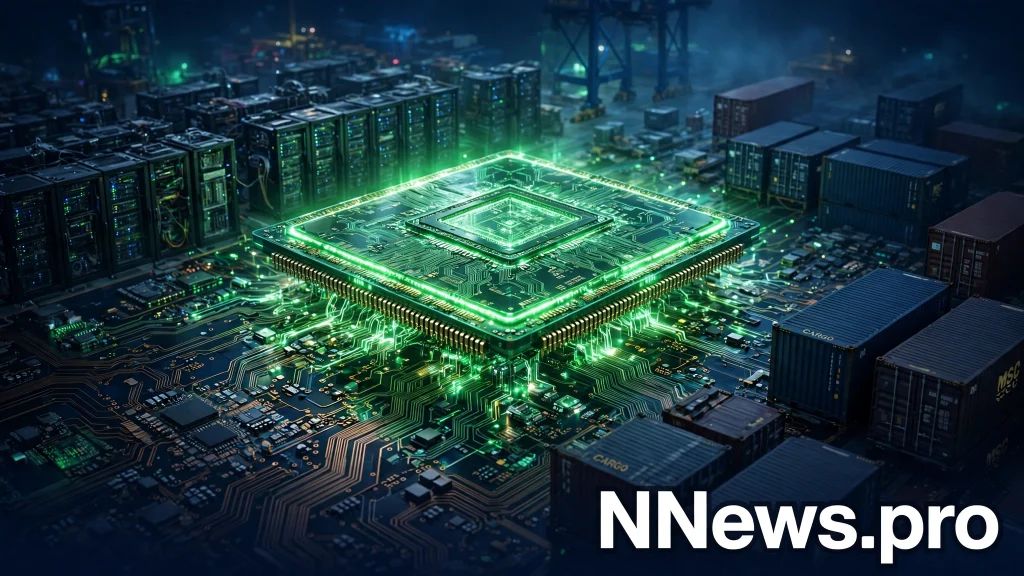
Elon Musk warned on Saturday that Nvidia could lose some of its most important business deals now that Jensen Huang is gone, arguing that many of the chipmaker’s key supply chain agreements rested on Huang’s personal word rather than on signed contracts.
Musk, the chief executive of Tesla and SpaceX, made the claim in a post on X, two days after Huang resigned as Nvidia’s president, chief executive and a director. He also signed a petition calling for Huang to be reinstated, a campaign that had gathered more than 120,000 signatures by Saturday.
“Jensen drove supply chain brilliantly at Nvidia, but many of those deals were a handshake with Jensen, not a written contract,” Musk wrote. “Without Jensen, at least some of those critical deals will be lost.”
A warning built on personal experience
Musk’s warning was not abstract. He drew on his own dealings with Huang as one of Nvidia’s biggest customers, saying the former chief executive had repeatedly delivered on informal promises when it mattered most.
“If Jensen gave me his word about compute delivery or I asked for components to be accelerated, he always came through,” Musk wrote, in a reply to an interview with SemiAnalysis analyst Dylan Patel that was circulating on X.
The Tesla chief had already made his support for Huang public on Friday, when he wrote that a petition to bring him back was under way and that he was signing it too. “A petition is underway to reinstate Jensen and I’m signing it too,” he posted.
The campaign, called “Stand With Jensen,” had passed 120,000 names by Saturday, according to Bitcoin.com, including more than 6,000 people who identified themselves as current Nvidia employees. Investor Tom Lee and Replit chief executive Amjad Masad were among the other signatories. The signatories’ descriptions of themselves have not been independently verified.
Musk also responded to a suggestion on X that Huang should be hired elsewhere, saying it “would be an honor.”
Huang’s abrupt exit
Jensen Huang’s resignation was announced on Thursday, November 12, and took effect immediately, ending a 33-year run at the company he co-founded and built into the world’s most valuable chipmaker. Nvidia disclosed the move in a Form 8-K filing the same day.
Chief financial officer Colette Kress took over as interim chief executive while keeping her finance role, and director Harvey C. Jones became the board’s first-ever chair. CNBC reported, citing a person familiar with the matter, that the board had decided to remove Huang; the company’s filing describes the departure as a resignation.
The exit followed an inquiry into Huang’s relationship with Alice Huang, an executive at Megaspeed, a chip buyer at the centre of a United States export-control case. Reuters reported earlier this week that Huang had misled Nvidia executives about the ties, a development covered in NNews’ earlier reporting on Jensen Huang’s resignation.
Nvidia is due to report its fiscal third-quarter results on Tuesday, November 17, its first earnings report without Huang at the helm. The company has also approached Arm chief executive Rene Haas about succeeding Huang, according to a separate report.
Why the handshake matters
Musk’s argument is that Nvidia’s dominance was built on more than silicon. Huang personally managed relationships across the semiconductor supply chain, from foundries and memory suppliers to the cloud giants and AI labs that buy Nvidia’s accelerators by the tens of thousands.
Related Articles


The scale of what is at stake is enormous. In its quarterly filing for the period ended July 26, 2026, Nvidia disclosed $279 billion in supply and capacity commitments, against $31.6 billion of inventory. In August, the company announced a financing platform with Apollo, BlackRock, Blackstone, Brookfield, Goldman Sachs and KKR described as supporting up to $500 billion of AI computing deals.
Musk’s point is that in an industry where capacity is scarce and allocation is everything, a supplier’s willingness to prioritise one customer over another often comes down to trust in the person making the promise, not the paper behind it. If that trust walked out the door with Huang, he argues, some of those arrangements may not survive the transition.
That view has been contested. Analysts note that Nvidia’s deals are ultimately governed by contracts, purchase orders and the company’s market position, and that no supplier has publicly said any agreement is at risk. Neither Nvidia nor any of its suppliers has publicly confirmed that a specific deal is in jeopardy, and Musk did not name any agreement he had in mind.
What happens next
The immediate test comes on Tuesday, when Kress presents Nvidia’s quarterly results to investors and analysts for the first time as interim chief executive. The numbers, and her guidance on supply and demand, will be read as an early signal of whether the company can hold its partners steady through the leadership shock.
The board’s search for a permanent successor is also under way, with Haas among the names reported to have been approached. Whoever takes the job will inherit not only the world’s most important AI chip business but also the task of rebuilding the personal relationships that, by Musk’s account, held much of it together.
For now, the petition keeps growing, and the debate over how much of Nvidia was Jensen Huang, and how much was the company he built, is only beginning.
Frequently Asked Questions
What did Elon Musk say about Nvidia and Jensen Huang?
Musk said on X that Huang “drove supply chain brilliantly at Nvidia” but that many deals “were a handshake with Jensen, not a written contract,” and warned that “without Jensen, at least some of those critical deals will be lost.”
What is the “Stand With Jensen” petition?
It is an online petition calling on Nvidia’s board to reinstate Huang as chief executive. Musk signed it on Friday, November 13, and it had passed 120,000 signatures by Saturday, including thousands of people who identified themselves as current Nvidia employees.
Why did Jensen Huang leave Nvidia?
Nvidia announced on November 12 that Huang had resigned as president, chief executive and a director, effective immediately. The departure followed an inquiry into his relationship with Alice Huang, an executive at Megaspeed, a chip buyer at the centre of a US export-control case. CNBC reported the board decided to remove him; the filing describes a resignation.
Who is running Nvidia now?
Chief financial officer Colette Kress is interim chief executive while keeping her CFO title, and director Harvey C. Jones became the board’s first-ever chair. Nvidia reports fiscal third-quarter results on Tuesday, November 17.
Sources: Reuters (via Nakoda) https://news.nakoda.ai/article/musk-says-nvidia-could-lose-critical-deals-handshakes-huang ; WCCFTech https://wccftech.com/elon-musk-warns-nvidia-lose-critical-supply-deals-without-jensen-huang/ ; Bitcoin.com https://news.bitcoin.com/featured/elon-musk-backs-jensen-huangs-nvidia-return-as-120k-sign-petition/ ; AInvest https://www.ainvest.com/news/handshake-isn-nvidia-risk-signature-2611/ ; MEAWW https://news.meaww.com/elon-musk-warns-nvidia-could-lose-major-business-deals-without-jensen-huang