U.S. Intel Indicates Iran Is Planning a Possible Dirty Bomb Attack in Washington, D.C.
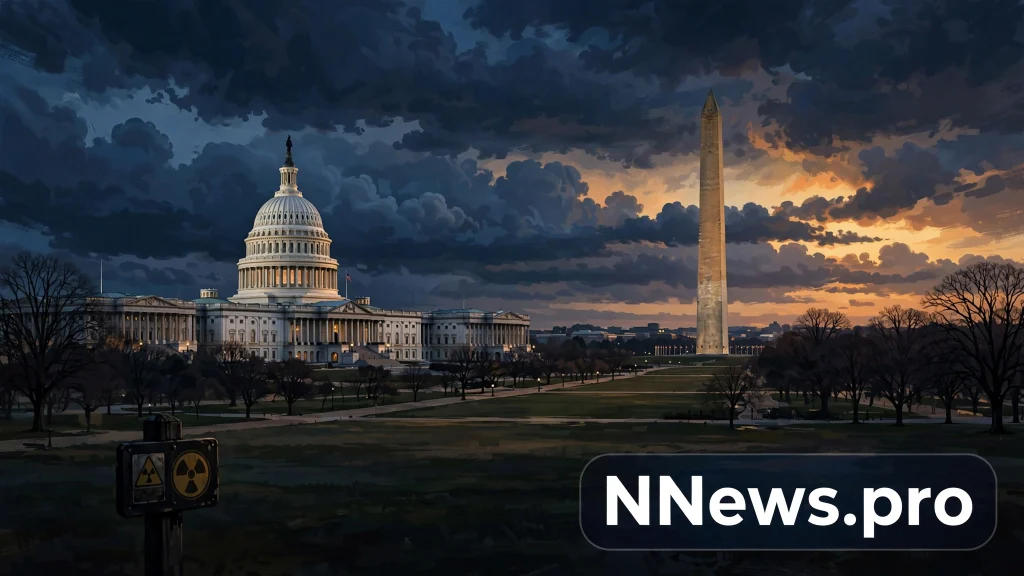
New American intelligence indicates Iran is developing plans to target senior Trump administration officials with a dirty bomb or a chemical weapon in Washington, D.C., CNN reported on Monday, citing seven U.S. officials. The planning is not seen as a sign of an imminent attack, but officials say it is very specific — including named locations and targets — and it has set off a flurry of contingency planning.
It is the most alarming sign yet that the conflict with Iran could reach American soil — though officials stressed the intelligence describes Tehran giving itself options, not a decision to strike.
What the Intelligence Shows
According to CNN, the intelligence indicates Iran is drawing up plans that could target senior officials in President Donald Trump’s administration in the capital. Sources familiar with it described the planning as, for now, an effort by Tehran to give itself options rather than an indicator of an imminent attack.
But two sources said the plotting picked up by U.S. agencies has been very specific, including locations and targets, and has sparked a flurry of contingency planning, with several meetings over the past week on how to counter it.
Officials remain divided over whether Iran has the capability, the people in place, or the intent to carry out such a plot. “Whether they actually have the personnel in place to execute is a matter of debate,” one source told CNN.
Intercepted Iranian chatter has also claimed bomb-making materials are already hidden inside the United States. Officials are split on that claim’s credibility, and there is no publicly verified evidence of any such stockpile. It is unverified — not an established fact.
White House: No Credible Threat Right Now
The White House moved quickly to put the report in perspective. Spokesperson Lauren Bis said the United States is “monitoring any and all potential threats, but at this time there are no credible threats to the homeland.”
The statement does not dispute the intelligence. It draws a line between planning U.S. agencies are tracking and a threat officials judge credible and imminent — the central tension: the intelligence is specific enough to demand contingency planning, but officials do not believe an attack is about to happen.
Threats from Iran also led the Secret Service to move Treasury Secretary Scott Bessent into military housing last week — a sign of how seriously the government is treating the threat, even while the White House says there is no credible danger to the public.
What a Dirty Bomb Is — and Is Not
A dirty bomb is not a nuclear weapon. It is a conventional explosive wrapped around radioactive material, designed to scatter contamination over a limited area. It uses no nuclear fission, and experts say most of the casualties from such a device would come from the blast itself, not from radiation.
That does not make the threat small. A dirty bomb in a city could contaminate streets and buildings, force evacuations, shut down parts of the city, and spread fear far beyond the blast zone. Its power is disruption as much as destruction: contamination could make areas unusable for months.
CNN’s Katie Bo Lillis, who broke the story, explained on air that a dirty bomb’s impact would be limited to blocks rather than miles — very different from a nuclear weapon — but officials are taking the planning seriously because of what it says about Tehran’s intentions.
There is a precedent. Lillis pointed to a 2011 Iranian plot to assassinate the Saudi ambassador in Washington, which U.S. officials uncovered and prosecuted — proof that Iran has been willing to plan attacks inside the American capital before, even when they were never carried out.
Why Washington Is Taking It Seriously
American officials view the intelligence as a signal of alarming willingness to escalate by Iran as it faces intense pressure from U.S. military strikes and a punishing economic blockade that top officials have called “devastating.” One source put it this way: Iran’s capability has not changed, but its incentive has.
Related Articles


The war with Iran began on February 28, 2026. Trump declared last week it would be over “fairly soon,” and diplomatic talks to end it continue, though they have stuttered. Trump told advisers he may hold off on further attacks barring new provocations, a sign the administration has been looking for a way out.
The region has already seen direct exchanges: Bahrain intercepted Iranian aerial attacks earlier in the conflict, as Tehran said it struck a U.S. base. The U.S. naval blockade continues, and talks to end it and reopen the Strait of Hormuz remain stalled.
Separate intelligence suggests Iran could also use chemical weapons against U.S. troops in the Middle East, and several sources said American troops lack adequate protective equipment or training for that scenario.
Iran’s mission to the United Nations rejected the chemical-weapons allegations as false and fabricated, saying Tehran considers their use illegitimate under any circumstances. It did not directly address the dirty bomb intelligence.
A regional source said the next several weeks will be critical for any agreement to end the blockade and reopen the strait, warning hardliners who have benefited from the war could try to wreck the talks. One U.S. official said Iran understands the retaliation it would face — but that could shift if Tehran comes to see the regime’s survival as at stake.
Latest Developments
The report was published on Monday, November 16, and aired on CNN’s “The Lead with Jake Tapper.” It quickly became one of the most searched topics in the United States on Monday evening, with “dirty bomb” trending on Google Trends.
The report landed as President Donald Trump prepared to travel to Asia for meetings with Chinese leader Xi Jinping and Russian President Vladimir Putin, a trip that will take him out of Washington at a moment of heightened tension with Tehran.
U.S. officials will keep monitoring the intelligence. The key questions are whether more details emerge, whether the White House or the Pentagon says more, and whether the talks to end the blockade make progress. For now, the official position is clear: the threat is being tracked, contingency plans are being drawn up, and there is no credible threat to the homeland.
Frequently Asked Questions
Is an attack imminent?
No. U.S. officials describe the planning as Tehran giving itself options, not a sign that an attack is about to happen. The White House says there are no credible threats to the homeland, and officials are divided over whether Iran has the personnel or the intent to carry out such a plot.
What exactly is a dirty bomb?
A dirty bomb is a conventional explosive combined with radioactive material. It is not a nuclear weapon: it uses no nuclear fission, and its blast is far smaller. Most casualties would come from the explosion, but the contamination could make an area unusable and spread fear well beyond the blast zone.
Who would be the target?
According to the intelligence reported by CNN, the plans target senior Trump administration officials in Washington, D.C., and are said to include specific locations and targets, though those details have not been made public.
What has Iran said?
Iran’s mission to the United Nations rejected the chemical-weapons allegations as false and fabricated, saying Tehran considers their use illegitimate under any circumstances. It did not directly address the dirty bomb intelligence.
The report is a reminder that the war with Iran, which Trump said last week would end “fairly soon,” still carries risks beyond the battlefield. U.S. officials are watching the planning, preparing for the worst while hoping diplomacy succeeds. What happens in the next few weeks will show whether the threat stays on paper or becomes something more.
Sources: CNN (exclusive report by Katie Bo Lillis, Zachary Cohen, Natasha Bertrand and Kristen Holmes, November 16, 2026); Political Wire, November 16, 2026; InvestingLive, November 16, 2026; CNN, “The Lead with Jake Tapper,” November 16, 2026.