UN Security Council Extends Yemen Sanctions to 2027 as Houthi Attacks on Saudi Arabia Escalate
UN Security Council Extends Yemen Sanctions to 2027 as Houthi Attacks on Saudi Arabia Escalate
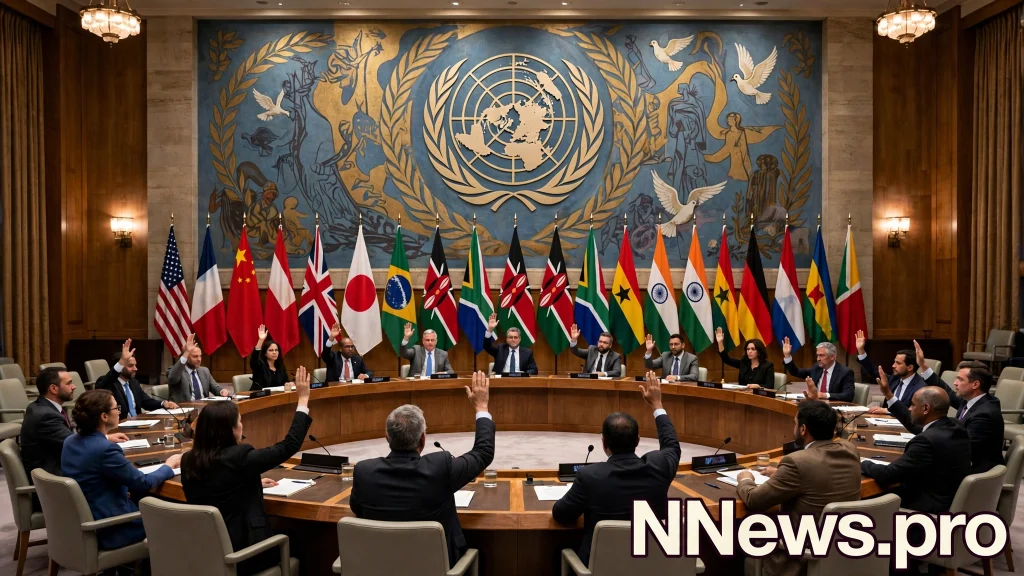
The United Nations Security Council voted unanimously on Thursday to extend its Yemen sanctions regime for another year, condemning the Houthis’ escalating attacks on Saudi Arabia and commercial shipping as the conflict’s humanitarian toll continues to deepen.
The UK-drafted Resolution 2837, adopted 15-0 at the Council’s 10,270th meeting in New York, keeps targeted asset freezes and travel bans in place until November 14, 2027, and renews the mandate of the Panel of Experts monitoring the sanctions until December 15, 2027.
What the Council decided
The resolution renews the measures first imposed under Resolution 2140 in 2014: financial asset freezes and travel bans on individuals and entities designated by the Yemen Sanctions Committee for threatening the country’s peace, security and stability.
Crucially, the Council also asked UN Secretary-General to expand the Panel of Experts from four to six members, adding dedicated maritime security expertise to track weapons smuggling by land and sea. The text calls on member states to step up information-sharing to enforce the arms embargo and to crack down on the smuggling of weapons and their components.
The resolution also looks ahead: the Council said it intends to decide by January 11, 2027, on measures covering specified dual-use components and precursor chemicals that the Houthis use to manufacture drones and missiles domestically — a provision that was absent from last year’s renewal, Resolution 2801.
Why now: attacks on Saudi Arabia
The vote came on the same day the Houthis’ military spokesman announced five drone and missile operations against Saudi Arabia, underscoring the escalation the Council was responding to. The resolution calls on the Houthis to “immediately and unconditionally” halt their military escalation and attacks, including those targeting civilians and civilian infrastructure — particularly commercial airports and international maritime transport.
The escalation comes days after Iran claimed it destroyed a US early-warning radar in Bahrain, a claim US officials have not confirmed.
The Council strongly condemned the group’s maritime and cross-border attacks against Saudi Arabia and its threats to commercial shipping, which have repeatedly disrupted traffic through the Red Sea and the Strait of Hormuz in recent weeks.
Britain’s ambassador to the UN, Sarah MacIntosh, who led negotiations on the text, said the adoption “demonstrates this Council’s determination to take decisive action against reckless attacks by the Houthis in Yemen and against the Kingdom of Saudi Arabia and the broader region.” She said the resolution “strengthens the implementation of arms embargo measures, ensuring that the Yemen sanctions regime keeps pace with the evolving threat.”
Yemen’s ambassador, Abdullah Ali Fadhel al-Saadi, welcomed the renewal but regretted that the Council did not name the Houthis a terrorist group.
The limits of the sanctions
The resolution’s own context is sobering. The Council renewed the measures while holding a report from its Panel of Experts that calls the arms embargo “totally ineffective,” concluding it has “made no significant dent in the capabilities of the Houthis,” according to the panel’s October 2025 final report. The panel also said it had received no information from any state about investigations into the weapons transfers it had detected.
Notably, the arms embargo itself was not up for renewal: imposed under Resolution 2216 in April 2015, it is open-ended and never expires. What the Council extended was the targeted financial and travel sanctions regime — and it added new language aimed at the dual-use components and chemicals feeding the Houthis’ local weapons production, though the text sets out no new interdiction mechanism for components already moving through supply chains.
Why this matters
For the United States and its allies, the vote is a rare display of Security Council unity at a moment of acute regional tension. Oil prices jumped earlier this week as Houthi attacks on Saudi sites and disruptions in the Strait of Hormuz rattled energy markets, and Washington has been pressing partners to tighten enforcement against the weapons flows sustaining the group.
Related Articles



The unanimous vote also contrasts with last year’s renewal, which passed with two permanent members abstaining. This time, all 15 members — including Russia and China — backed the text, a signal that the Council sees the Houthis’ escalation as a shared threat to shipping and regional stability rather than a partisan dispute.
The Council also used the resolution to reaffirm that the Yemen conflict cannot be resolved militarily, stressing that dialogue and reconciliation among the parties — including the Yemeni government, the Houthis, political parties, key regional powers, women, young people and civil society — remain the only viable path forward. It emphasized the importance of facilitating humanitarian access and easing the flow of commercial imports into Yemen.
What happens next
The next concrete milestone is the Council’s planned January 11, 2027 decision on the dual-use items list, which will determine whether the new language on drone and missile components gains real enforcement teeth. Until then, the expanded six-member expert panel will monitor compliance — and the test will be whether the Houthis’ attacks on Saudi Arabia and shipping lanes slow, or whether, as the panel warned, the sanctions regime keeps failing to dent the group’s capabilities.
Frequently Asked Questions
What did the UN Security Council decide on Yemen?
On November 12, 2026, the Council unanimously adopted Resolution 2837, extending targeted asset freezes and travel bans on designated individuals and entities until November 14, 2027, and renewing the Panel of Experts’ mandate until December 15, 2027.
Why did the Council extend the Yemen sanctions?
The Council acted in response to the Houthis’ escalating military campaign, including drone and missile attacks on Saudi Arabia and threats to commercial shipping in the Red Sea and the Strait of Hormuz.
What is new in Resolution 2837?
The resolution expands the monitoring Panel of Experts from four to six members, adding maritime security specialists, and adds language targeting dual-use components and precursor chemicals used in Houthi drone and missile manufacturing. A decision on specific items is due by January 11, 2027.
Did the resolution renew the arms embargo on the Houthis?
No. The arms embargo imposed under Resolution 2216 in 2015 is open-ended and was not on the agenda. The vote covered the targeted financial and travel sanctions first imposed under Resolution 2140 in 2014.
The Security Council’s unanimous vote keeps international pressure on the Houthis in place for another year — but with its own experts warning the embargo is failing, the real test will be whether the new maritime monitoring and the January decision on dual-use components can finally slow the flow of weapons into Yemen.
Sources
- Yemen Monitor — “UN Security Council Extends Yemen Sanctions, Renews Mandate of Panel of Experts, and Condemns Houthi Escalation” (November 12, 2026): https://www.yemenmonitor.com/en/Details/ArtMID/908/ArticleID/187657
- The Tower Post — “UN Renews Yemen Sanctions and Expands Maritime Monitoring” (November 13, 2026): https://tower-post.com/2026/11/13/un-yemen-sanctions-resolution-2837-maritime-monitoring-november-2026/
- Pune Media — “UN Extends Yemen Sanctions to 2027 Amid Houthi Strikes” (November 13, 2026): https://pune.media/un-extends-yemen-sanctions-to-2027-amid-houthi-strikes/
- UN Photo — Security Council meeting on the situation in the Middle East (Yemen), adoption of Resolution 2837 (November 12, 2026): https://media.un.org/photo/en/asset/oun7/oun71160724
- UK Government — Explanation of Vote by Ambassador Sarah MacIntosh following the UN Security Council vote (November 12, 2026): https://www.defconlevel.com/alert/2026-11-12-british-government-this-resolution-demonstrates-this-council-s-determination-to-take-action-against-attacks-by-the-houthis-in-yemen-uk-explanation-of-vote-at-the-un-security-council