Oil Jumps $3 as Houthi Attacks on Saudi Sites and Hormuz Disruptions Rattle Markets
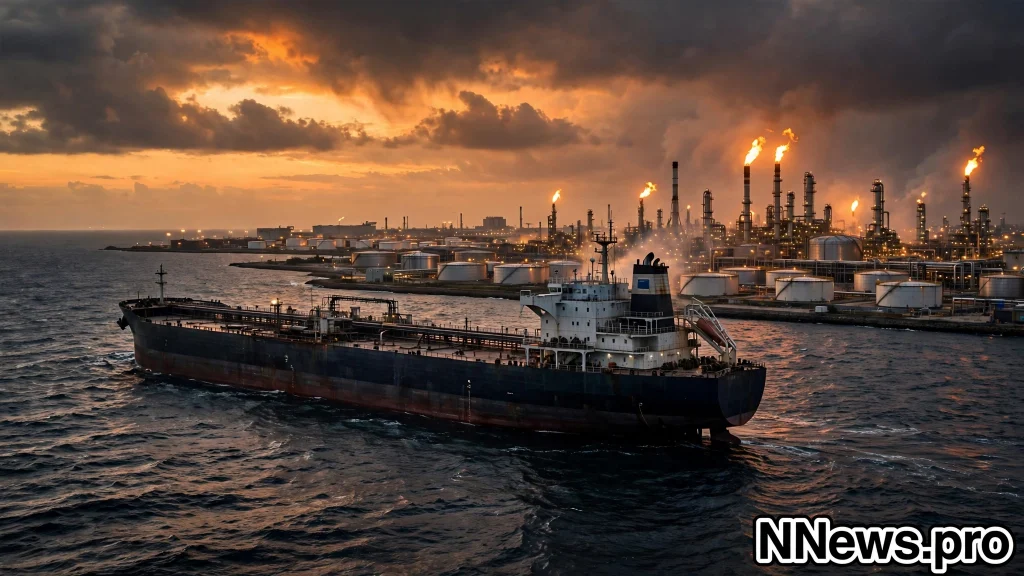
Oil prices surged by about $3 a barrel on Thursday, November 12, after Yemen’s Houthi group said it had attacked energy sites in Saudi Arabia and fresh explosions were reported on tankers in the Strait of Hormuz, reigniting fears of supply disruptions in the world’s most important oil shipping lane.
Brent crude futures settled at $95.82 a barrel, up $3.06, or 3.3 percent, while U.S. West Texas Intermediate crude closed at $88.74, up $2.21, or 2.6 percent. The rally reversed an early sell-off and pushed Brent to its highest level in weeks, as traders priced in a growing risk premium for Gulf energy supplies.
What the Houthis claimed — and what was confirmed
Yemen’s Iran-aligned Houthi group said it had attacked three targets inside Saudi Arabia in a single day: a pumping station on the Saudi East-West oil pipeline, an oil facility in the Red Sea city of Yanbu, and a Saudi Aramco building in the capital, Riyadh.
There was no immediate Saudi confirmation of damage or disruption at any of the three sites. The Saudi-led military coalition fighting the Houthis said it had intercepted and destroyed two drones launched by the group — one in the Riyadh region and another in the kingdom’s oil-rich Eastern Province.
Separately, Iran’s military said four oil tankers were hit by explosions in the Strait of Hormuz after the vessels ignored warnings and entered what Tehran considers restricted areas. Those accounts had not been independently verified.
A strait under strain
The Strait of Hormuz carries nearly one-fifth of the world’s crude oil, and attacks on shipping there have intensified in recent weeks. The International Maritime Organization has verified more than 130 attacks on vessels in the strait since late February, and Reuters has counted 37 ships attacked in October alone — a record month — with 10 more attacks recorded so far in November.
The pressure on Gulf shipping is already reshaping trade flows. Saudi Arabia’s energy ministry confirmed that an attack on the East-West pipeline in the Medina region on November 9 caused a limited fire. Aramco has been pumping about 4 million barrels a day of exports through the pipeline in recent months to replace volumes unable to exit through the Strait of Hormuz.
Earlier in the week, Abu Dhabi-listed Adnoc Logistics and Services confirmed that one of its vessels was damaged in an attack in the UAE’s territorial waters in the Arabian Gulf on November 10.
Why this matters
For American consumers, a sustained rise in crude prices usually feeds through to gasoline prices with a lag, and the move comes at a sensitive moment. U.S. crude stockpiles rose by 4.7 million barrels in the week ending November 6, according to the Energy Information Administration, a buildup that would normally weigh on prices — but the supply-risk premium from the Gulf overwhelmed the bearish inventory data on Thursday.
Related Articles



For global markets, the rally also complicates the outlook for inflation. Oil had fallen to two-month lows earlier in the week on hopes that U.S.-Iran negotiations might ease tensions, but the latest attacks pushed those hopes aside. The United Nations Security Council renewed its Yemen sanctions regime this week, tightening an arms embargo aimed at the Houthis, in a sign that diplomacy has yet to contain the threat.
Latest developments
The International Energy Agency publishes its monthly oil-market report on Friday, which traders will watch for an updated assessment of global supply and demand. The Houthis have not commented on the Saudi coalition’s claim that it intercepted the two drones, and Saudi authorities have not confirmed any damage from the claimed strikes on the pipeline, Yanbu, or the Aramco building in Riyadh.
Frequently asked questions
How much did oil prices rise?
Brent crude settled at $95.82 a barrel on Thursday, up $3.06, or 3.3 percent. U.S. West Texas Intermediate crude closed at $88.74, up $2.21, or 2.6 percent.
What did the Houthis say they attacked?
The group said it hit a pumping station on Saudi Arabia’s East-West oil pipeline, an oil facility in the Red Sea city of Yanbu, and an Aramco building in Riyadh. Saudi Arabia has not confirmed damage at any of the three sites.
Why is the Strait of Hormuz so important?
The strait carries nearly one-fifth of the world’s crude oil. More than 130 attacks on vessels there have been verified since late February, and disruptions to the route can quickly lift global oil prices.
Could this raise gasoline prices in the U.S.?
Higher crude prices typically feed through to pump prices over time, though the effect depends on how long prices stay elevated and on refining and distribution costs. U.S. crude inventories rose last week, which may cushion the impact in the short term.
What to watch next
Traders will look to Friday’s International Energy Agency report and to any Saudi confirmation of damage — or further Houthi claims — for a read on whether the latest escalation is a one-day spike or the start of a longer squeeze on Gulf supplies. For now, the market’s message is clear: the risk premium for Middle East oil is back.