Trump Says Gulf Allies Asked Him to Hold Off Iran Strikes, Claims He Could “End It” in Three Days
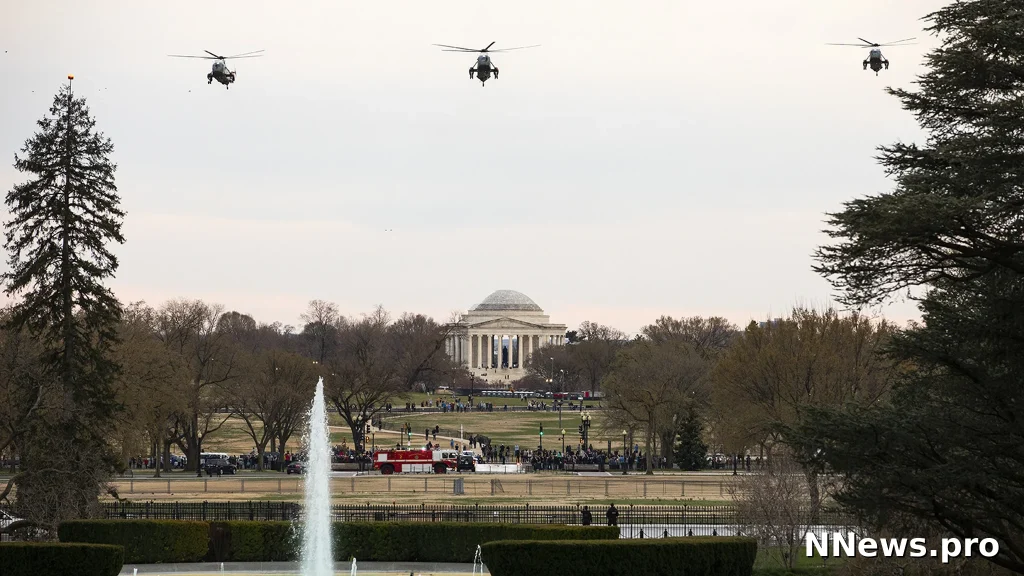
President Donald Trump said on Thursday that Saudi Arabia and four other Gulf states asked him not to resume large-scale strikes against Iran, and claimed American forces could destroy Iran’s energy infrastructure, bridges and manufacturing capacity within three days. The remarks, made in a White House interview with broadcaster Stephen A. Smith that was released on Thursday, November 12, offered Trump’s own explanation for why the bombing campaign has not resumed — and made clear he disagrees with the delay.
“Saudi Arabia has asked me to please just let it be the way it is now for a while,” Trump said. “Qatar, if you look at that. Kuwait, UAE, Bahrain. All of them would much prefer the waiting period.”
Asked whether he would already have ordered further attacks if the Gulf allies had not intervened, Trump answered: “Yes, I would.”
What Trump said in the interview
Trump said he was holding off “at the request of the nations that I’m looking to protect,” while adding that he was not convinced the restraint was the right call. “So they’ve asked me to do that and I’m doing that,” he said. “I’m not sure I agree with it, but we’ve taken them largely out.”
The president said the United States could end the war quickly if it chose to escalate. “I could end it immediately,” he said. “In one day their energy is gone. In one day their bridges are gone. And in one day their manufacturing capability is gone. It would only take me three days.”
Trump also argued that Iran’s government is buckling under the pressure of the US naval blockade and economic sanctions. “Saudi Arabia has asked me to please just let it be the way it is now for a while because they’re disintegrating,” he said, claiming Iran faces inflation of “300 percent — more than that,” has no money, and has not paid its security forces. “They haven’t paid their guard. They haven’t paid their soldiers. They haven’t paid their police.”
Trump said the governments he is “looking to protect” include Israel, describing the group broadly as “basically the Middle East.” He defended the war against criticism that it contributed to Republican losses in last week’s midterm elections, insisting that confronting Iran was a national security necessity regardless of the political consequences.
The pause, and why the Gulf states want it
Trump’s remarks came three days after he said on Monday, November 9, that the war with Iran was ‘effectively over’ and that the United States was “just keeping it the status quo.” No formal ceasefire has been announced, and the US naval blockade of Iranian ports remains in place.
The Gulf states named by Trump — Saudi Arabia, Qatar, Kuwait, the United Arab Emirates and Bahrain — all host American military personnel or facilities and sit within range of Iranian missiles and drones. That exposure helps explain their preference for restraint: a renewed bombing campaign could draw retaliation against their territory, their oil infrastructure and the US bases on their soil. Bahrain, one of the five states Trump named, hosts the US Navy’s Fifth Fleet headquarters. The Strait of Hormuz, the narrow waterway between Iran and Oman through which a large share of the world’s seaborne oil passes, has been at the center of the conflict for months, and a new round of strikes would risk a fresh spike in oil prices.
A separate warning to Tehran
In a second interview on Thursday, this one a phone call with the Salem News Channel, Trump warned Iran of severe consequences if Tehran targets American officials. Asked how Washington would respond if Iran killed a US official, such as Treasury Secretary Scott Bessent, Trump said: “They will not exist any longer.”
The warning followed reports that Bessent moved from his residence in Washington, DC, to a US military base earlier in the week after alleged threats to his life from Iran. Trump also said he would consider it a defeat if Iran’s current leadership remained in power when he leaves office, and claimed the United States has complete control of the Strait of Hormuz and is extracting more oil than before the conflict began.
The waterway remains volatile. The United Kingdom Maritime Trade Operations Centre reported on Thursday that at least two tankers had been struck by projectiles in recent days, including one vessel hit on Wednesday in the Strait of Hormuz, northwest of Ras al-Khaimah, whose crew evacuated safely. Iran’s military said on Thursday that four oil tankers were hit by explosions after they ignored Iranian warnings.
Related Articles


Why this matters
The interview is the clearest public account yet of who is restraining the American campaign — and of how thin that restraint may be. Trump has now said twice in a week that he could escalate sharply and that only the Gulf allies’ request is holding him back. That puts the five governments in an unusual position: their appeal for patience is the main thing standing between the current pause and a bombing campaign Trump says could cripple Iran’s infrastructure in days.
It also sharpens the tension inside the administration’s Iran policy. On Thursday, Trump wrote on social media that the United States “does not need a deal with Iran” and directed Vice President JD Vance to turn his attention to domestic issues, ending Vance’s role leading backchannel diplomacy with Tehran. Secretary of State Marco Rubio said on Tuesday, after talks with US allies in Paris, that Iran’s demands for a potential deal were “absurd.” Trump said on Thursday he was “not satisfied” with Iran’s latest peace proposal, which Tehran sent via Pakistani mediators, and warned he would “blast them away” if negotiations failed.
For the Gulf states, the stakes run both ways. A pause protects their territory and their oil exports. But if Iran reads the restraint as weakness — or if its Revolutionary Guards carry out new attacks on American assets in the region — Trump’s patience could run out, and the same allies who asked him to wait would face the escalation they hoped to avoid.
Latest developments
Early on Friday, November 13, Iran’s Revolutionary Guards claimed it destroyed a US early-warning radar in Bahrain in retaliation for an alleged air attack on a telecommunications tower in Sirik, on Iran’s Hormuz coast, on Thursday. The United States military and Bahrain’s government had not commented by Friday morning, and the claim has not been independently verified. The claim landed hours after Trump’s interview was released — and in Bahrain, one of the five states Trump named as asking him to hold off.
Frequently asked questions
Which countries did Trump say asked him to hold off on Iran strikes?
Trump named Saudi Arabia, Qatar, Kuwait, the United Arab Emirates and Bahrain. He said all five “would much prefer the waiting period” and that he was holding off “at the request of the nations that I’m looking to protect.”
What did Trump claim the US could do to Iran in three days?
He claimed American forces could destroy Iran’s energy infrastructure, bridges and manufacturing capacity within three days — one day for each. “In one day their energy is gone. In one day their bridges are gone. And in one day their manufacturing capability is gone,” he said.
Is there a formal ceasefire between the US and Iran?
No. Trump said on November 9 that the war was “effectively over” and that the United States was keeping “the status quo,” but no formal ceasefire has been announced. The US naval blockade of Iranian ports remains in place, and limited strikes have continued.
What happened with the US radar in Bahrain?
Iran’s Revolutionary Guards claimed on Friday, November 13, that they targeted and destroyed a US early-warning radar in Bahrain in retaliation for an alleged attack on a telecom tower in Sirik, Iran. The claim has not been independently verified, and neither Washington nor Manama had commented by Friday morning.
Trump’s interview leaves the central question of the war unanswered: how long the pause lasts. The president has said he disagrees with the delay, that he could end the war immediately, and that only the Gulf allies’ request is holding him back. Whether that restraint survives the latest claims from Tehran — and the pressure from within his own administration to escalate — will determine whether the pause becomes a settlement or merely a break between rounds.
Sources: Al Jazeera (via Shafaqna); Press TV; Matzav; Reporter World News; BusinessWorld (Reuters wire). Related coverage: Trump says Iran war “effectively over” (https://nnews.pro/trump-says-iran-war-effectively-over/); Iran claims US radar strike in Bahrain (https://nnews.pro/iran-claims-strike-us-radar-bahrain/); Trump pulls Vance off Iran talks (https://nnews.pro/trump-pulls-vance-off-iran-talks-no-deal-needed/).