Nebius Plans $40 Billion AI Buildout for 2027 as Shares Slide 17% on Data-Center Delays
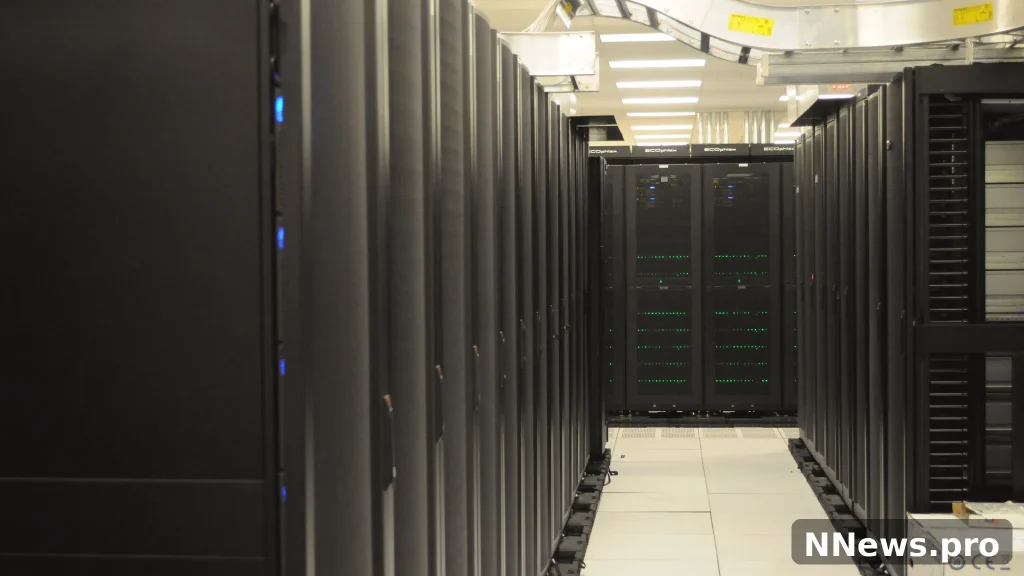
Nebius Group plans to spend $40 billion to $45 billion building AI data centers in 2027, far more than Wall Street expected, but its shares fell about 17 percent on Thursday after the Amsterdam-based cloud provider also cut its 2026 revenue outlook and disclosed months-long delays at a key Microsoft site in New Jersey.
The plan, laid out on the company’s third-quarter earnings call on Thursday, November 12, would nearly double the roughly $27 billion Nebius now expects to spend on capital projects in 2026. It is the latest sign of how aggressively the so-called neocloud companies — specialist AI infrastructure providers — are racing to add computing capacity, and how closely investors are now watching whether that capacity actually arrives on time.
A spending plan far above Wall Street forecasts
Nebius guided 2027 capital expenditure to between $40 billion and $45 billion, against a FactSet consensus estimate of about $28.8 billion cited in market coverage of the results. The company also raised its 2026 capital spending forecast to about $27 billion, up from a previous range of $20 billion to $25 billion.
The scale of the plan reflects surging demand for AI computing power. Nebius reported third-quarter revenue of $981 million, up 571 percent from a year earlier, although about a third of that total came from a one-time payment tied to a new partnership model, according to reporting on the results. Customers have committed more than $12 billion of contract value since the start of the third quarter, and the company’s total contracted backlog now exceeds $40 billion.
For 2027, Nebius forecast revenue of $12 billion to $13 billion and said it expects to break even on a pre-tax basis by the fourth quarter of next year. The company ended the quarter with $7.4 billion in cash.
Customers are paying for the buildout in advance
The most unusual part of the plan is how Nebius intends to pay for it. Rather than relying mainly on debt or equity, the company expects customer prepayments plus asset-backed financing tied to investment-grade contracts to cover 75 to 85 percent of the 2027 spending.
Chief Financial Officer Maria Del Dado Alonso Sanchez named the Microsoft and Meta agreements as the kind of contracts that can be financed this way. Chief Revenue Officer Marc Boroditsky said both deals came with significant prepayments that arrived long before delivery, and that new deals signed in the third quarter carried prepayments more than covering the cost of the capacity behind them — up from 50 to 60 percent in the second quarter.
Nebius said it expects $10 billion in committed customer prepayments in 2026, rising to between $17 billion and $20 billion in 2027. Boroditsky added that the company could tap prepayments to meet any additional cash needs. The company also said the payback period on its investments has shortened to about one year and seven months, from one year and 10 months in the second quarter.
The model effectively uses the future value of its data centers to finance their construction. That works smoothly when projects are delivered on schedule — and becomes a test of credibility when they are not.
The Microsoft site in New Jersey is months behind
That test is already underway in Vineland, New Jersey, where Microsoft is buying AI computing capacity under a contract worth up to $19.4 billion. The site is operated by third-party provider DataOne, and it is now months behind schedule.
Only slightly more than half of the Microsoft capacity is now slated for delivery by the end of this year, with the remainder pushed to the second quarter of 2027. The original tranches were meant to be deployed in 2025 and 2026, so the revised date falls well outside the contractual window.
Nebius’s own summary of the contract states that Microsoft may terminate affected service after a grace period if dates are missed and no alternative capacity is offered, and that late delivery carries financial penalties. Nebius said Microsoft has been involved in the planning process but did not say whether it has accepted the new timetable. Microsoft has not publicly cancelled anything.
The delay stems from the site operator winding down temporary gas generators faster than expected and switching to Bloom Energy fuel cells, a move that triggered a $1.1 million fine for operating unpermitted generators, according to reporting on the project.
Nebius said the problems sit at facilities it does not operate. The data centers it builds itself, it says, are arriving on time or ahead of schedule, and those will supply the majority of its new capacity from 2027. The company is targeting 5 gigawatts of contracted power capacity by the end of 2026, with more than 1 gigawatt of new capacity planned for 2027.
Related Articles



Why this matters
Nebius is a small company attempting one of the largest infrastructure buildouts in the AI industry. A $40 billion to $45 billion capital program is roughly three times its forecast 2027 revenue, and its success depends on two things going right at once: customers must keep paying in advance, and the data centers must be delivered on the dates promised.
Thursday’s market reaction shows investors are not yet convinced on the second point. Shares fell about 17 percent, a sharper drop than other AI infrastructure names on the same day, even though the company beat expectations on revenue. The 2026 revenue guidance cut — down $200 million to $3 billion, at the lower end of its previous $3 billion to $3.4 billion range — added to the doubts, since Nebius blamed the same third-party delays.
The stakes extend beyond one company. Microsoft is Nebius’s largest customer, and the Vineland contract is one of the biggest single deals in the neocloud sector. If delivery slips further, or if Microsoft exercises its right to walk away from delayed capacity, it would raise questions about the financing model that the whole sector is increasingly using: build now, pay later — with customers’ money.
The same week has underlined how fast the AI infrastructure race is moving. SpaceX’s $74 billion AI campus plan in Texas and Arizona and the strong demand for Anthropic’s IPO show capital is still pouring into AI capacity. Nebius’s challenge is different: proving it can spend at that scale without the execution problems that have already cost it a fifth of its market value in a single day.
Latest developments
Nebius said on the call that its self-built facilities will supply most of its new capacity from 2027, which would reduce its dependence on third-party operators like DataOne. The company also said prepayments on deals signed in the third quarter covered more than 100 percent of the related capital spending, and that more than 90 percent of the contract value signed in the quarter carried a prepayment.
Investors will get their next check on the story in February 2027, when Nebius reports fourth-quarter results and updates whether the Vineland capacity was delivered by year-end as now promised.
Frequently Asked Questions
Q: What is Nebius?
A: Nebius Group is an Amsterdam-based AI cloud infrastructure company, listed on Nasdaq under the ticker NBIS. It belongs to the “neocloud” sector — specialist providers that build large data centers and sell computing capacity to AI developers and other high-performance workloads.
Q: How will Nebius pay for $40 billion of spending in 2027?
A: The company expects customer prepayments and asset-backed loans secured by investment-grade customer contracts to cover 75 to 85 percent of the cost. The remainder would come from its $7.4 billion cash balance and additional borrowing if needed.
Q: Why did Nebius shares fall 17 percent?
A: Investors reacted to a combination of factors: the 2027 spending plan was far larger than Wall Street expected, the company cut its 2026 revenue guidance to $3 billion, and it disclosed months-long delays at a New Jersey data center where Microsoft is buying capacity under a contract worth up to $19.4 billion.
Q: Could Microsoft cancel its Nebius contract?
A: Nebius’s own contract summary says Microsoft may terminate affected service after a grace period if delivery dates are missed and no alternative capacity is offered. Microsoft has not publicly cancelled anything, and Nebius says Microsoft has been involved in the planning process.
Nebius has laid out one of the boldest spending plans in the AI infrastructure boom — and the market’s verdict, at least for now, is that the company must first prove it can deliver what it has already promised.