Trump Pulls Vance Off Iran Talks, Says U.S. ‘Does Not Need a Deal’
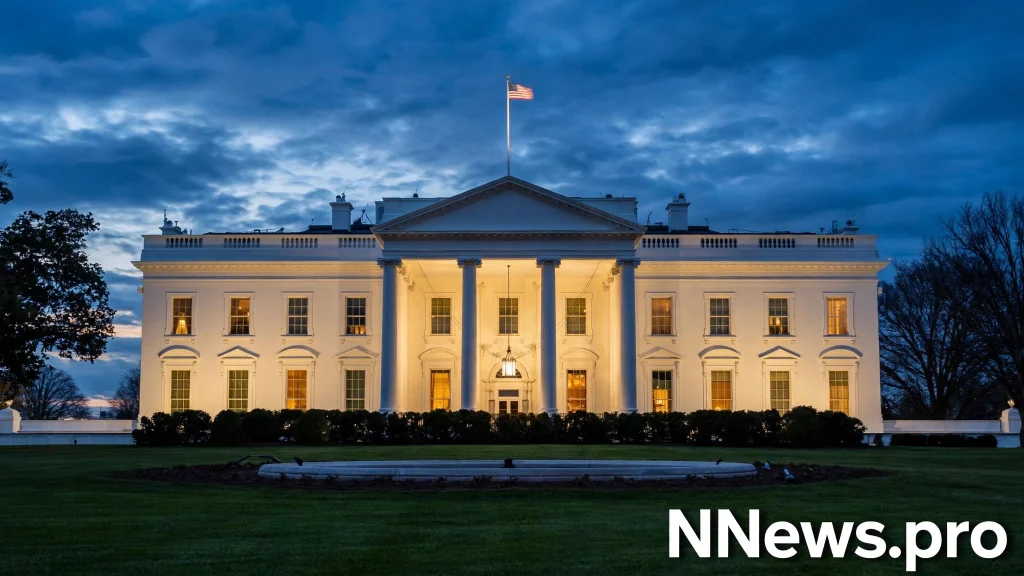
President Donald Trump said on Thursday that the United States does not need a deal with Iran and directed Vice President JD Vance — who had been leading efforts to restart negotiations to end the eight-month war — to turn his full attention to alleged crime and corruption in Democratic-run cities and states instead.
“We don’t need a deal with Iran. Those days have long since passed. We’ve got their money, Hundreds of Billions of Dollars, and we’ve got their Strait!” Trump wrote in a Truth Social post on Thursday morning, referring to the Strait of Hormuz, the shipping route at the center of the conflict.
“I have asked Vice President Vance to focus his complete and total attention on the Massive Corruption and Crime taking place in Democrat run Cities and States throughout the U.S.,” Trump added, naming Minnesota, California and Illinois as examples.
A Sharp Reversal for the Diplomatic Track
The directive came just one day after The Wall Street Journal reported that Vance is considering face-to-face talks with Mohsen Rezaei, the hard-line secretary of Iran’s Supreme National Security Council, as part of a fresh push to end the war. Vance sent Rezaei a letter in October requesting a meeting, delivered through Qatari mediators, and Doha has been discussed as a possible venue. No meeting has been scheduled, and no new talks are now planned.
Vance had been leading the administration’s backchannel diplomacy with Tehran, and Trump had empowered him to lead a renewed push, according to U.S. and Middle Eastern officials cited by the Journal. The president’s post abruptly reverses that course — and cuts across his own recent signals. On November 2, Trump said a settlement could be imminent and that Iran wanted an agreement. On Monday, after meeting Qatar’s prime minister, he said the war with Iran was ‘effectively over’.
The shift also lands nine days after the midterm elections, in which Democrats won control of both chambers of Congress. Vance has publicly blamed the war for the Republican losses, writing on November 4 that “the reason we lost is the war.”
Tehran Responds as the Blockade Stays in Place
Iranian President Masoud Pezeshkian, speaking on the sidelines of the COP31 climate summit in Antalya on Thursday, pushed back. “The United States sought to bring our country and our people to their knees, but gradually, they themselves are being brought to their knees,” he said. Tehran has said it is still waiting for Washington’s answer to its seven conditions for talks, which include lifting the naval blockade, releasing frozen assets and easing oil sanctions.
Secretary of State Marco Rubio told his G7 counterparts in Paris on Tuesday that Trump had considered resuming the war or cutting a deal but had instead settled on strangling the Iranian regime, according to Axios. Rubio had earlier called Iran’s demands “absurd.”
A White House official said on Thursday that the United States remains in a “very strong position” in the standoff, citing the naval blockade and control of the Strait of Hormuz. The U.S. naval blockade of Iranian ports continues, and American forces remain “locked and loaded,” Trump said on Monday.
Markets reacted quickly to the mixed signals. European natural gas prices rose as much as 5.2 percent on Thursday after Trump’s remark, a sign that traders see a longer road to any reopening of the Strait.
Background: A War Paused, Not Settled
The conflict began on February 28, when U.S. and Israeli strikes hit Iran. A ceasefire followed in April, and a memorandum of understanding was reached in June with Vance’s participation — but it never produced a final settlement, and the ceasefire collapsed in early July.
Trump has privately criticized the June memorandum, saying it gave Iran time to regroup before the United States imposed a blockade. A White House official rejected suggestions that Trump had second thoughts, saying the negotiators had acted in good faith.
Related Articles

Why This Matters
The president’s post leaves the diplomatic track in limbo. Trump did not formally announce an end to the mediated talks, and the White House has not said what the instruction means for Vance’s role on Iran. But by publicly removing his lead negotiator from the file, Trump has signaled that pressure — the blockade, frozen funds and control of the Strait — is now his preferred path, not a negotiated settlement.
For Vance, the move is a political gamble in reverse. The Journal described the diplomatic effort as high stakes for the vice president: a successful deal could have raised his standing, while a failed attempt could have left him tied to a breakdown. Now he is tied instead to a domestic campaign against corruption in states run by Democrats — a fight Trump framed in the same post as a way to balance the budget.
For Iran, the message is that Washington is in no hurry. With no meeting scheduled and no answer yet to Tehran’s conditions, the war’s uneasy pause looks set to continue.
Latest Developments
- Trump posted on Truth Social early Thursday, November 12, that the U.S. does not need a deal with Iran and redirected Vance to domestic issues.
- No meeting between Vance and Rezaei is scheduled, and no new talks are planned, according to reporting on Thursday.
- Pezeshkian responded at COP31 in Antalya on Thursday, saying the U.S. is being “brought to its knees.”
- The U.S. naval blockade of Iranian ports remains in force.
Frequently Asked Questions
Did Trump formally end the Iran talks?
No. Trump said the U.S. does not need a deal and told Vance to focus elsewhere, but he did not announce a formal end to the mediated talks, and the White House has not clarified whether Vance keeps any role on Iran.
Who is Mohsen Rezaei?
Rezaei is the secretary of Iran’s Supreme National Security Council and a former commander of the Islamic Revolutionary Guard Corps. Vance had been weighing a face-to-face meeting with him to discuss ending the war.
What happens to the blockade of Iran?
It remains in force. The White House said on Thursday that the United States is in a “very strong position,” citing the naval blockade and control of the Strait of Hormuz.
Why did Trump redirect Vance?
Trump said he wants Vance to focus his “complete and total attention” on alleged corruption and crime in Democratic-run cities and states, naming Minnesota, California and Illinois. Vance has also blamed the war with Iran for Republican losses in the November 3 midterm elections.
Trump’s post closes — for now — the most active diplomatic opening in the eight-month war. Whether the pressure strategy produces a settlement, or another round of fighting, will depend on what happens next at the Strait, in Tehran and in Washington.
Sources
- CNBC — “Trump says ‘we don’t need a deal with Iran’” (Kevin Breuninger, November 12, 2026): https://www.forexfactory.com/news/1436013-trump-says-we-dont-need-a-deal-with/amp
- Reuters — “Trump says Vance should focus on domestic corruption, ‘we don’t need a deal with Iran’” (via Investing.com)
- The New York Times — Trump pulls Vice President JD Vance back from engaging in potential peace talks with Iran (via NewsCord): https://newscord.org/article/trump-orders-jd-vance-off-iran-talks-says-we-dont-need-a-deal–Story_20261112_Trumpsayswedontneeda7ca9b25f
- The Wall Street Journal — Vance weighing direct talks with Mohsen Rezaei (via NationWire): https://nationwire.us/trump-pulls-vance-iran-talks-no-deal-needed/
- Axios — Secretary of State Marco Rubio’s briefing to G7 counterparts in Paris (via NewsCord)