South Sudan Delays Its First-Ever Elections Again, to February 11, 2027
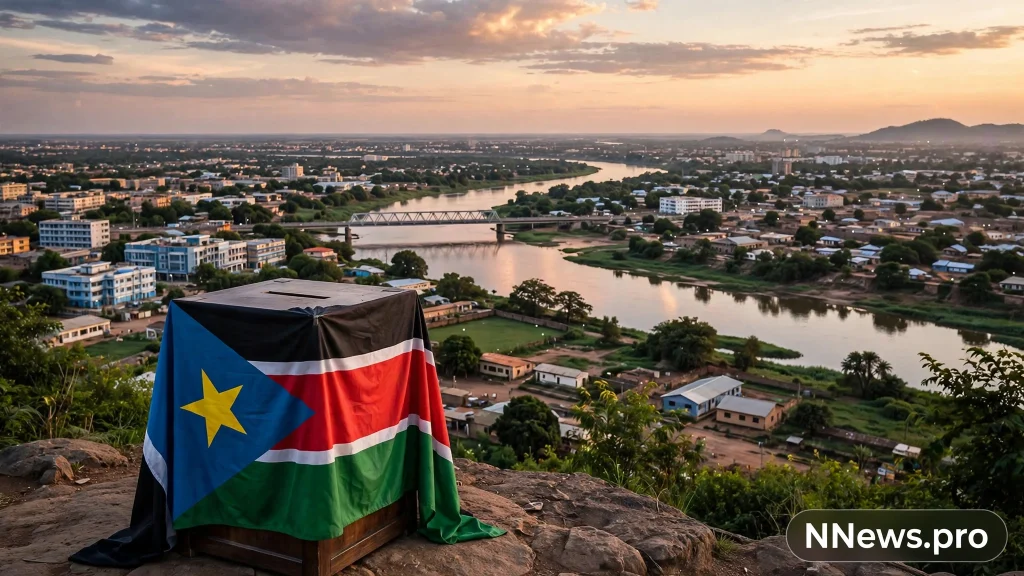
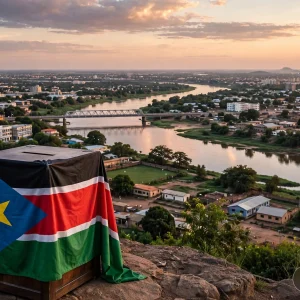
South Sudan has postponed its first presidential and parliamentary elections since independence, moving the vote from December 22, 2026, to February 11, 2027, the country’s National Elections Commission announced on Saturday, November 14. The 51-day delay is the latest setback for a vote first promised for 2022, in a country that has never held a general election since becoming independent in July 2011.
A new date, but no reason given
The commission published a revised electoral calendar on Saturday, setting Thursday, February 11, 2027, as the new polling day. It gave no specific reason for the change. In a statement, the commission said the postponement was intended to provide additional time for the preparations the elections require.
Commission spokesperson Josephine Achiro Fortelo confirmed the new date to Reuters on Saturday. “This is the timeline we have come up with after a thorough consultation with the stakeholders,” she said.
Under the revised timetable, voter registration opens on Saturday, November 14, and runs until November 28. Commission chairman Gabriel Bol Deng said 3,161 registration centres had been set up across the country and more than 22,000 staff hired for the operation. The provisional voter register is due to be published on November 29.
Campaigning is scheduled to run for 45 days, from December 27 to February 9, followed by a day of silence on February 10 before polling. Counting and the announcement of results at polling centres are set for February 11 and 12, with final results expected on February 15 and published the following day. The calendar allows electoral disputes to be resolved through July 15.
A vote delayed again and again
The postponement is the latest in a series of delays that have pushed South Sudan’s first elections further and further back. The vote was first promised for 2022 and has now been delayed at least three times, as the country has struggled with political divisions, insecurity and slow implementation of the 2018 revitalised peace agreement that ended its civil war.
South Sudan became independent from Sudan in July 2011 and is the world’s youngest nation. In the 15 years since, it has been governed by transitional arrangements, with President Salva Kiir in office throughout. The current transitional period is due to end on February 22, 2027 — just 11 days after the new polling date.
International bodies have been pressing for the transition to end on schedule. In August, the African Union’s Peace and Security Council called for the transition to finish in February without further extensions. In September, the United Nations Commission on Human Rights in South Sudan said the country lacked the safeguards and conditions needed for peaceful and credible elections, and United Nations officials have warned in recent days that South Sudan was not adequately prepared to hold the vote in December.
Why this matters
For South Sudanese voters, the delay means another two months of waiting for a first chance to choose their leaders at the ballot box. For the region, it raises a familiar question: whether a vote held under a compressed timetable, with registration only just beginning, can be free, fair and credible — or whether another postponement will follow.
The timing is tight. The new polling date sits just 11 days before the transitional period expires, leaving little room for further slippage without a fresh political agreement. A rushed or badly managed process could deepen the divisions that have already fuelled ethnic violence and political tension, while a further delay would extend unelected rule and test the patience of international partners.
Related Articles

The delay comes as the region faces other crises, including the Ebola outbreak in the Democratic Republic of Congo, which has passed 11,000 cases. In the United States, voters have also been watching tight races, including the Mississippi Senate race and Alaska’s Senate race, where counting has stretched on for days after Election Day.
Latest developments
Voter registration began on Saturday under the revised calendar, with the commission saying centres are open across South Sudan’s 10 states and three administrative areas. The commission published the updated timetable on its official Facebook page, and its chairman announced the start of registration in a public notice on November 13.
No new date has been set for the end of the transitional period, and the commission has not said what would happen if the February vote slips again. The coming weeks will show whether registration reaches voters in remote and insecure areas — the first real test of whether the new date can hold.
Frequently asked questions
When will South Sudan’s elections now take place?
Polling is scheduled for Thursday, February 11, 2027. Campaigning runs from December 27 to February 9, with a day of silence on February 10. Final results are expected on February 15.
Why were the elections postponed?
The National Elections Commission gave no specific reason, saying only that the delay would provide additional time for necessary preparations. The vote had been scheduled for December 22, 2026.
Has South Sudan ever held a general election?
No. South Sudan has never held presidential and parliamentary elections since gaining independence from Sudan in July 2011. The vote was first promised for 2022 and has been delayed at least three times.
What happens if the February date slips again?
The transitional period is due to end on February 22, 2027, just 11 days after polling. Any further delay would require a new political agreement, and the African Union has already said the transition should end in February without further extensions.
South Sudan’s first elections are now set for February 11, 2027 — a date that arrives more than four years after the vote was first promised. Whether the country can register its voters, run a credible campaign and count the ballots in the time left will decide whether the world’s youngest nation finally gets to vote, or whether the wait stretches on once more.
Sources: Reuters; Al Jazeera; The Hindu; The Insight International; The Sudan Times.