Trump Tells Advisers He May Hold Off on Iran Attacks Barring New Provocations, Sources Say
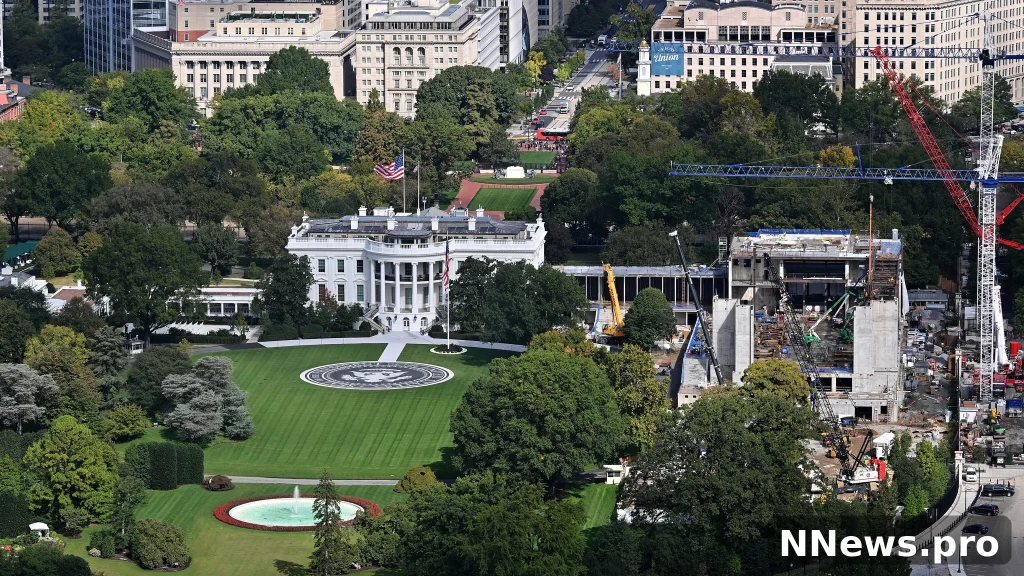
President Donald Trump has told senior advisers that he may hold off on attacking Iran if the United States faces no new provocations from Tehran or the Iran-backed Houthis in Yemen, according to three people familiar with the matter cited by Reuters.
The report describes a president torn between threats of fresh strikes and signals he wants to wind the conflict down — and who, officials say, has not settled on how to end the war he launched with Israel in February.
In meetings with his national security advisers and after intelligence briefings, Trump said he was considering holding off on strikes, the sources said, speaking on condition of anonymity.
A president pulled in two directions
Trump’s private comments build on public remarks in which he has played down the likelihood of major warfare resuming. On Thursday, he told sports broadcaster Stephen A. Smith: “I could end it immediately, but at the request of the nations that I am looking to protect, we are doing it a little bit longer way, a bit more civilly.”
In phone calls over the past two weeks, Trump sought the views of Saudi Crown Prince Mohammed bin Salman and Turkish President Tayyip Erdogan, and both men urged him not to resume attacks on Iran, according to a senior US official and another person familiar with the matter. The sources said Trump made no commitment either way.
One call carried particular weight. On October 31, Trump told bin Salman that he was planning to attack after the midterm elections, but the crown prince pleaded with him to hold off, arguing that economic sanctions against Iran were working, according to two more people familiar with the discussion.
Trump has spoken with Erdogan three times since October 28, according to Turkey’s presidency; their November 7 call stressed that tensions need to end.
What the intelligence briefings say
US intelligence agencies assess the naval blockade and sanctions are hurting Iran’s economy and will keep pressuring Tehran, two US officials briefed on the intelligence said — an assessment that underpins the case for restraint: pressure without new bombing.
The same briefings warned that US weapon stockpiles have drawn down to worrying levels, the two people familiar with them said. Reuters reported in August that the United States had used “virtually all” of its long-range precision munitions, and another person briefed on the matter said they have not been replenished. Intelligence officials also assessed that renewed strikes would not significantly shift Iran’s demands in negotiations, two US officials said.
The White House pushed back on any suggestion of weakness: “The US military has enough munitions and ammo to serve all of the commander-in-chief’s strategic goals and beyond,” an official said.
“As commander-in-chief, President Trump is the architect and sole decision-maker who holds all the cards and will always ensure that America’s interests are protected,” the official added. “The US is in a very strong position with control of the Strait of Hormuz and the Iranian economy collapsing. Only President Trump knows what he will do, and when.”
Military options remain on the table
Even as Trump weighs restraint, the US military is ready to escalate if needed, three more people familiar with US planning told Reuters. A third aircraft carrier is moving into the Middle East in the coming days to replace one of the two now operating there, though all three could stay if needed.
Trump could also opt to bomb Iran’s underground nuclear facilities, one person familiar with the calls said — though the United States has already struck those facilities, and it is unclear whether further strikes would succeed.
Israeli officials have continued to lobby the administration for another military campaign, according to a US official.
Trump signalled this week that the United States has already achieved what it could from negotiations, writing on Thursday: “We don’t need a deal with Iran. We’ve got their money, hundreds of billions of dollars, and we’ve got their Strait!”
The Washington Post, citing an American official, reported separately that Trump does not want to resume military operations against Iran for now, while keeping up economic and military pressure. According to that report, the administration has settled on an approach of no renewed war, no negotiations and no lasting peace as the conflict enters its eighth month.
Related Articles



Why this matters
The war has pushed up global fuel prices and proved unpopular with American voters, who handed control of Congress to the Democrats in last week’s midterm elections. In a Reuters/Ipsos poll taken shortly before the November 3 elections, 55 percent of Americans said the war was not worth the cost, and Vice President JD Vance cited it as the reason Trump’s Republicans lost Congress.
The president’s shifting tone has left allies and adversaries alike unsure of what comes next. On Monday, after meeting Qatar’s prime minister at the White House, Trump said it was highly unlikely he would need to order new major strikes, declaring the war “militarily is effectively over.” By Thursday, he was again questioning whether he needed to rush to an endgame — saying the US no longer needs a deal with Tehran and directing Vance, his former chief negotiator in the Iran talks, to focus on the administration’s domestic anti-fraud campaign.
Trump also warned Iran that the US military is “locked and loaded” and watching Pickaxe Mountain, a nuclear-linked facility. “If something does not work out, I would not hesitate” to act, he told broadcaster Hugh Hewitt on Thursday.
Secretary of State Marco Rubio has rejected the idea of a stalemate, arguing Washington’s economic campaign is having a significant impact and has reduced the need for major military operations. Rubio said earlier this week that no further US military action is needed against Iran as economic pressure bites.
Latest developments
The ambiguity is expected to loom over Trump’s Asia trip next week — a visit to the Philippines and the Asia-Pacific Economic Cooperation meetings in Shenzhen, where he is scheduled to hold an unprecedented three-way summit with China’s Xi Jinping and Russia’s Vladimir Putin. Iran and the three powers’ nuclear stockpiles are expected to be discussed. The White House announced the trilateral meeting earlier this week.
Chief mediator Qatar continues to seek an interim agreement to restore traffic through the Strait of Hormuz, a vital route for oil and natural gas from the Persian Gulf, while leaving open options for further US-Iran discussions. Gulf allies had already pressed Trump to hold off on strikes earlier this week.
Frequently Asked Questions
Has Trump decided not to attack Iran?
No. Reuters reports Trump told advisers he may hold off if there are no new provocations from Iran or the Houthis, but officials say he has not made up his mind. The White House stressed that only the president knows what he will do, and when.
What would trigger new US strikes on Iran?
Trump has said he may act if Tehran or the Houthis provoke the United States. He warned Thursday the US military is “locked and loaded”: “If something does not work out, I would not hesitate” to act.
Why are US allies urging Trump not to resume attacks?
Saudi Crown Prince Mohammed bin Salman and Turkish President Tayyip Erdogan both urged Trump not to resume attacks in recent calls. Bin Salman argued sanctions were working, and US intelligence assesses the blockade and sanctions are hurting Iran’s economy.
The coming days will test whether restraint holds: the third carrier’s arrival, the Asia trip and the Shenzhen summit, and any move by Iran or the Houthis.
Sources: Reuters | Associated Press | The Washington Post | Reuters (original) | The Washington Post (original)