Houthis Take Control of Bab el-Mandeb Strait as Yemeni Forces Pull Back to Defend Aden
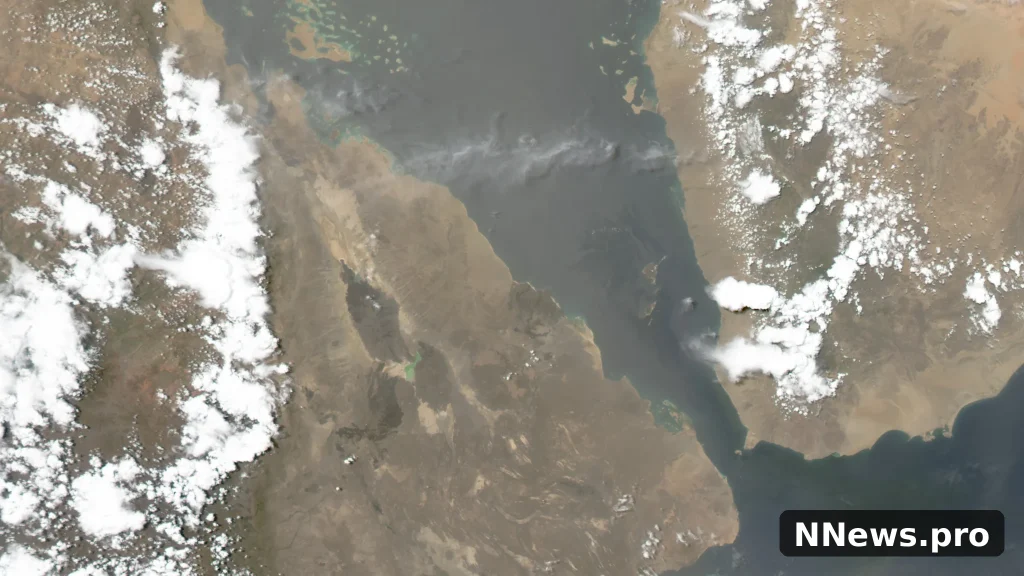
Yemeni forces fighting for the country’s internationally recognized government announced on Sunday that they were withdrawing from the area overlooking the Bab el-Mandeb Strait, leaving the Iran-aligned Houthi movement in control of one of the world’s most important shipping chokepoints.
The Southern Armed Forces, the main military force fighting for Yemen’s government in the south, said their troops were redeploying from Dhubab Airport and the Bab el-Mandeb area, west of Taiz Governorate, toward Aden, the port city where the government has been based since 2015. The move hands the Houthis greater leverage over the narrow passage between the Red Sea and the Gulf of Aden, through which a large share of Asia-to-Europe trade passes on its way to the Suez Canal.
A retreat after a six-week counteroffensive
The withdrawal effectively ends a six-week government counteroffensive launched in October to reclaim the coast near the mouth of the Red Sea. The Houthis had seized the area in September in a lightning advance that squeezed oil exports and pushed to within reach of the strait.
“The Southern Armed Forces announce the implementation of a redeployment operation for its forces from Dhubab Airport and the Bab el Mandeb area, west of Taiz Governorate,” the forces said in a statement. “This step is taken based on the priority of securing the capital, Aden, and the neighbouring governorates, as well as strengthening the front lines and addressing existing threats.”
The statement said the redeployment would also support efforts to break the Houthi siege of Taiz city, Yemen’s third-biggest city, and insisted the withdrawal did not mean the forces were abandoning the fight against the Houthis.
Yemeni military sources said that around Bab el-Mandeb, government forces had redeployed to al-Suqyah, just south of Dhubab and about 150 kilometres (95 miles) west of Aden, but were still trying to push the Houthis from coastal areas nearby. The situation on the ground remains fluid, and no independent confirmation of the Houthis’ presence at the strait itself has been published.
Two very different accounts of the pullback
The Houthis offered a sharply different explanation for the withdrawal. An unnamed military source quoted by Houthi-run media said government forces had lost their positions and rear supply lines after being cornered and had been forced to pull back toward Aden, describing the redeployment explanation as a sign of panic.
The government’s armed forces called on the international community to help free the strait from the Houthis. Their spokesman, Colonel Majid al-Nuzayli, said liberating the strait and the western coast remained their right.
There was no immediate response from the Houthis, or from Saudi Arabia, the Yemeni government’s main international ally, according to Reuters.
The retreat comes a day after three Yemeni military officials said government troops had begun fortifying positions west and north of Aden after the Houthis took strategic high ground in Lahj governorate overlooking the city. Sunday’s announcement raises the prospect of new Houthi advances toward Aden and underscores the predicament faced by Saudi Arabia in trying to stop the Houthis’ drone and missile attacks on the kingdom.
Why the strait matters
The Bab el-Mandeb Strait is one of the world’s busiest routes for seaborne commodity and goods shipments, particularly from Asia to Europe via Egypt’s Suez Canal. It separates Yemen from Djibouti and Eritrea and lies just north of Djibouti’s ports, which handle most of Ethiopia’s foreign trade.
The pullback could give the Houthis greater leverage over the strait at a moment when traffic through the Strait of Hormuz, on the other side of the Arabian Peninsula, is also disrupted. U.S. intelligence estimates Iran still holds up to 2,500 missiles despite months of strikes, and three oil tankers struck mines near the Strait of Hormuz and caught fire in recent days.
Between November 2023 and mid-2025, the Houthis attacked more than 100 commercial vessels in the Red Sea. In recent months they have also struck Saudi ports, airports and facilities of the state oil company, Saudi Aramco, including the Red Sea export hub of Yanbu. Oil prices jumped earlier this month after Houthi attacks on Saudi sites and disruptions in the Strait of Hormuz rattled energy markets.
Related Articles


No closure of the strait has been announced, and vessels are still passing through it. But the withdrawal hands the Houthis a potent pressure point over global shipping, and any sustained threat to traffic through Bab el-Mandeb would force many vessels onto the far longer route around Africa, raising freight costs and delivery times for goods bound for Europe and the United States.
A war that has already displaced hundreds of thousands
The fighting along Yemen’s western coast has broken a United Nations-brokered truce from 2022. The Houthis, who control much of northern Yemen including the capital, Sanaa, and the country’s most populous areas, have besieged government forces in Taiz, in the mountains above the approach to Aden.
The International Organization for Migration has recorded 334,181 people displaced since the escalation began in June, according to its latest tracking update. As of November 10, Taiz hosted 141,096 of them, Lahj 84,714 and Aden 66,792. When the Houthis first reached the strait in September, the IOM said more than 2,000 people had crossed from Yemen to Djibouti in 24 hours, many arriving at Obock, about 20 kilometres from the Yemeni coast.
The international community has struggled to contain the conflict. Earlier this month, the UN Security Council extended Yemen sanctions into 2027 as Houthi attacks on Saudi Arabia escalated, but the fighting on the ground has continued to move in the Houthis’ favour.
What happens next
The immediate questions are whether the Houthis will try to advance on Aden itself, whether Saudi Arabia will step up its military support for the government, and whether shipping through the strait will face new restrictions or attacks in the coming days.
For now, the Southern Armed Forces say protecting Aden and Yemen’s southern governorates remains the priority, and that the redeployment was aimed at securing the capital and strengthening front lines. They have not said when the redeployment will be complete, how many troops were involved, or whether all units stationed in the Bab el-Mandeb sector have withdrawn.
What is clear is that the balance of power on Yemen’s Red Sea coast has shifted again — and that one of the world’s most important shipping lanes is now overlooked by a movement that has repeatedly shown its willingness to use that position as leverage.
Frequently Asked Questions
What is the Bab el-Mandeb Strait?
The Bab el-Mandeb Strait is the narrow passage between Yemen and the Horn of Africa that connects the Red Sea with the Gulf of Aden and the Arabian Sea. It is a key part of the shipping route from Asia to Europe through Egypt’s Suez Canal, and one of the world’s busiest routes for seaborne goods and commodities.
Who are the Houthis?
The Houthis are an Iran-aligned movement that controls much of northern Yemen, including the capital, Sanaa, and the country’s most populous areas. They have been fighting Yemen’s internationally recognized, Saudi-backed government since seizing the capital in 2014, and have attacked more than 100 commercial vessels in the Red Sea since November 2023.
Have ships stopped passing through the strait?
No. No closure of the strait has been announced, and vessels are still passing through it. The concern is that Houthi control of the overlooking coastline gives the movement greater leverage over the route, and could lead to new restrictions or attacks on shipping.
Why did Yemeni government forces withdraw?
The Southern Armed Forces said the move was a redeployment to secure Aden, the seat of the internationally recognized government, strengthen front lines and help break the Houthi siege of Taiz city. The Houthis gave a different account, saying government forces had lost their positions and rear supply lines after being cornered and were forced to pull back.
Sources
Reuters (Mohammed Ghobari, November 15, 2026); Abay Times; Crisis.Zone; Profile News; International Organization for Migration; U.S. Energy Information Administration.