Iran Says Three Tankers Hit Mines in Strait of Hormuz and Caught Fire
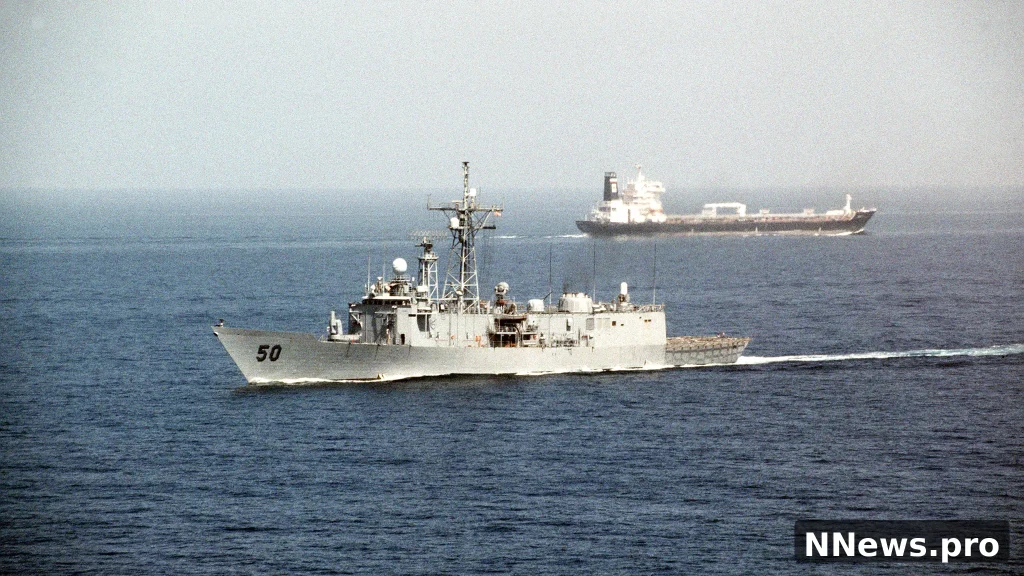
Iran’s navy and the Islamic Revolutionary Guard Corps said on Saturday that fires broke out on three oil tankers that struck naval mines in the Strait of Hormuz, the narrow waterway through which roughly a fifth of the world’s traded oil passes.
The reports, carried by Iranian state media and the Reuters and Agence France-Presse news agencies, described two separate incidents on Saturday. Iranian authorities did not name the vessels, disclose their flags or owners, or report any casualties. The claims could not be independently verified, and no independent confirmation of the mine strikes was available on Saturday morning.
Two tankers reported hit in the southern strait
The Revolutionary Guards’ navy said two oil tankers exploded and caught fire after striking a naval mine in the southern part of the strait. The statement, carried by Iranian state television early on Saturday, said the vessels had switched off their radar and positioning systems and were secretly attempting to transit through an unauthorized route.
“A short while ago, two oil tankers that had switched off their radar and positioning systems and were secretly attempting to transit the Strait of Hormuz through an unauthorised route exploded and caught fire after striking a naval mine,” the Guards’ navy said, according to the state broadcaster.
One of the two vessels was a supertanker, the Guards said, suggesting a substantial quantity of oil cargo could be involved. The statement gave no details about the condition of the crews or the extent of the damage.
A third tanker reported east of the strait
Hours later, Iran’s conventional navy reported a third incident. It said another tanker caught fire and was forced to stop after striking a naval mine while navigating through what it called an unsafe and prohibited zone east of the Strait of Hormuz, also with its tracking and identification systems switched off.
In the same statement, the navy warned tankers against entering the restricted maritime zone and said any vessel that did so would face a similar fate. It accused vessel owners of risking their assets by relying on assurances from U.S. President Donald Trump.
On Friday, the Guards released footage showing a large plume of smoke rising from a vessel it said was carrying liquefied gas and had hit a mine in the southern part of the waterway.
A pattern of attacks on shipping
The incidents are the latest in a series of reported attacks on commercial shipping in and around the strait. Tankers have been attacked repeatedly in the strait in recent weeks, including incidents on Sunday and Tuesday of last week that left vessels burning near the coast of Oman.
Thirty-seven ships were attacked in October, the highest monthly total since the war began, according to data from the Washington Institute for Near East Policy. The International Maritime Organization has confirmed 130 incidents, most of them attacks, in the region since the conflict began in late February, with at least 25 seafarers killed.
Tehran has maintained strict controls over navigation through the Strait of Hormuz since the war between the United States and Iran began on February 28, 2026. Iranian authorities require vessels to obtain permission before crossing the waterway and have repeatedly warned against unauthorized movements.
The United States has imposed a naval blockade on Iranian ports in response to Tehran’s restrictions on shipping and has provided military support to commercial tankers using the waterway. The U.S. military has maintained that it cleared the principal shipping routes through the strait of mines.
Related Articles



Tensions in the Gulf have risen again in recent days. On Friday, the United States said it shot down two Iranian drones headed for Bahrain, while Iran claimed it had destroyed a U.S. radar system there, a claim Washington denied.
What it means for oil markets
The Strait of Hormuz connects the Persian Gulf with the Gulf of Oman and serves as a critical international route for global oil and gas shipments. Any prolonged disruption to commercial navigation through the passage could have significant consequences for international energy markets and regional trade.
Brent crude futures settled on Friday at $95.84 a barrel, up 2 cents, finishing the week about 2.5 percent lower in a second straight weekly decline. Brent had jumped 3.3 percent on Thursday after claims of attacks on Saudi oil sites and reports of tanker explosions in Hormuz. Futures do not trade on Saturday and reopen on Sunday evening, when weekend news on Iran is likely to show up in the first trades.
President Donald Trump has said Washington does not need a deal with Iran and that the U.S. naval blockade will stay in place. A Qatari-brokered Iranian proposal to reopen the strait was taken to the White House around November 9, but Trump has since said a deal is not needed.
What happens next
It remains unclear whether the three tankers reported on Saturday are still burning, whether their crews are safe, or whether any oil has spilled. Shipping insurers and tanker operators will be watching for statements from the vessels’ owners and managers, for any new warnings from maritime security agencies, and for the first oil trades when markets reopen on Sunday evening.
The incidents also raise fresh questions about the safety of the strait at a moment when diplomatic efforts to ease the standoff appear stalled. Until the vessels are identified and the damage independently assessed, the full scale of Saturday’s incidents will remain uncertain.
Frequently Asked Questions
What happened in the Strait of Hormuz on Saturday?
Iran’s Revolutionary Guards and its conventional navy said three oil tankers caught fire after striking naval mines in the strait. Two were reported in the southern strait and one east of it. The claims have not been independently verified.
Were the tankers identified?
No. Iranian authorities did not provide the names, flags, or countries of origin of the vessels. The Guards said one of the two tankers in the southern strait was a supertanker.
Is the Strait of Hormuz closed to shipping?
No closure has been announced. Iran requires vessels to obtain permission to transit and warns against unauthorized routes, while the United States maintains a naval blockade on Iranian ports and provides military support to tankers using the waterway.
How could this affect oil prices?
The strait carries roughly a fifth of the world’s traded oil and liquefied natural gas. Brent crude settled Friday at $95.84 a barrel, and traders will watch Sunday evening’s reopening for the market’s first reaction to Saturday’s reports.
Sources: Reuters; Agence France-Presse; ANI; Press TV; FinanceFeeds.