Florida Delays Vote on Letting Some Undocumented Students Attend Public Universities
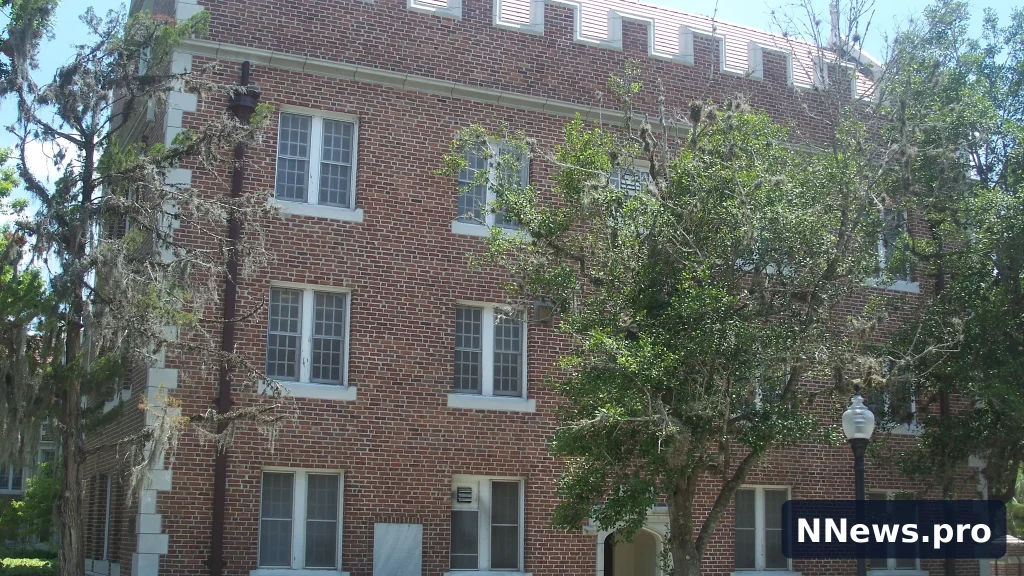
Florida’s governing board for public universities on Friday postponed a vote on whether to let some undocumented students attend the state’s 12 public universities, leaving a sweeping enrollment ban — and a direct clash with a 55-year-old state law — unresolved for now.
The State University System of Florida’s Board of Governors was expected to consider a narrow exception to a rule it approved in September that bars anyone “present in the United States unlawfully” from enrolling at the state’s public universities beginning with the 2027-28 academic year. Instead, the board’s Academic Affairs Committee shelved the item during its meeting Friday at Florida International University, saying it needed more time to review feedback.
A narrow exception, put on hold
The proposed amendment would have created a limited carve-out for students already moving through Florida’s community college system. Under the draft, a student could still enroll at a public university if they earned an associate degree from a state community college before the spring 2027 semester, or if they were enrolled in a community college program covered by an agreement with the university system before then.
The exception exists because of a collision with Florida’s own law. Since 1971, the state’s articulation agreement — known as the 2+2 program — has guaranteed that graduates of Florida’s public colleges can transfer into a state university to finish a bachelor’s degree. State law, section 1007.23, says every associate in arts graduate of a Florida College System institution “must be granted admission” to a state university’s upper division, with only narrow exceptions for limited-access, teacher-certification and audition programs.
The September ban, Regulation 6.001, did not address that guarantee. The proposed amendment would have reconciled the two by grandfathering in students already in the 2+2 pipeline before spring 2027. Everyone else who is unlawfully present would still face the ban at any university that did not admit all academically qualified applicants in the two most recent years.
Board chair Douglas Broxson, a former state senator, moved to postpone the item, saying the board needed to evaluate additional feedback it had received before moving forward with a vote. The Board of Governors did not respond to a request for comment on Friday.
Advocates say the exception does not go far enough
Immigrant advocates said the proposed exception was too small even before the board set it aside. Gaby Pacheco, president and CEO of TheDream.US, a national scholarship organization for undocumented students, called the draft “a small admission of previous overreach” but “nowhere close to a solution.”
Pacheco noted that undocumented high school students graduating in 2027 would still be barred from attending a public four-year institution, even if they grew up in Florida and graduated from its public schools. “Florida’s policies to bar Dreamers from state universities have taken the state backward,” she said in a statement, “reviving an era when access to educational opportunity was determined by who you were and where you came from, rather than your talent, hard work, and potential.”
Even the students the exception would have covered would still face a steep financial barrier. Pacheco said grandfathered students would have to pay out-of-state tuition rates, which can be several times higher than the in-state rate. She urged the board to repeal the rule entirely and restore affordable access for Florida Dreamers.
Florida is home to more than 60,000 undocumented college students, according to data from the Higher Ed Immigration Portal.
Background: a year of tightening access
The university ban is part of a broader tightening of higher education access in Florida this year. Before the board acted in September, the state Legislature rolled back undocumented students’ eligibility for in-state tuition. The Justice Department has also opened a litigation campaign against the 25 states and localities with similar in-state tuition policies, and advocates have described the lawsuits as a coordinated effort against undocumented students’ rights.
Florida is one of four states that have moved to restrict undocumented students’ access to higher education, according to WMNF.
Related Articles
The restrictions reach beyond universities. The State Board of Education has also approved a ban on undocumented students attending the state’s career and technical education programs, including training for nursing, plumbing and culinary arts. That board acted in June, covering the state’s 28 public colleges and adult education programs.
The delay also comes days after the Education Department announced $50 million in English-learner teacher grants, a reminder of how much federal policy now shapes who gets to teach and learn in American classrooms.
Why this matters
The postponement leaves thousands of Florida students in limbo at the exact moment they are making college plans. High school seniors now applying to college do not know whether the door to a public university will be open to them next year, and community college students in the 2+2 pipeline do not know whether their guaranteed transfer will survive.
The legal question matters beyond Florida. If a state university system can bar students whom a state statute says must be admitted, other states watching Florida could try similar moves. If the board instead honors the 1971 guarantee, it would set a limit on how far enrollment bans can reach.
The uncertainty adds to a difficult year for international and immigrant students in American higher education, including the proposed $70,000 fee on Optional Practical Training that colleges say could end the program.
Latest developments
The board gave no new date for revisiting the amendment, and the ban itself remains in place for the 2027-28 academic year unless the board changes course. The next step is a public comment period if the board eventually advances the text, followed by a final vote at a later meeting.
The delay comes as American Education Week begins Monday, November 16, a national celebration of public schools that runs through November 20. The National Education Association is marking the week by spotlighting education support professionals with “Education Support Professionals for a Day” events on Wednesday, November 18.
Frequently Asked Questions
What did Florida’s university board delay on Friday?
The Board of Governors postponed a vote on an amendment to Regulation 6.001 that would have let some undocumented students attend public universities if they earned an associate degree from a Florida community college before spring 2027, or were enrolled in a covered community college program before then. Board chair Douglas Broxson said the board needed more time to evaluate feedback.
Are undocumented students currently banned from Florida’s public universities?
Yes, under a rule the board approved in September. It bars anyone “present in the United States unlawfully” from initial enrollment at the state’s 12 public universities beginning with the 2027-28 academic year, at universities that did not admit all academically qualified applicants in the prior two years.
Why does the ban conflict with Florida law?
Florida’s 1971 articulation agreement, known as the 2+2 program, and state law section 1007.23 guarantee that associate in arts graduates of Florida’s public colleges must be granted admission to a state university’s upper division. The September ban did not address that guarantee, which is why the board drafted the grandfather clause.
How many undocumented college students are in Florida?
More than 60,000, according to data from the Higher Ed Immigration Portal.
What to watch next
The key question is when — and whether — the Board of Governors returns to the amendment. If it advances the text, a public comment period follows before any final vote. Until then, the September ban stands, the 2+2 guarantee stands, and the students caught between them are left waiting.
Sources: Inside Higher Ed (https://www.insidehighered.com/news/governance/trustees-regents/2026/11/13/florida-university-system-punts-admission-noncitizens); WMNF (https://www.wmnf.org/bog-postpones-amendment-to-undocumented-students-ban/); Miami Patriot (https://www.miamipatriot.com/20261112-university-ban-2plus2-carveout); National Education Association (https://www.nea.org/nea-today/all-news-articles/get-ready-american-education-week).