Chile’s President Kast Faces Fuel Protests and 24% Approval Eight Months Into Term
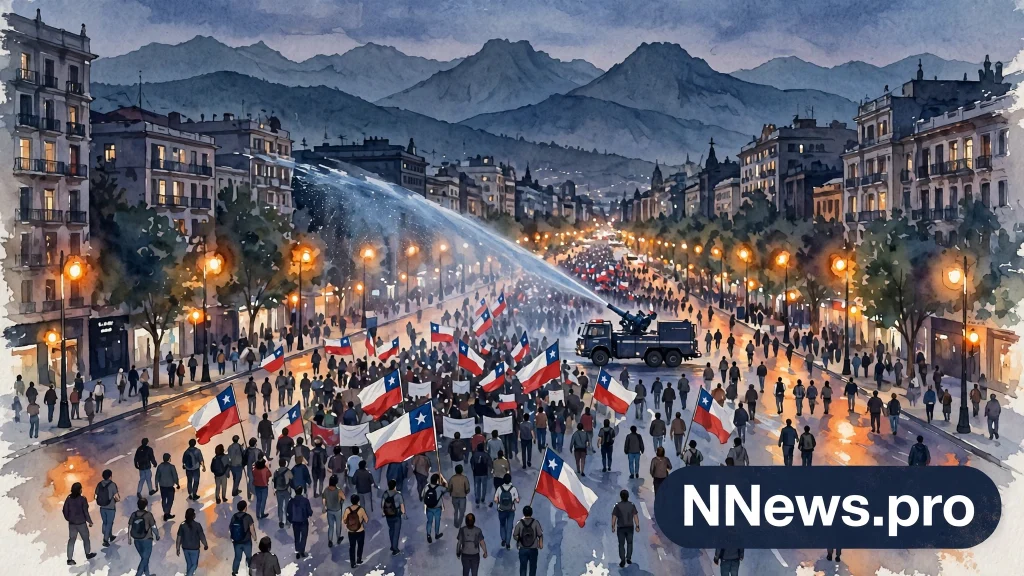
Chile’s ultraconservative president, José Antonio Kast, is on the back foot after just eight months in power, with his approval rating down to 24% as protests over fuel prices and the cost of living spread through Santiago and truckers blockaded major highways.
Kast won the presidency in December 2025 by steering clear of his hardline positions on social issues and campaigning instead on illegal immigration and public security. Less than a year later, it is affordability — not crime or migration — that is defining his government, and the crowds in the streets are growing.
A fuel shock that started in July
The immediate trigger is fuel. In July, Kast’s government chose not to use a state mechanism designed to limit inflationary pressure on fuel prices, even as prices climbed in the wake of the U.S.-Israeli war with Iran. Prices shot up overnight, and motorists formed long lines at gas stations to fill their tanks before the increase took effect.
Discontent has simmered ever since. This week, Chile’s truckers’ unions escalated the dispute by blockading two major highways around Santiago to demand government action on fuel costs. The strike ended on Friday after the government backed down and sent a bill to Congress that would reverse the planned fuel price increases. The measure is expected to be approved this month, but the concession has done little to calm the wider anger over living expenses.
At a march in Santiago on Friday evening, 30-year-old architect Simón Echavarría described the pressure facing ordinary Chileans. “Our salaries are maybe 20% of a European income, but with a similar cost of living — it’s terrible,” he said. Behind him, heavily armed police blocked the streets and fired water cannons at protesters chanting and waving flags.
The sentence cuts that deepened the backlash
Fuel is not the only grievance. Much of the recent anger stems from a revelation last month that Kast’s government had signed decrees cutting the sentences of 56 prisoners whose crimes range from the rape of children to human rights violations committed during Chile’s dictatorship era.
Kast has since admitted that the sentence reductions were an “error,” but he has stood by the undersecretary who signed the decrees. For many protesters, that response has become a symbol of a government they say is pushing through measures nobody asked for.
“We want to protest against the measures that have set us back on environmental issues, on human rights, even reducing the sentences of pedophiles — they are implementing things that nobody asked for,” Echavarría said at the march.
A budget that points to more cuts
The government’s budget proposal, now moving through Congress, is adding to the discontent. It seeks cuts to education, culture, science and a host of social programs, at a moment when many Chileans say their household budgets are already stretched to breaking point.
Patricia Pereira, a 30-year-old veterinarian at Friday’s march, said she was worried about cuts to science funding, but that her discontent ran deeper. “Here in Chile, it was a hard-won victory for children to have free education, achieved through protests, and now even that’s also being called into question,” she said.
Protests are likely to grow in Santiago if the government fails to address the cost of living. So far, Kast has shown little sign of doing so.
Related Articles



Why this matters
Chile is not alone. Across the Americas, politicians who aligned themselves enthusiastically with U.S. President Donald Trump are facing similar pressure as rising fuel prices and the cost of everyday goods fuel public discontent. In Argentina, far-right libertarian Javier Milei faces reelection in less than a year, with 60% of the country disapproving of his leadership amid spiraling inflation. In Peru, President Keiko Fujimori is also facing growing discontent, with 53% disapproving of her government, according to a recent Ipsos poll.
Kast’s slide is a reminder that the politics of affordability can cut across ideology. A president elected on promises of order and security is now being judged on whether ordinary Chileans can afford to fill a tank and feed a family — and, for now, the verdict in the polls is harsh.
The pattern is familiar elsewhere in the region. Paraguay’s president was impeached and removed from office this month after a bank collapse, and a Dutch government crisis was averted in weekend talks after a tax-plan row. But Chile’s crisis is slower-burning: no single scandal, just a steady accumulation of grievances that the government has so far failed to answer.
Latest developments
- The truckers’ blockade of two major highways ended Friday after the government sent Congress a bill reversing planned fuel price rises. The bill is expected to be approved in November.
- The fuel price relief now rests with Congress, while the government’s budget proposal — with cuts to education, culture, science and social programs — continues through the legislature.
- Protests in Santiago are expected to continue if the government does not address the rising cost of living.
Frequently asked questions
Why is Chile’s President Kast unpopular?
His approval rating has fallen to 24% eight months into his term, according to polling cited by NPR. The main drivers are rising fuel prices and living costs, a scandal over sentence cuts for 56 prisoners, and proposed cuts to education, culture, science and social programs.
What caused the fuel crisis in Chile?
Fuel prices rose sharply after the U.S.-Israeli war with Iran, and in July Kast’s government chose not to use a state tool that could have eased the increase. Prices jumped overnight, prompting protests and a truckers’ blockade of two major highways.
What did the government do about the truckers’ strike?
On Friday, the government sent a bill to Congress reversing the planned fuel price increases, which ended the blockade. The bill is expected to be approved this month, but public anger over the broader cost of living continues to grow.
What were the prisoner sentence cuts?
Last month it was revealed that Kast’s government had signed decrees cutting the sentences of 56 prisoners, including people convicted of child rape and dictatorship-era human rights violations. Kast called the decision an “error” but supported the official who signed the decrees.
Chile’s president took office promising to restore order. Eight months on, the streets of Santiago are telling a different story — one of water cannons, blocked highways and a government struggling to convince Chileans that it understands what life costs.
Sources: NPR — Fuel crisis and protests pressure Chile’s far-right president (John Bartlett, Nov 14, 2026); La Tendencia poll via NPR; El País via NPR.