UN Climate Chief Urges Speed as COP31 Enters Final Week With Fossil-Fuel Divide Unresolved
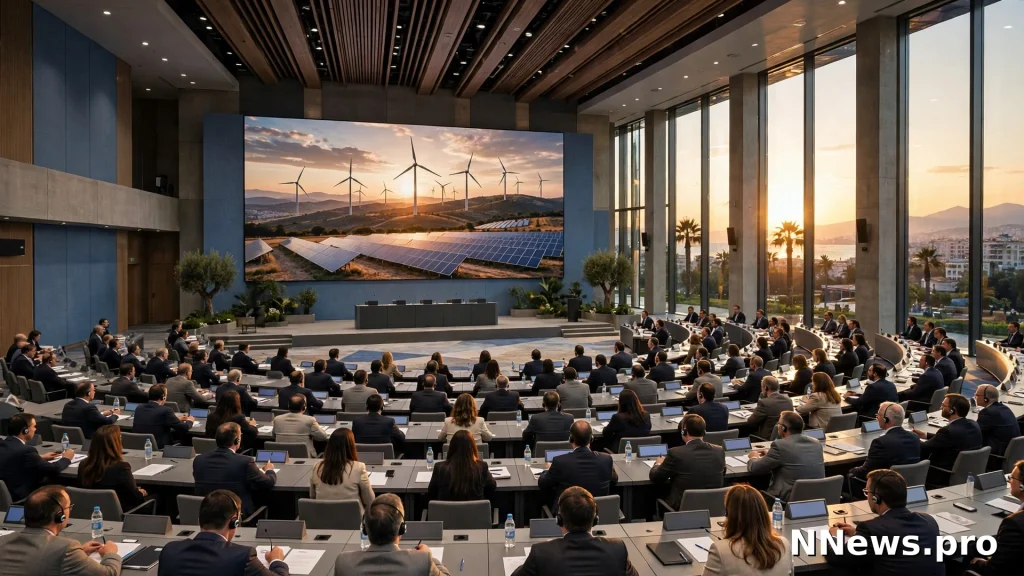
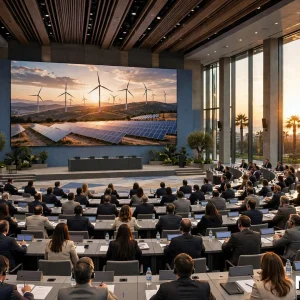
The United Nations’ top climate official urged negotiators at the COP31 conference in Antalya, Turkey, on Saturday to move swiftly toward a deal and “avoid tactical delays” as the summit entered its second and final week, with the long-running divide over fossil fuels still unresolved.
Simon Stiell, executive secretary of UN Climate Change, told delegates that agreement on every word remained tough but vital work, and that no country could succeed alone. His appeal came as the annual climate conference faced a familiar obstacle: big producers and consumers of fossil fuels are resisting any deal that would set firm new targets or a clear move away from oil, gas and coal.
“Each country has a view. Every country has a voice. Getting agreement on every word, every sentence is tough but vital work,” Stiell told the summit. “There is no collective success without compromise from every party.”
“As we head into the second week, I urge parties to move swiftly to the hardest issues and to avoid tactical delays.”
A familiar standoff over fossil fuels
The resistance poses a direct challenge for host Turkiye and lead negotiator Australia, which are trying to land an ambitious agreement before the summit closes on Friday, November 20.
Major oil producers such as Saudi Arabia and Russia have traditionally resisted language that would constrain fossil fuels, while large developing economies such as India have opposed measures they say could limit their development and energy choices, a dynamic that has compromised the outcomes of past climate deals.
A United Nations report published last month found the world is already on course to exceed the 1.5 degrees Celsius warming threshold set by the 2015 Paris Agreement, the limit scientists say should prevent the worst effects of climate change.
The world’s biggest oil consumer, the United States, has skipped the talks for a second year in a row under President Donald Trump, who has called global warming a hoax and promoted continued use of fossil fuels.
Turkiye’s electrification plan takes centre stage
COP31 host Turkiye is striving to place a proposal to expand global electrification at the centre of any eventual deal, saying the plan will lead to faster emissions cuts by speeding the shift away from fossil-fuel cars, boilers, furnaces and other equipment.
The proposal does not require the increased electricity use to come from renewable sources, however, disappointing observers and delegations that want countries to more clearly map out their transition away from fossil fuels.
On Friday, the COP31 Presidency published a “summary of reflections” on a proposed cover decision, the broad political agreement that would wrap up the summit. The document gathers the issues countries have said they want included, from advancing the transition away from fossil fuels to recognising the role of forests and oceans and responding to the prospect of temperatures overshooting 1.5 degrees Celsius. None of it is agreed yet.
Background: a summit under pressure
The annual UN climate conference faces new challenges this year as a series of crises, from war to inflation, push global warming down the list of priorities for world governments. Stiell has warned repeatedly that progress so far is nowhere near fast enough.
The talks opened in Antalya on November 9 with a call to turn climate promises into action, and the first week was spent largely on technical negotiations. The second week is when ministers arrive and the hardest political decisions are made — which is why Stiell’s warning about tactical delays matters now.
Related Articles

Asked how he viewed the progress in talks so far, Stiell said: “All I can say at this stage is engagement has been constructive. We know where those natural tensions lie.”
Why this matters
The outcome in Antalya will shape how quickly the world moves away from fossil fuels and cuts global fossil-fuel emissions, and how much support developing countries receive to adapt to a warming planet. A weak cover decision would leave the 1.5-degree goal further out of reach, while a deal with clear language on the energy transition and finance could give countries and investors a firmer direction.
For American readers, the talks matter even though the United States is absent from the negotiating table. Decisions on electrification, methane and fossil-fuel finance affect global energy markets, the cost of clean technology and the competitiveness of American companies abroad.
Latest developments
Countries are expected to submit text proposals over the weekend, with a proper draft of the cover decision emerging early next week. The document is also expected to cover methane, electrification, adaptation finance, loss and damage, Brazil-led roadmaps on the fossil-fuel transition and deforestation, and even a reference to a third commitment period of the Kyoto Protocol.
Negotiators have until Friday, November 20, when the summit is scheduled to close. Climate talks frequently run past their deadlines, so the final hours could stretch into the weekend if the fossil-fuel language remains contested.
Frequently Asked Questions
What is COP31?
COP31 is the 31st Conference of the Parties to the UN Framework Convention on Climate Change, the annual summit where nearly 200 countries negotiate action on global warming. This year’s meeting is being held in Antalya, Turkey.
What did Simon Stiell actually ask negotiators to do?
He urged them to move swiftly to the hardest issues and avoid tactical delays as the summit entered its second and final week, warning that there is no collective success without compromise from every party.
Why is the fossil-fuel divide the hardest issue?
Big fossil-fuel producers and consumers resist any deal that would set firm new targets or a clear move away from oil, gas and coal, while climate advocates and vulnerable countries say such language is essential to keep warming in check.
When does COP31 end?
The summit is scheduled to close on Friday, November 20, though climate negotiations often run beyond their planned finish.
The final week in Antalya will test whether nearly 200 countries can bridge the fossil-fuel divide that has stalled climate talks for years. Stiell’s message was blunt: the time for delay is over, and the deal will only come if every party is prepared to compromise.
Sources: Reuters (via SRN News), “UN climate chief urges speed as COP31 confronts fossil fuel divide,” November 14, 2026 — https://srnnews.com/un-climate-chief-urges-speed-as-cop31-confronts-fossil-fuel-divide/ ; Asiatoday, “COP31 Midway: Stiell Urges Speed as Fossil Talks Stall,” November 14, 2026 — https://asiatoday.id/read/stiell-urges-speed-as-cop31-hits-midway-fossil-fuel-stalemate