France Braces for Fifth Weekend of Cost-of-Living Protests as 70,000 Police Deploy Nationwide
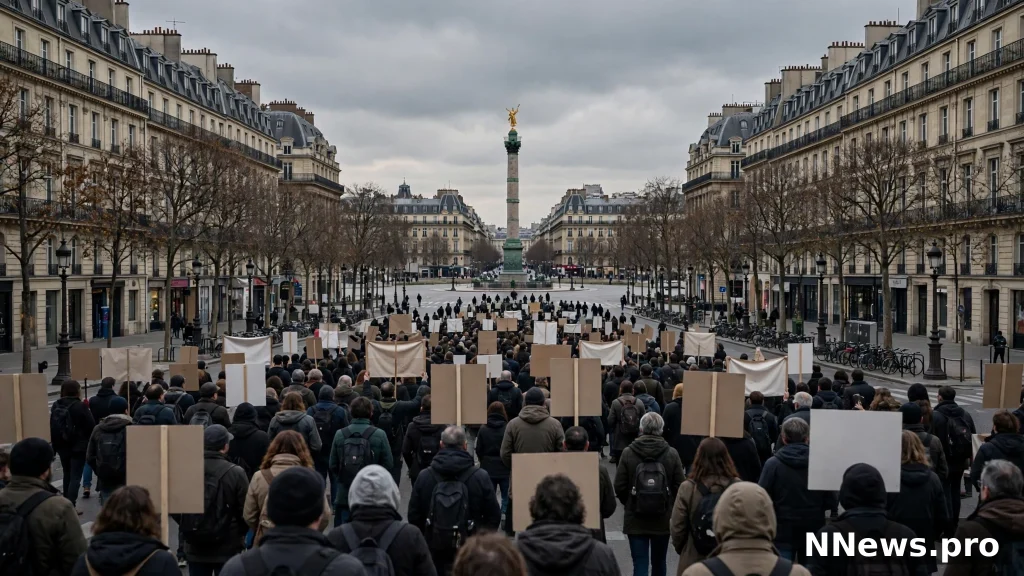
France is preparing for a fifth consecutive Saturday of nationwide protests over the rising cost of living, with the government deploying about 70,000 police officers and gendarmes across the country and tens of thousands of demonstrators expected in Paris.
The demonstrations, billed by organizers as “Act V” of the movement, are scheduled for Saturday, November 14. Interior Minister Laurent Nuñez said between 50 and 60 marches are expected nationwide, bringing together Yellow Vests protesters, students, trade unions and other groups campaigning on social and environmental issues.
In Paris, the main march is due to set off from Place de la République at 1 p.m. local time (7 a.m. EST) and head to Place de la Nation via Bastille. A police intelligence memo seen by franceinfo estimates that between 30,000 and 60,000 demonstrators could gather in the capital. The Paris Police Prefecture approved a single shared route on Friday after three separate organizers filed to march along it.
A convergence of causes
Saturday’s mobilization is broader than the cost-of-living marches that began the series on October 17. The Yellow Vests coordination group, which has organized the Saturday protests, is joined this week by trade unions, youth organizations, the climate movement, children’s rights advocates and opponents of a proposed police firearms law critics call the “license to kill” bill.
Organizers describe the day as a “convergence of struggles and anger.” Other demonstrations are also planned in Paris during the day, including a march on artificial intelligence rules and a family march in the afternoon, while children’s rights groups will hold stands at République.
Authorities are preparing for a large security operation. The prefecture’s intelligence service has warned of risks to public order, and a police source told French media that between 300 and 600 people among the expected Paris demonstrators are considered high risk. Around 70,000 police officers and gendarmes will be deployed nationwide, the same level as on previous Saturdays of protests since October.
Transport will be disrupted in the capital. The RATP transit authority is closing 21 metro stations at the request of the Paris Police Prefecture, from Châtelet to Bastille and from the Champs-Élysées to Invalides. Châtelet and Les Halles close from 10 a.m., with 19 other stations following from 11 a.m.
Turnout has been falling
The fifth weekend of protests comes as turnout has drifted lower. Last Saturday’s demonstrations drew 146,000 people across France, including 46,000 in Paris, according to the Interior Ministry. Youth union organizers put nationwide participation at around 250,000, with 75,000 in Paris. Both counts were down on earlier protest days.
The gap between official and organizer figures is a familiar feature of French protest counts, and it is likely to recur on Saturday. What is not in dispute is that the movement has sustained five straight weekends of mobilization, an unusually long run for a cost-of-living campaign that began in mid-October.
Why this matters
The protests are a test of public frustration with household budgets in France’s second-largest economy, and of the government’s ability to keep a sprawling, multi-cause movement peaceful. The Interior Ministry’s decision to deploy 70,000 officers for a fifth straight weekend underlines how seriously Paris takes the risk of disorder, particularly in the capital, where the convergence of several marches onto one route concentrates large crowds in a small area.
Related Articles



For the government, the stakes are political as well as practical. The protests have become a weekly fixture, and their persistence keeps cost-of-living pressures at the center of the national debate even as the crowds thin.
What to watch
The main Paris march sets off in the early afternoon local time, and the first official turnout estimates are expected later on Saturday. Police will be watching for any trouble among the small number of demonstrators flagged as high risk, and for whether the convergence of causes brings out a larger crowd than last weekend’s declining numbers suggested.
November 14 marks the end of the series of five Saturdays of protests launched on October 17. Whether the movement continues into a sixth weekend, and in what form, is likely to be decided by what happens on the streets on Saturday.
Frequently asked questions
When are the France cost-of-living protests on November 14?
The main Paris march sets off from Place de la République at 1 p.m. local time (7 a.m. EST), heading to Place de la Nation via Bastille. Between 50 and 60 marches are expected across France during the day.
How many police are deployed for the protests?
About 70,000 police officers and gendarmes are deployed nationwide, according to Interior Minister Laurent Nuñez — the same level as on previous Saturdays of protests since October.
How many people are expected in Paris?
A police intelligence memo cited by franceinfo estimates between 30,000 and 60,000 demonstrators in Paris. Last Saturday drew 46,000 in the capital according to the Interior Ministry, or 75,000 according to organizers.
Why are people protesting in France?
The protests began on October 17 over the rising cost of living. This Saturday’s marches also bring together unions, students, climate campaigners, children’s rights advocates and opponents of a proposed police firearms law.
Related on NNews.pro:
Explosive device at Peoria ethanol plant rendered safe
Sirens sound at RAF Lakenheath as US forces respond to suspected drone