Cape Verde Votes in Historic Election as First Woman Runs for President Since Independence
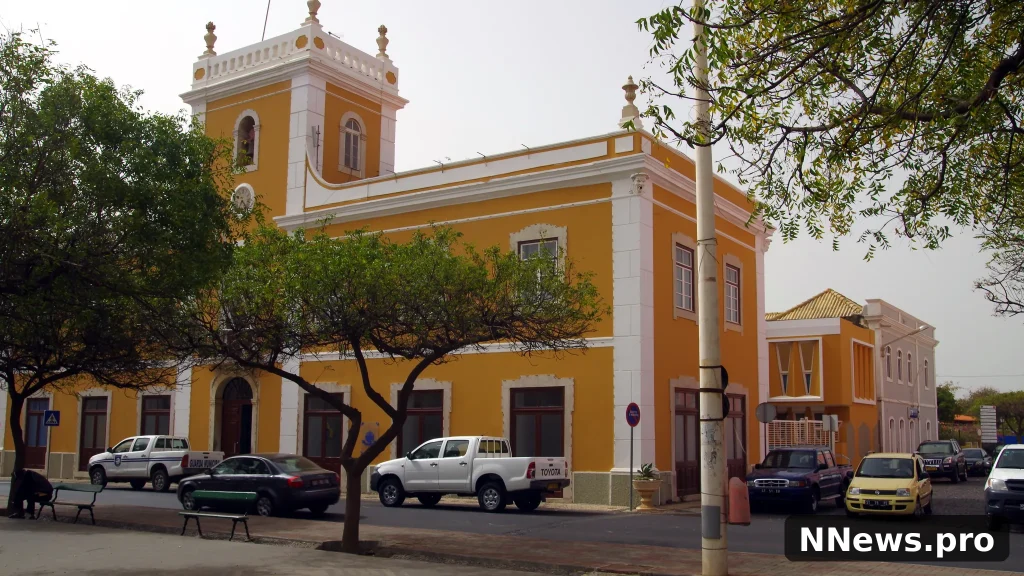
Cape Verde voted on Sunday in a presidential election that made history before a single ballot was counted, as former justice minister Joana Rosa became the first woman to run for the country’s highest office since it gained independence from Portugal in 1975.
Polling stations opened at 8 a.m. local time and were scheduled to close at 6 p.m. across the ten-island Atlantic archipelago, with more than 300,000 people eligible to vote and six candidates on the ballot. The National Electoral Commission registered 419,448 voters, including 76,383 living abroad.
President José Maria Neves, 66, is seeking a second five-year term and enters the vote as the favorite. His strongest challenger is Rosa, 61, of the opposition Movement for Democracy, whose candidacy has turned an otherwise familiar contest between the country’s two main parties into a landmark moment for Cape Verdean politics.
A familiar contest with a historic first
Neves has dominated Cape Verdean politics for two decades. A member of the African Party for the Independence of Cape Verde, the country’s oldest political party, he served as prime minister for 15 years before becoming president in 2021. His party won 37 of the 72 parliamentary seats in May, allowing Neves to appoint Francisco Carvalho, then the mayor of the capital, Praia, as prime minister.
Rosa, a lawyer and former justice minister, is running under the opposition banner after her party lost power following a decade in government. Her campaign has focused on the issue that dominated the race: emigration.
Cape Verde is known for political stability and peaceful elections in a volatile region, and its presidency carries real weight. The country runs a hybrid parliamentary-presidential system in which the president holds veto authority and plays a mediating role in political disputes.
Emigration dominates the campaign
The central question of the election is why so many young Cape Verdeans leave. More Cape Verdeans now live abroad than the roughly 500,000 people who reside on the islands, with most of the diaspora settled in Portugal, the former colonial power, and the United States. Nearly 77,000 citizens living overseas registered to vote in this election.
Neves has promised to organize a youth summit to address emigration if he is elected to a second term. Rosa, meanwhile, has called for a government that allows young people “to build their futures here at home and prevent the continued exodus of young Cape Verdeans abroad.”
But many voters feel distant from the political class, Roselma Evora, a professor of political science and gender studies at the University of Cabo Verde, told The Associated Press. She said voters are concerned that political leaders do not understand their daily difficulties, and that jobs and economic opportunity have become the decisive issues of the race.
What happens next
A candidate must win more than 50 percent of the vote to secure the presidency in the first round. If no one reaches that threshold, the top two finishers will meet in a runoff on November 29. Election officials expect results within two to three days.
Related Articles



The outcome will decide whether Neves wins another term or Cape Verde elects its first female president. Either way, the vote is also a test of public support for the country’s established parties, which have traded power between them since independence.
The election comes in a year of dramatic political change elsewhere. Paraguay’s president was impeached and detained after a banking collapse, while in the United States, New York Democratic Socialists urged Alexandria Ocasio-Cortez to run for president in 2028. Cape Verde’s vote is quieter, but for the island nation it carries the same question voters everywhere are asking: who can deliver jobs and a future at home.
Why this matters
For American readers, Cape Verde’s election is a reminder that democracy in West Africa is not only about coups and crises. The country has built a record of stable, peaceful transfers of power, and its large diaspora in the United States keeps the outcome connected to American communities. The emigration debate at the heart of the race — how a small island nation keeps its young people — is one many countries are now having.
Frequently Asked Questions
Who is Joana Rosa?
Joana Rosa is a 61-year-old lawyer and former justice minister who is running for president of Cape Verde for the opposition Movement for Democracy. She is the first woman to run for the presidency since Cape Verde gained independence from Portugal in 1975.
Who is the incumbent president?
José Maria Neves, 66, of the African Party for the Independence of Cape Verde. He served as prime minister for 15 years and has been president since 2021. He is seeking a second five-year term and is tipped as the favorite.
When will the results be known?
Election officials expect results within two to three days of the November 15 vote. If no candidate wins more than 50 percent, a runoff between the top two candidates is scheduled for November 29.
Why is emigration the main issue?
More Cape Verdeans live abroad than the roughly 500,000 people living on the islands, driven by a lack of jobs. Both candidates have made youth employment central to their campaigns, with Neves promising a youth summit and Rosa pledging to help young people build futures at home.
Cape Verde’s voters have now had their say, and the count over the coming days will determine whether the country keeps its incumbent or makes history with its first woman president.
Sources: Associated Press (via Barbados Gazette); Al Jazeera via Radar Africa (citing Reuters and Associated Press); National Electoral Commission of Cape Verde via HeadlinesXtra.