Macron Warns Cutting Ukraine Aid Would Force an “Unjust Peace” and Pave the Way for Another War
French President Emmanuel Macron warned on Saturday that limiting aid to Ukraine would not bring peace any closer. Instead, he said, it would force Kyiv into an unjust settlement — and that settlement would be a recipe for another war in Europe.
In a lengthy message posted on social media on November 14, Macron argued that those who want to ration support for Ukraine are, in effect, seeking to impose a peace on terms dictated by Moscow. “That is the spirit of defeat. That is a recipe for another war. That cannot be France’s position,” he wrote.
The warning came as the United States presses ahead with its mediation effort between Ukraine and Russia, and as European leaders fight to make sure any deal is not struck over their heads.
What Macron Said
Macron’s message set out two priorities for France and its European partners: help Ukraine survive the coming winter, and work toward a just and lasting peace.
“Those who want to ration aid to Ukraine wish underneath it all to force an unjust peace on it,” Macron wrote, adding that such a peace would be imposed on all of Europe as well. He said France would keep up its financial backing and keep helping Ukraine protect its people, its power plants and its electricity grids.
The French president also said he believed Russian President Vladimir Putin “does not want to negotiate” and is trying to break Ukraine by stepping up drone and missile strikes against civilians and energy infrastructure as winter closes in.
“Helping Ukraine defend itself is protecting France and the French,” Macron wrote. “What is at stake in Ukraine directly concerns us. It is our collective security that is at issue.”
Macron did not name the countries or politicians he was responding to. But his intervention was widely read as a rebuke to voices — including inside the US-led peace effort — arguing that support for Kyiv should be scaled back to speed up a deal.
The Donbas Question Behind the Warning
Macron’s remarks landed on the same day that Ukrainian President Volodymyr Zelenskyy disclosed a striking new element in the negotiations. In comments released on Saturday, Zelenskyy said Washington had suggested Kyiv give up the Donbas region in exchange for Ukraine joining NATO — in effect, trading Ukrainian territory for NATO membership.
No response from the US government to Zelenskyy’s account has been reported, and it is not known who on the American side raised the idea or whether Washington accepts his description of the exchange. But the disclosure underlined why European leaders are alarmed: a deal shaped mainly by Washington and Moscow could leave Ukraine — and Europe — with terms they did not choose.
Zelenskyy has repeatedly said Ukraine will not trade land for peace, and European governments have backed that position.
Europe Fights for a Seat at the Table
Macron’s warning followed a week in which Europe pushed its way into negotiations it had feared would be held without it. US envoys Jared Kushner and Steve Witkoff held two days of American-mediated talks between Russian and Ukrainian delegations in Abu Dhabi on November 10 and 11. The talks agreed a large prisoner exchange but produced no breakthrough on a ceasefire or territory.
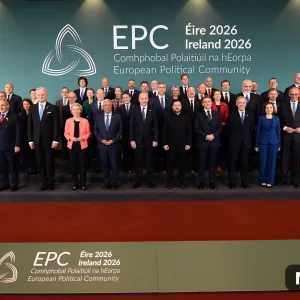
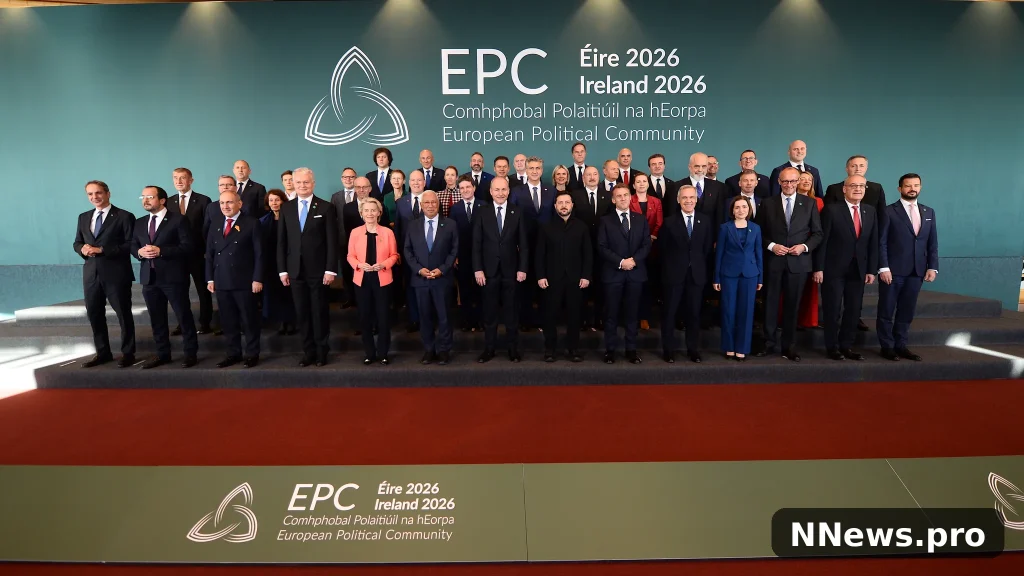
On Thursday, November 12, the two envoys met Putin in Moscow and then flew to Dublin, where they briefed Zelenskyy at Casement Aerodrome. The following day, at the European Political Community summit in Dublin, attended by almost 50 leaders, Europe chose five countries to send representatives to the talks — France, Germany, Italy, the United Kingdom and Poland — alongside EU institutions.
Related Articles
The leaders also backed a French-proposed Dublin Declaration, supported by 42 countries, setting out that peace in Ukraine cannot be settled without Ukraine and that matters affecting Europe’s security cannot be decided without Europeans. “Europe must take full part” in the work to bring about a fair and lasting peace, Macron said.
The European Union has already agreed a €90 billion loan to Ukraine for 2026 and 2027, underlining that Europe now carries most of the financial burden of supporting Kyiv — and that its funding for 2027 is not yet settled.
Why This Matters
Macron’s argument is that aid to Ukraine is not charity and not an open-ended commitment — it is leverage. Cut the aid, he argues, and Ukraine negotiates from weakness, accepts a settlement it cannot defend, and Europe is left facing a Russia that has learned that aggression pays.
A ceasefire without credible security guarantees, in his telling, would be little more than an intermission before the next war. That is why Paris is pressing for any peace to include long-term guarantees and a Ukrainian military capable of deterring another invasion — the work of the Coalition of the Willing, launched in early 2025 to prepare such guarantees.
For American readers, the stakes are direct. The United States is mediating the talks, and the terms it accepts will shape European security for years — and the credibility of American commitments to its allies.
Latest Developments
Kushner said on Saturday that Washington is now focused on direct engagement between Moscow and Europe, a shift that European capitals welcomed after weeks of fearing they would be sidelined. No date has been set for the next round of talks, and no ceasefire proposal has been agreed.
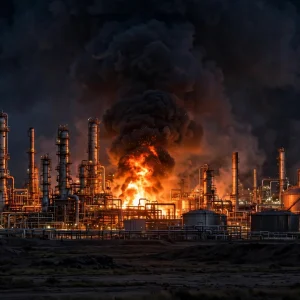
Meanwhile, Russian attacks on Ukrainian energy infrastructure have continued, including a recent drone strike on a hospital in Kyiv, as air defences come under strain ahead of winter. Ukraine’s priority, Macron said, is getting through the cold months with its power grid intact.
Frequently Asked Questions
What did Macron warn about Ukraine aid?
Macron warned that limiting or rationing aid to Ukraine would force Kyiv into an “unjust peace” that would leave it permanently defenceless and Europe vulnerable — “a recipe for another war.”
Why is Europe pushing for a seat at the Ukraine peace talks?
European leaders fear a deal negotiated mainly by Washington and Moscow could impose terms on Ukraine and Europe without their input. At the Dublin summit, Europe named France, Germany, Italy, the UK and Poland to represent it in future negotiations.
What is the Donbas-for-NATO proposal Zelenskyy mentioned?
Zelenskyy said US negotiators suggested Ukraine cede the Donbas region to Russia in exchange for NATO membership. Washington has not publicly confirmed the account, and Zelenskyy has said Ukraine will not trade land for peace.
How much financial support has the EU agreed for Ukraine?
The European Union has agreed a €90 billion loan to Ukraine covering 2026 and 2027. Funding for 2027 is still being discussed.
Macron’s message was blunt by design: France will not support rationing the aid on which Kyiv’s defence depends, and it will not accept a peace imposed on Ukraine. Whether Washington and Moscow hear that warning — and whether Europe’s newly won seat at the table changes the terms of any deal — will become clear in the next round of talks.
Sources: France 24 (AFP); The Curtain; ICWWM (AFP via France 24 and Arab News).