Rubio Says No Further US Military Action Is Needed Against Iran as Economic Pressure Bites
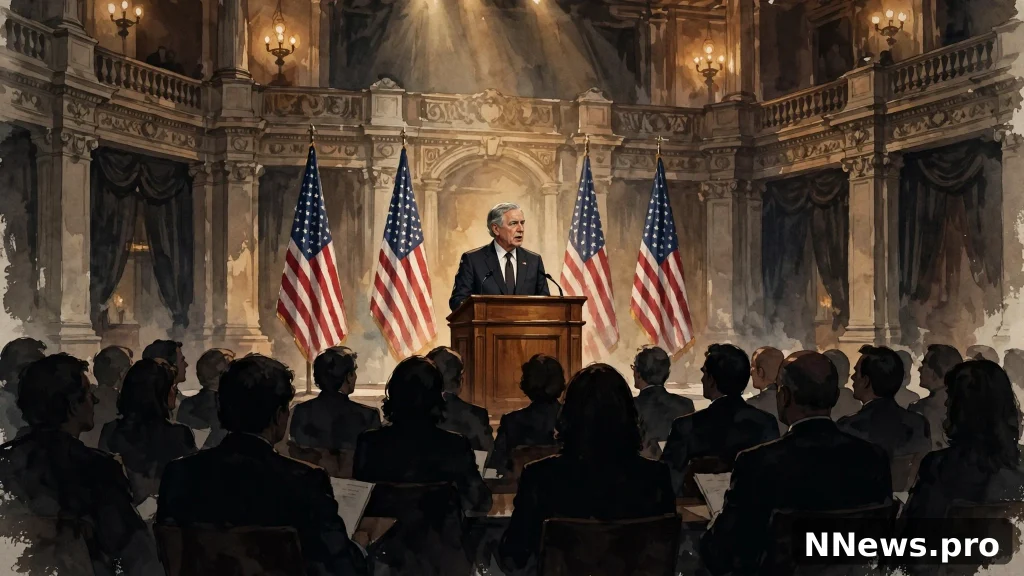
Secretary of State Marco Rubio said Friday that the United States does not need to carry out further military strikes against Iran, arguing that the economic pressure Washington is applying has already weakened Tehran so severely that additional force is unnecessary for now.
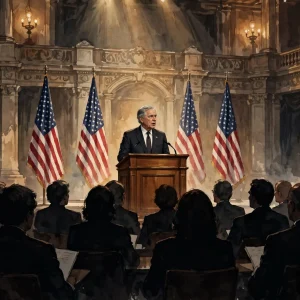
Speaking at the Federalist Society’s National Lawyers Convention in Washington, Rubio defined American victory in the confrontation in a single sentence: making sure Iran never obtains a nuclear weapon.
“And right now, frankly, the economic pain that we are inflicting on that regime is so great that there’s no need for military action because we’ve weakened them so much,” Rubio said. “But I think victory is ensuring that they never have a nuclear weapon.”
A shift from strikes to sanctions
Rubio delivered the society’s annual Olson Memorial Lecture on Friday, November 13, and took questions afterward. A second-year law student from William & Mary asked him what he would consider an American victory in Iran.
His answer drew a clear line between the war’s military phase and its economic one. The war began on February 28, 2026, with American and Israeli strikes on Iran, and Rubio said President Donald Trump had decided early on that the nuclear threat could not simply be left for a future administration to handle.
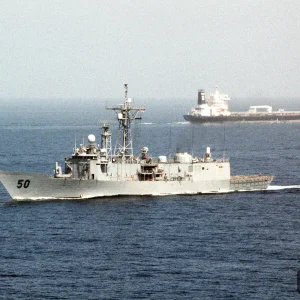
Rubio’s remarks reinforced a statement Trump made earlier in the week that the war “militarily is effectively over.” The secretary of state pointed to the tools now doing the work instead: sweeping sanctions and a U.S. naval blockade restricting Iranian trade. On November 10, Rubio had already said those measures were placing growing pressure on Tehran and reducing the need for major combat operations.
He was careful not to describe the confrontation as finished. Rubio did not say Washington had ruled out future military action, and he did not name a date for renewed talks. The blockade of Iranian ports remains in place.
Acknowledging the cost at home
Rubio also spoke openly about the price Americans have paid for the conflict, which has driven up fuel costs and affected nearly every sector of the global economy. Many Republican lawmakers blamed rising costs tied to the Iran war for their party’s poor showing in last week’s midterm elections.
“Believe me, no war is popular,” Rubio said. “It’s hard. It’s not easy and it’s difficult. And oftentimes it inflicts, you know, pain, economic pain and otherwise. So we recognize that.”
Rubio also placed responsibility for the region’s troubles on Iran’s clerical leadership, according to reports of the speech, arguing that the radical Shia clerics who lead Iran are behind the Middle East’s major problems.
Iran answers at the United Nations
Tehran responded the same day in New York. Iran’s deputy ambassador to the United Nations, Gholamhossein Darzi, told the Security Council on Friday that any renewed fighting would be met with a forceful reply.
“Any renewed war of aggression by the United States and the Israeli regime will be met with an immediate and decisive response, without hesitation,” Darzi said, adding that its response would be “directed against the source of aggression, wherever it may be.”
Darzi also said that U.S. threats and attacks during what he called “good faith” negotiations over the past two years had created “profound distrust” about the prospects of renewed talks without credible guarantees. Bahrain called the Security Council meeting on behalf of the six Gulf Cooperation Council countries.
Related Articles


A tense week in the Gulf
Rubio’s remarks came at the end of a week of fresh incidents in the Gulf. On Friday, the U.S. military said it shot down two Iranian attack drones headed toward Bahrain, denying Iran’s claim that its Revolutionary Guard had destroyed an American early-warning radar system in the kingdom. Iran also said Friday that a liquefied petroleum gas tanker struck a mine while trying to sail through the Strait of Hormuz, a claim that could not be independently verified.
The wider toll on shipping is now stark. The United Nations’ International Maritime Organization said 25 seafarers had died and many others were injured or remained missing following about 134 incidents in the Strait of Hormuz and the wider Middle East maritime area as of November 11. October had the highest number of incidents against commercial ships in the contested waters since February, when the Iran war began.
Iran also told the U.N. nuclear watchdog this week that discussions on nuclear monitoring cannot proceed while the country faces military threats. According to a confidential report by the International Atomic Energy Agency, Iran has not given inspectors access to sites affected by Israeli and U.S. strikes during the June 2025 war.
Why this matters
Rubio’s speech is the clearest public statement yet of how the Trump administration now sees the endgame with Iran: not another round of strikes, but sustained economic strangulation until Tehran can be kept permanently away from a nuclear weapon. For Americans, the message is that the administration believes the costliest phase of the war is behind them, even as fuel prices and global shipping disruption continue to bite.
For Iran, the message is the opposite. Washington is signaling that the blockade and sanctions will not lift simply because the bombing has paused. And with both sides now talking past each other at the United Nations — Washington about victory, Tehran about a “decisive response” — the path back to negotiations still looks narrow.
Frequently asked questions
Did Rubio say the Iran war is over?
No. Rubio said further U.S. military action is unnecessary right now because economic pressure has weakened Iran. He did not say the confrontation had ended or that Washington had ruled out future military action.
What did Rubio say victory over Iran would look like?
“Victory is they can never have a nuclear weapon one way or the other,” Rubio said. Preventing Iran from obtaining a nuclear weapon is the administration’s stated measure of success.
What economic measures is the U.S. using against Iran?
Washington is applying sweeping sanctions and a naval blockade that restricts Iranian trade. Rubio said on November 10 that those measures were placing growing pressure on Tehran and reducing the need for major combat operations.
The administration’s bet is now clear: that economic pain can finish what military strikes started. Whether that pressure produces a diplomatic opening — or another round of escalation in the Gulf — will be the question to watch in the weeks ahead.
Sources: Associated Press; The Times of Israel; Arab News via The Business Standard; The Washington Sun; The American Diary 24.