ExxonMobil Signs Venezuela Oil Deal in First Step Toward Return After Nearly 20 Years
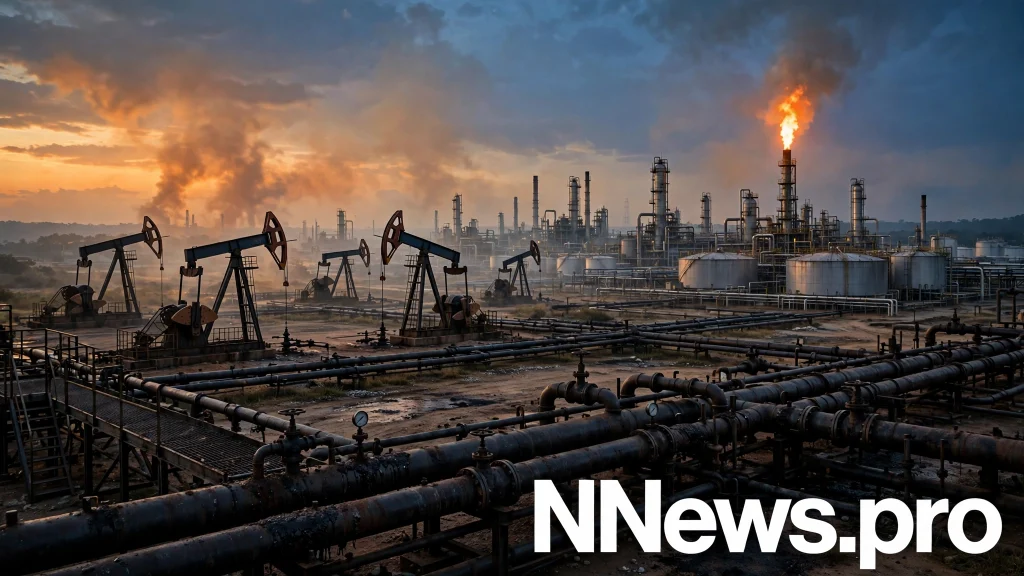
ExxonMobil has signed a preliminary agreement with Venezuela’s state oil company to explore a return to the country nearly two decades after its assets were seized, marking the most significant step yet in the Trump administration’s effort to rebuild the South American nation’s oil industry with American companies at the forefront.
The company announced on Monday, November 9, that it had signed a memorandum of understanding with Petroleos de Venezuela SA, known as PDVSA, to assess potential upstream oil opportunities. The agreement is non-binding and commits ExxonMobil to no specific project, but it is the first formal step by the largest American oil company toward re-entering a country its chief executive called “uninvestable” just ten months ago.
“This memorandum is a meaningful first step, but any future investment would require stable policies, clear regulations, strong investment protections and competitive returns,” ExxonMobil said in a statement.
A cautious first step, not a comeback yet
The distinction between the memorandum and an actual investment matters. ExxonMobil did not identify which projects or oil areas it is evaluating, and the company said a final joint-venture or production-sharing contract would be needed before it could take part in any exploration or production.
The signing ceremony was broadcast on Venezuelan state television, where interim President Delcy Rodriguez welcomed ExxonMobil back and said she hoped the memorandum would soon lead to concrete agreements.
Reuters has reported that ExxonMobil has expressed interest in returning to the Petromonagas project and evaluating neighboring areas in the Carabobo block. Petromonagas operates one of the few working facilities capable of upgrading Venezuela’s extra-heavy Orinoco crude into lighter grades suitable for export, making it one of the most valuable assets in the country.
The caution reflects a long and bitter history. ExxonMobil first entered Venezuela in the 1940s. Before its departure it held a 41.67 percent stake in the Cerro Negro heavy crude project, now known as Petromonagas, and a 50 percent interest in the La Ceiba project in the southern Maracaibo basin. It left in 2007 after refusing to hand majority control of its projects to PDVSA during the nationalization drive under former President Hugo Chavez.
ExxonMobil affiliates filed for arbitration at the World Bank’s International Centre for Settlement of Investment Disputes in 2007. In 2014, the tribunal awarded the company $1.6 billion plus interest dating back to 2007. Venezuela has challenged the award, and the matter remains pending.
Chief Executive Darren Woods has pointed to that history repeatedly. In January, shortly after American forces removed President Nicolas Maduro from power in a raid, Woods called Venezuela “uninvestable” and said far more work was needed to protect long-term investments and prevent future expropriations. He noted that the company’s assets in the country had been nationalized twice in the last 50 years.
Woods has softened his tone since then. During the company’s third-quarter earnings call last month, he said progress was being made on fiscal and legal terms, investor protections and other issues, though “there’s a way to go.”
Why Washington wants American oil companies back
The memorandum is also a political win for President Donald Trump, who has pushed to remake Venezuela’s energy sector with American companies at the forefront after US forces removed Maduro in January. The administration has argued that American investment can revive an industry that once made Venezuela one of the world’s largest oil producers but has been hollowed out by years of mismanagement, sanctions and underinvestment.
Venezuela holds the world’s largest proven crude reserves, yet its production has collapsed to a fraction of its former levels. Exports climbed to roughly 800,000 barrels per day in January, up from 498,000 barrels per day in December, according to shipping data, but that is still far below the more than 3 million barrels per day the country produced at its peak.
The US Treasury Department’s Office of Foreign Assets Control has rolled out a series of general licenses since January allowing established American companies to lift, buy, store, transport and refine Venezuelan-origin oil, and to negotiate contingent investment contracts. One license authorizes oil and gas sector operations in Venezuela for listed entities including Chevron, BP and Eni.
Chevron remains the only major American oil company operating in Venezuela, and it is expanding. The company is on the verge of securing agreements to broaden its operations, with two additional heavy-oil fields under negotiation, and an official announcement is expected on Wednesday in Caracas, coinciding with a planned visit by Energy Secretary Chris Wright. Chevron told analysts it could boost gross production in Venezuela by around 50 percent in the near term and handle an extra 100,000 barrels per day of Venezuelan crude at its US refineries.
Hunt Oil became the first American firm to formalize an agreement for Venezuelan oil extraction in October, preceding the current wave of industry contracts.
What changed in Caracas
The interim government in Caracas has moved to make the country more attractive to foreign investors. During an energy conference in October, Rodriguez said the government had signed 61 agreements under a revised hydrocarbon regulatory framework and was negotiating another 44 to attract investment into the sector.
The reforms have opened parts of the energy sector to new investors, and the government has signaled a willingness to offer terms that were unavailable under Maduro. Trump administration officials have estimated that rebuilding Venezuela’s petroleum sector could require roughly $100 billion in investment.
Still, the obstacles are formidable. Venezuela’s oil infrastructure is badly degraded after years of neglect, and the country’s extra-heavy crude requires expensive upgrading before it can be sold on world markets. The political situation remains unsettled, with the interim government led by Rodriguez facing questions about its legitimacy and longevity.
ExxonMobil’s own conditions make clear how much remains unresolved. The company wants stable policies, clear regulations, strong investment protections and competitive returns — none of which Venezuela can yet guarantee.
Related Articles
Why this matters
For American consumers, the return of US companies to Venezuela could eventually mean more heavy crude flowing to Gulf Coast refineries, which are designed to process exactly the kind of oil Venezuela produces. More supply from the Western Hemisphere would reduce American refiners’ dependence on distant suppliers and could help steady gasoline prices over time, though any production increase from ExxonMobil is years away.
For the oil industry, ExxonMobil’s move is a signal. The company is the most disciplined investor in the sector, and its willingness to sign even a non-binding agreement suggests it believes the political and legal changes in Venezuela are real enough to justify a closer look. If ExxonMobil proceeds, ConocoPhillips — the other American major that lost assets to nationalization in 2007 — could follow.
For the Trump administration, the memorandum is the clearest evidence yet that its Venezuela strategy is producing results. The president has tied American energy dominance to the rebuilding of Venezuela’s oil sector, and ExxonMobil’s participation would lend the effort credibility with investors and foreign governments alike.
For Venezuela, the stakes are existential. Oil accounts for the overwhelming share of the country’s export earnings, and without foreign capital and expertise, production is unlikely to recover. The interim government needs American companies more than they need Venezuela, and the memorandum gives Rodriguez a tangible sign that the world’s largest oil company is taking her government’s reforms seriously.
Latest developments
The memorandum was announced on Monday, November 9, and the signing ceremony was broadcast on state television the same day. No timeline has been disclosed for when ExxonMobil might conclude its evaluation or decide whether to pursue a final contract.
Chevron’s expected announcement on Wednesday, alongside Energy Secretary Chris Wright’s visit to Caracas, will be the next test of how quickly American companies are willing to commit real money. Wright’s trip underscores how directly the administration is involved in courting the industry.
Oil markets will also be watching. Brent crude fell 5.8 percent on Monday to about $92.57 a barrel after Trump said new strikes on Iran were “highly unlikely,” a reminder that geopolitics can move prices faster than any single deal. Venezuela’s return to world markets, if it happens, would add supply at a time when traders are already weighing the risk of further disruption in the Middle East, including the recent attack on Saudi Arabia’s East-West pipeline.
Frequently asked questions
What did ExxonMobil actually agree to in Venezuela?
ExxonMobil signed a non-binding memorandum of understanding with PDVSA to explore potential upstream oil opportunities. The agreement commits the company to nothing — no project, no investment, no timeline. A final joint-venture or production-sharing contract would be required before ExxonMobil could participate in exploration or production.
Why did ExxonMobil leave Venezuela in the first place?
ExxonMobil left in 2007 after refusing to give PDVSA majority control of its projects during the nationalization drive under former President Hugo Chavez. It held a 41.67 percent stake in the Cerro Negro project, now Petromonagas, and a 50 percent interest in La Ceiba. An international tribunal later awarded the company $1.6 billion plus interest, but Venezuela has challenged the award and the matter is still pending.
When could ExxonMobil actually start producing oil in Venezuela?
There is no timeline. The memorandum only allows the company to evaluate opportunities. Any production would require a final contract, regulatory approvals, and years of investment to repair and build infrastructure. Even if ExxonMobil proceeds, meaningful new production is years away.
Is any other American oil company operating in Venezuela?
Yes. Chevron is the only major American oil company currently operating in Venezuela, under a US government license. It operates three partnerships with PDVSA and is negotiating to add two more heavy-oil fields. Hunt Oil signed an agreement in October, becoming the first American firm to formalize a deal under the new framework.
What to watch next
The immediate focus is on whether ExxonMobil’s evaluation turns into a concrete proposal, and on Chevron’s expected announcement on Wednesday. Longer term, the test will be whether Venezuela’s interim government can deliver the stable policies, clear regulations and investment protections that ExxonMobil has demanded — and whether the next elected government in Caracas honors them. The company has been burned twice before, and it will not invest billions until it is convinced the third time will be different.
Sources:
- Reuters via OE Digital: https://www.oedigital.com/news/544247-exxonmobil-takes-first-step-toward-venezuela-oil-return
- Bloomberg Tax: https://news.bloombergtax.com/esg/exxonmobil-signs-deal-in-step-toward-re-entering-venezuela
- TradingView / Seeking Alpha: https://www.tradingview.com/news/seekingalpha:7d41c2789094b:0-exxon-signs-mou-to-explore-oil-opportunities-in-formerly-uninvestable-venezuela/
- MarineLink: https://www.marinelink.com/news/exxonmobil-takes-first-step-toward-544247
- TS2 / Reuters: https://ts2.tech/en/venezuela-oil-exports-jump-but-exxon-mobil-and-chevron-still-wont-bet-big/
- Europe Says / Reuters: https://www.europesays.com/3365341/