Delhi Overtakes Lahore as World’s Most Polluted City as Air Quality Turns Severe
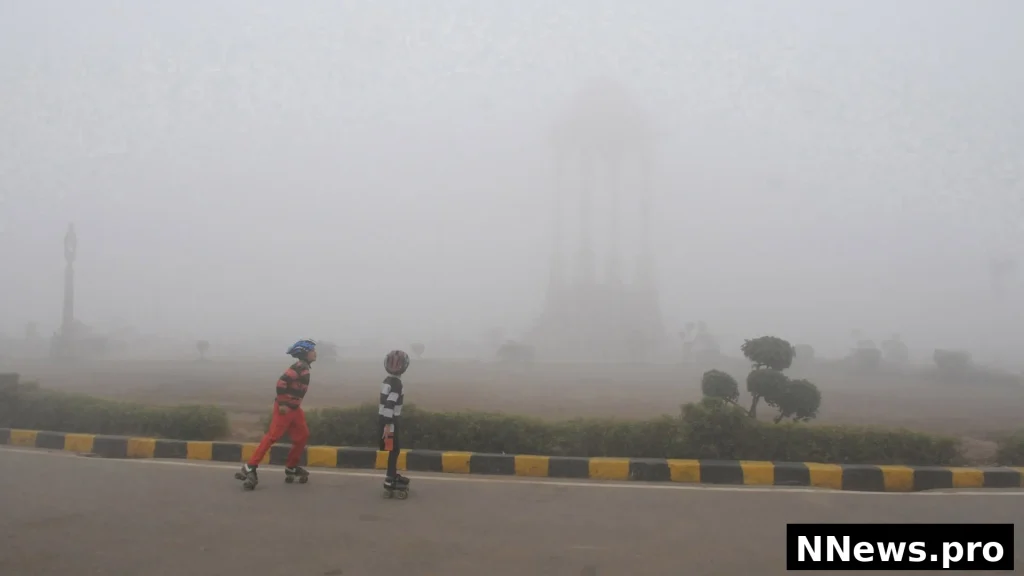
Delhi overtook Lahore to become the world’s most polluted city on Friday, as a dense blanket of smog settled over India’s capital and air quality plunged into the “severe” category for the first time this season.
The Swiss air-quality monitoring group IQAir ranked Delhi the most polluted major city in the world on Friday, putting its air quality index (AQI) at 334 and describing it as “hazardous.” India’s official Central Pollution Control Board (CPCB) recorded an even higher reading, pegging the city’s AQI at 403 and rating it “severe.” The two figures differ because the Swiss and Indian systems use different scales and methods to calculate air pollution.
The reading of 403 was recorded at 6:05 a.m. and held steady through 8 a.m. and 9 a.m., according to hourly data from the CPCB’s Sameer app. Later in the morning, the index climbed further, reaching 419 at 8:40 a.m., according to the news agency IANS.
Smog blankets a city of 20 million
Videos from the news agency ANI showed cars and motorcycles emerging from dense smog that appeared to obscure street lights on the city’s main roads. Visibility dropped sharply as the haze thickened across the capital, home to about 20 million people.
The pollution was widespread. Of the 58 monitoring stations that recorded data at 8 a.m., 33 were in the severe category, 24 were very poor and one was moderate. The worst reading came from IIT Delhi, at 488, followed by Chandni Chowk at 479 and the North Campus of Delhi University at 478. Several other stations, including Pusa at 469 and Punjabi Bagh at 456, also recorded readings well above 450.
Hospitals in the capital reported a rise in respiratory cases as the smog deepened, according to Indian media reports on Friday.
A familiar winter pattern
Pollution is a seasonal problem across much of northern India and neighbouring Pakistan. As winter sets in, cold, heavy air traps vehicle emissions, construction dust and smoke from agricultural burning close to the ground, allowing pollution to build up day after day.
The deterioration has been steady all week. Delhi’s AQI stood at 299, in the “poor” category, on November 10, before worsening to 313 on November 11 and 350 on November 12. Friday’s reading of 403 marked the first severe day of the season. Fine particulate matter, or PM2.5, reached 244 micrograms per cubic metre on November 12, about four times India’s national standard, according to the Hindustan Times.
The episode follows Diwali celebrations on November 8, after which the city’s air quality began its slide into the severe band.
Restrictions already in force
The Commission for Air Quality Management had already invoked Stage III of the Graded Response Action Plan (GRAP) across Delhi and the National Capital Region on November 6, after the AQI reached 382. Stage III brings restrictions on construction activity, curbs on high-polluting vehicles entering the capital and advice for schools to limit outdoor activities.
The India Meteorological Department has forecast that Delhi’s air quality is likely to remain between the “very poor” and “severe” categories until November 16, with warm, still air trapping pollutants near the ground and no significant relief in sight.
Related Articles



Why this matters
Air at severe levels is a health emergency, not just an inconvenience. The CPCB warns that severe air quality can affect healthy people and seriously aggravate existing heart and lung conditions, with children, older adults and outdoor workers at the highest risk. For a city of 20 million, a multi-day severe episode means millions of people breathing air that doctors say can trigger asthma attacks, bronchitis and other respiratory problems.
The ranking also underlines a regional problem. Lahore, the city Delhi overtook on Friday, regularly trades places with Delhi at the top of global pollution rankings each winter, as the same trapped-air conditions blanket the plains of northern India and Pakistan. India accounted for 86 of the world’s 100 most polluted cities on Friday, according to data from AQI.in.
Related reading: India’s retail inflation.
Latest developments
- Delhi’s AQI hit 403 at 6:05 a.m. on Friday and stayed at that level through 9 a.m., before rising to 419 at 8:40 a.m.
- Thirty-three of 58 monitoring stations recorded severe air quality; IIT Delhi was worst at 488.
- GRAP Stage III restrictions, in force since November 6, remain active across Delhi and the National Capital Region.
- The weather office expects very poor to severe air quality until November 16.
Frequently asked questions
What is Delhi’s AQI today?
Delhi recorded an AQI of 403 on Friday morning, November 13, classified as “severe” by India’s Central Pollution Control Board. The Swiss group IQAir put the reading at 334 and described it as “hazardous” on its own scale.
Why is Delhi’s air so polluted?
Winter air in northern India is cold and heavy, trapping vehicle emissions, construction dust and smoke from crop burning close to the ground. The problem builds through the season and peaks in November and December.
What does a “severe” AQI mean?
On India’s scale, an AQI of 401 to 500 is severe. At that level, air quality can affect healthy people and seriously aggravate heart and lung conditions. Authorities advise limiting outdoor activity, especially for children, older adults and people with respiratory illness.
How long will the smog last?
The India Meteorological Department forecasts that Delhi’s air quality will likely remain between “very poor” and “severe” until November 16, with no significant improvement expected before then.
Delhi’s turn at the top of the global pollution ranking is a reminder that the capital’s winter smog season has arrived in full. With no relief forecast until at least November 16, residents face several more days of hazardous air — and the restrictions meant to fight it are already at their third stage.
Sources:
- Reuters: https://kwsn.com/2026/11/12/delhi-overtakes-lahore-as-worlds-most-polluted-city-as-air-quality-drops/
- The Hindu BusinessLine: https://www.thehindubusinessline.com/news/dense-blanket-of-smog-envelops-city-aqi-settles-in-severe-category/article71696538.ece
- IANS via Hi India: https://hiindia.com/aqi-remains-severe-at-419-thick-smoky-haze-continues-to-envelop-delhi/