Germany Agrees 2027 Budget With Near-Record €210 Billion in New Borrowing
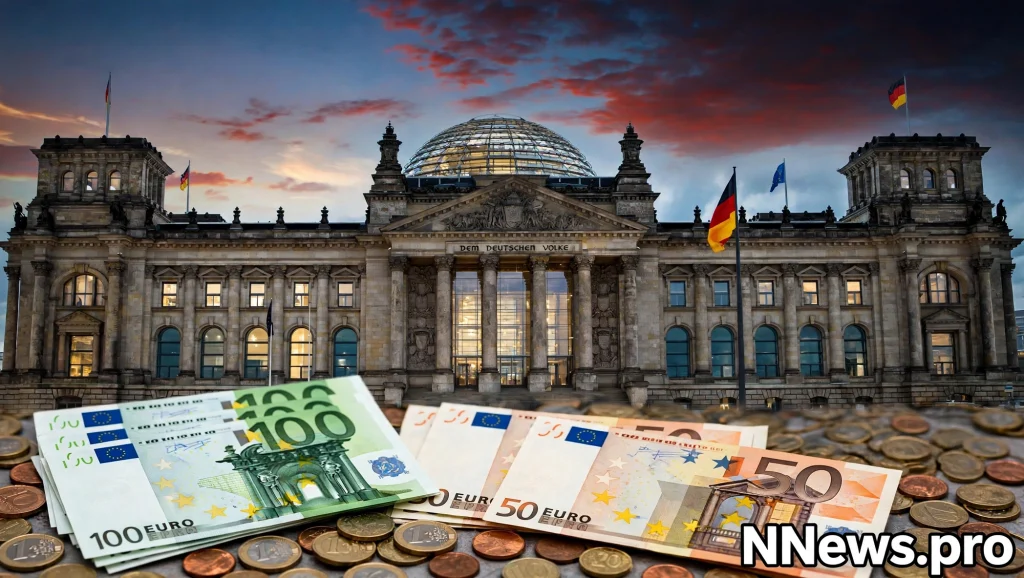
Germany’s budget committee has finalised the country’s 2027 federal budget, agreeing to more than €210 billion in new borrowing — the second-largest amount of new debt Berlin has taken on in a single year since World War Two.
The committee reached agreement in the early hours of Friday morning after weeks of negotiations inside Chancellor Friedrich Merz’s coalition, clearing the package for a vote in parliament. The deal proposes total spending of €561 billion, including €62 billion of investment spending, according to a budget document seen by Reuters.
Near-record borrowing
Total new borrowing will reach €210.4 billion (about $222 billion), just short of the record €215.4 billion borrowed in 2021 at the height of the COVID-19 pandemic, the figures showed.
About €123 billion of that borrowing will come from the core federal budget. The remainder is authorised under special measures agreed last year that allow greater spending on infrastructure and defence outside the normal borrowing limits.
The scale of the borrowing underlines how far Germany has moved from its traditionally cautious fiscal approach. For decades, Berlin prided itself on balanced budgets and a constitutional “debt brake” that tightly limited deficits. That era effectively ended last year, when the government agreed to ease the borrowing rules for defence spending and set up a €500 billion infrastructure fund.
Taxes dropped and cuts delayed
To secure agreement, the coalition dropped or delayed several measures that had been planned to help pay for the package. Late on Wednesday, coalition officials agreed to scrap a proposed tax on plastic packaging that the cabinet had approved in July, and to delay a tax on sugared drinks until 2028. A planned cut to the electricity tax championed by Merz was also delayed.
The coalition also rolled back plans to cut benefits for the children of low-income families, and dropped planned cuts to social security spending.
The compromises reflect the difficulty of reconciling the competing priorities of Merz’s conservative Christian Democrats and their centre-left Social Democrat partners, who joined forces after last year’s election. Merz has vowed a major push to strengthen Germany’s core infrastructure and rebuild its military after decades of underinvestment, but the two parties have disagreed sharply over how to pay for it.
Opposition attacks the deal
Opposition parties attacked the agreement as soon as it emerged, accusing the government of using accounting devices to hide the true scale of borrowing and of spending on basic income support.
“This is not sound budgetary policy, but a massive smokescreen,” Sebastian Schaefer, budget spokesperson for the opposition Greens, said in a statement. He accused the government of “brazen tricks” to conceal borrowing and spending.
Why this matters
Germany is Europe’s largest economy, and its fiscal choices ripple across the continent. The budget cements a historic shift toward debt-funded defence and infrastructure spending, driven by the war in Ukraine and pressure from NATO allies to spend more on security.
Under the cabinet plan approved in July, core military spending was set to rise by about a third to €109 billion in 2027, reaching €130.1 billion including support for Ukraine and other security spending, with €11.6 billion earmarked for Kyiv next year. The final committee figures for defence were not broken out in the initial reporting of the agreement.
Related Articles



The borrowing also comes as governments on both sides of the Atlantic run large deficits. The United States also reported a record October deficit of $404 billion this week, driven by surging spending and falling tariff revenue. Germany’s move shows that even Europe’s most fiscally cautious major economy now sees heavy borrowing as unavoidable.
Rising borrowing also carries a cost. Interest payments on German debt are projected to climb sharply in the coming years as the stock of debt grows, and the government will need to show that the extra spending delivers faster growth and a stronger military — the two outcomes Merz has promised.
Latest developments
With the budget committee’s agreement, the package is now free to be passed by parliament, with final approval expected before the end of the year. The coalition still has to resolve one open item: a universal cut to the electricity tax worth about €5 billion remains unfunded and has been referred to the coalition committee for a final decision.
The debate over how Germany pays for its ambitions is far from over. The coalition’s own budget document shows the tension at the heart of the deal: record borrowing to fund defence and infrastructure investment, while politically painful taxes and benefit cuts are pushed into the future.
Frequently Asked Questions
How much will Germany borrow in 2027?
Total new borrowing will reach €210.4 billion, the second-highest amount since World War Two. About €123 billion comes from the core budget, with the rest authorised under special funds for infrastructure and defence.
What is in Germany’s 2027 budget?
The package proposes €561 billion in total spending, including €62 billion of investment spending, with a heavy focus on rebuilding the military and modernising infrastructure after decades of underinvestment.
Why did Germany drop the planned plastic and sugary drinks taxes?
The coalition scrapped the plastic packaging tax and delayed the sugared drinks tax until 2028, along with delaying an electricity tax cut, to secure agreement between the Christian Democrats and the Social Democrats after weeks of negotiations.
When will the German parliament vote on the budget?
The budget committee’s agreement clears the package for a parliamentary vote, with final approval expected before the end of the year.
Germany’s 2027 budget now heads to parliament, where Merz’s coalition will need to defend the near-record borrowing against opposition charges that it is hiding the true cost of its spending plans. The vote will be the first full test of a fiscal strategy that has already reshaped Europe’s largest economy.
Sources: Reuters; Particle News; International Finance.