WHO Warns Respiratory Illnesses Surging in Gaza as Winter Floods Hit Displaced Families
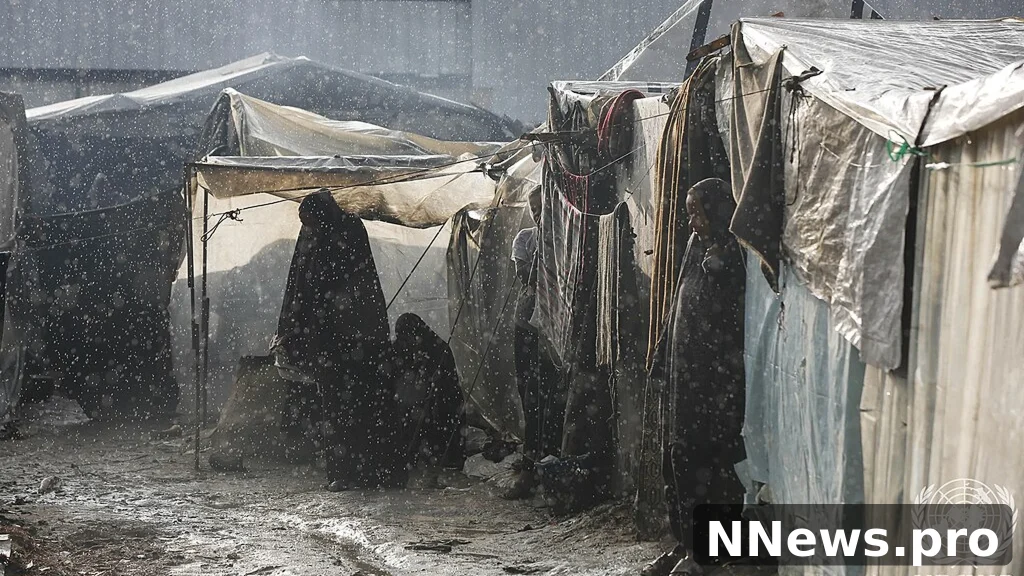
The World Health Organization warned on Friday that respiratory illnesses are surging across Gaza, and that the worst is yet to come as winter floods swamp the tents sheltering hundreds of thousands of displaced Palestinians.
Acute respiratory infections are already 33,000 cases higher than at the same time last year, according to the WHO, after heavy rains last weekend flooded tens of thousands of displacement tents. The agency said cold weather, flooding, overcrowded shelters and poor ventilation are expected to push the numbers higher still.
“The numbers already show the pressure,” Dr Reinhilde Van De Weerdt, the WHO representative in the Occupied Palestinian Territory, told reporters in Geneva from Jerusalem. “It is shocking that just a few days of rain really showed us what the coming months will bring. And winter has not even fully set in. The worst really is yet to come.”
Nearly a million people in flood-exposed areas
Respiratory infections now account for about 11 percent of all medical consultations in Gaza, the WHO said. Nearly one million displaced people are living in areas exposed to flooding, and 400,000 of them are in locations considered at extremely high risk.
The flooding has compounded an already severe shelter crisis. Torrential rain over the weekend of November 6-8 flooded at least 70,000 tents and affected more than 200,000 people, according to UNICEF, killing at least six people, including children. Aid workers reported families wading through ankle-deep water mixed with sewage, with mattresses and blankets soaked and children standing barefoot in mud.
The WHO said the flooding heightened the risk of contaminated water, while standing water gave mosquitoes and other pests more places to breed. Dampness encourages mould and bacteria that are major drivers of respiratory infections, especially in young children.
Overcrowding is driving the spread
Poor living conditions and severe overcrowding are driving infections up, the WHO said, as Gaza’s population is squeezed into an ever-smaller area. The crunch has worsened as the Israeli military expands its control by advancing the “yellow line,” a demarcation established under October’s US-brokered ceasefire.
“That means people are living in more crowded conditions, where of course the spread between humans of a virus is much more prone to spread,” Van De Weerdt explained.
The agency also warned that while most medicines are reaching Gaza, it faces difficulty getting laboratory supplies in, which it says are vital for diagnosing patients before they can be treated. “To prevent outbreaks, we really call to let laboratory equipment enter Gaza today, so that we can avoid a public health disaster on top of a disaster,” Van De Weerdt said.
Why this matters
Gaza’s health system was already stretched before the winter rains. With around 1.2 million people, including more than 560,000 children, living in critical or catastrophic shelter conditions, according to humanitarian agencies, a surge in respiratory illness threatens to overwhelm clinics that are short of diagnostic equipment and operating in flooded, overcrowded conditions.
Related Articles



The warning also lands amid a political deadlock over aid access. On Monday, the US-backed Board of Peace said Israel’s steps to improve the humanitarian situation ahead of winter remained insufficient, and 53 countries and organisations have demanded that Israel lift restrictions on aid crossings. The United Nations says roughly 150,000 tents and large stocks of winter supplies remain outside Gaza awaiting Israeli clearance, a claim Israeli authorities dispute, saying more than 91,000 tents have entered in recent months.
Latest developments
The Israeli military and COGAT, the Israeli military agency that coordinates aid, did not immediately respond to a Reuters request for comment on the WHO warning. Last week, COGAT said it had stepped up efforts to improve sanitary conditions before the heavy rain, in coordination with international organisations.
Aid teams have begun clearing blocked sewer lines and stormwater basins at 60 locations, benefiting an estimated 30,000 families, according to the UN Office for the Coordination of Humanitarian Affairs. But humanitarian agencies warn that available winter clothing covers less than 1 percent of needs, leaving hundreds of thousands of children facing the winter without adequate clothing, blankets or heating.
Frequently asked questions
How many respiratory infection cases has the WHO reported in Gaza?
Acute respiratory infections are about 33,000 cases higher than at the same time last year, the WHO said on Friday. Respiratory infections currently make up about 11 percent of all medical consultations in Gaza.
How many people in Gaza are at risk from flooding?
The WHO estimates that nearly one million displaced people live in flood-exposed areas, with around 400,000 in locations considered at extremely high risk. Heavy rain in early November flooded at least 70,000 tents and affected more than 200,000 people, according to UNICEF.
What is the WHO asking for?
The WHO is calling for laboratory equipment to be allowed into Gaza immediately so patients can be diagnosed before treatment, warning that without it the territory risks a public health disaster on top of the existing crisis.
The WHO’s warning underscores how quickly Gaza’s winter is turning a shelter crisis into a health emergency. With the coldest months still ahead, aid agencies say the coming weeks will test whether enough tents, heating supplies and medical equipment can reach the people living in the most exposed areas in time.
Sources
- Reuters (via Devdiscourse), “Respiratory illnesses rise in Gaza with worst to come as winter floods arrive, WHO says,” Nov 13, 2026 — Devdiscourse
- WBUR / WCMU Public Media, “What Palestinians in Gaza are experiencing as winter sets in,” Nov 13, 2026 — WCMU
- The Eastleigh Voice, “Humanitarian situation in Gaza worsens amid political deadlock,” Nov 14, 2026 — The Eastleigh Voice
- Reuters (via TradingView), “Respiratory illnesses rise in Gaza with worst to come as winter floods arrive, WHO says,” Nov 13, 2026 — TradingView