Bessent Publicly Blames Lutnick’s Commerce Department Over Nvidia Chip Exports to China
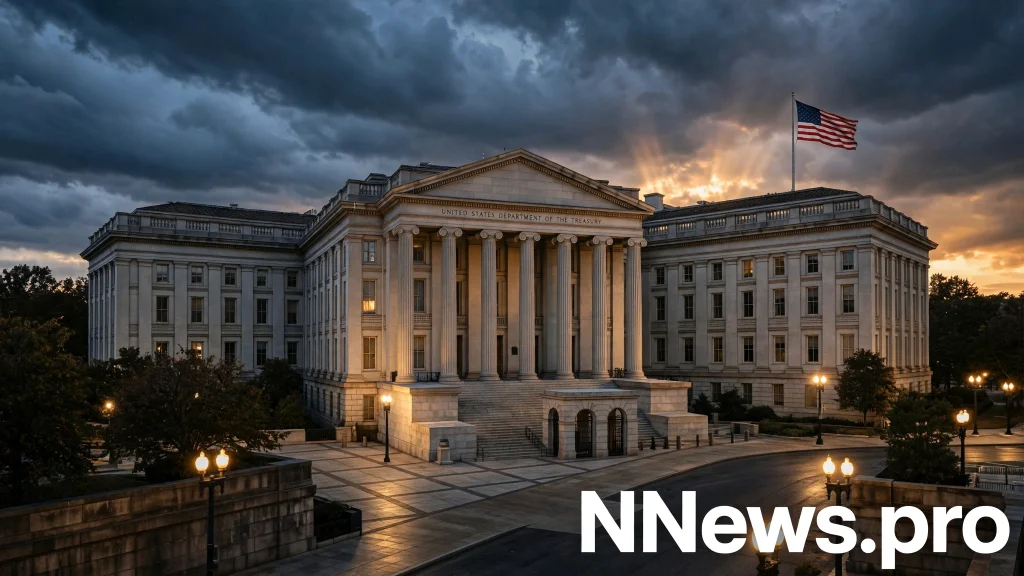
Treasury Secretary Scott Bessent publicly blamed the Commerce Department on Friday for failing to restrict exports of advanced Nvidia chips to a China-linked firm, exposing an unusually open rift inside the Trump administration days after Jensen Huang resigned as Nvidia CEO.
Speaking on CNBC’s “Squawk Box” on Friday morning, Bessent said four government departments had supported adding Singapore-based Megaspeed International to a U.S. export blacklist for months, but that Commerce, led by Secretary Howard Lutnick, controlled the process and had not acted.
“Treasury, State, Defense and the U.S. Trade Representative were in favor of putting Megaspeed on the entity list for months, but Commerce has the pen,” Bessent said. “You would have to ask them about their internal processes.”
A public split over the entity list
Megaspeed is a Singapore-based cloud computing firm and Nvidia customer at the center of a widening scandal over advanced American artificial intelligence chips reaching China. U.S. officials have long suspected the company of diverting Nvidia chips to Chinese buyers in violation of export controls. The Information has reported that at least $7 billion worth of Nvidia chips may have been funneled to Chinese companies through the firm. Megaspeed has denied illicit shipments and says it is cooperating with U.S. authorities.
Placement on the Commerce Department’s entity list would bar U.S. companies from selling to Megaspeed without a special license. Bessent said the failure to list the company frustrated him because it undercut a direct instruction from President Donald Trump.
“I am frustrated when President Trump made it very clear that China should not receive any Nvidia chips above H100s,” Bessent said. “And so any leakage is very frustrating because it hurts our great companies in the AI race, gives the Chinese an advantage.”
The Commerce Department did not immediately respond to requests for comment on Bessent’s remarks. His comments did not announce that Megaspeed had been added to the entity list.
The confrontation behind the criticism
Bessent’s on-air criticism followed days of private tension. CNN previously reported that Bessent challenged Lutnick in a tense Situation Room meeting last week over the department’s reluctance to blacklist Megaspeed. Asked about that meeting on Friday, Bessent said he would not repeat conversations held in the Situation Room.
The New York Times reported on Thursday that Lutnick had resisted stronger limits on sales of Nvidia’s more advanced chips to China, and that he had a close relationship with Huang, the ousted Nvidia chief executive. The Commerce Department oversees U.S. export controls on sensitive technology, placing it at the center of decisions about who can buy advanced AI hardware.
The dispute has also drawn in Congress. Lawmakers have demanded records from the administration, and Congress has summoned Huang and Lutnick to testify about Nvidia’s chip exports to China, with appearances expected in December. Some of Trump’s advisers have begun discussing whether Lutnick should be dismissed, according to people familiar with the conversations cited by CNN. The White House weighs pushing out Lutnick amid the scandal, a question that has only grown louder since Huang’s departure.
Why this matters
The public blame game matters because it shows the administration divided over one of its most consequential technology policies: keeping America’s most advanced AI chips out of Chinese hands. The entity list is the government’s main tool for doing that, and the delay in using it against Megaspeed has become a test of whether export controls work in practice or only on paper.
Related Articles

For Nvidia, the stakes are commercial as well as political. Jensen Huang resigned as Nvidia CEO on Thursday after 33 years at the company, following revelations of affairs including one with a businesswoman alleged to be a Chinese spy and an executive at Megaspeed. The board named an interim chief. Nvidia’s shares have fallen sharply since the scandal broke, and the company’s role in the affair is now the subject of congressional scrutiny.
For Lutnick, the pressure is personal. He has faced questions for weeks about his department’s handling of the Megaspeed case, and Bessent’s decision to air the disagreement on live television — naming the departments that wanted action and the one that held the pen — makes it harder for the White House to treat the dispute as a private policy difference.
Latest developments
Bessent’s remarks came as the investigation into Megaspeed continues. The Commerce Department had been investigating the firm over suspicions it was smuggling advanced Nvidia chips into China, and the probe has since been handed to the Justice Department. Nvidia’s general counsel is reported to have intervened in a Commerce Department probe into Megaspeed in late summer 2025, according to Bloomberg.
One complication for the administration’s position is that it explicitly authorized sales of Nvidia’s more powerful H200 chips to approved Chinese customers earlier this year, subject to licensing requirements. That policy sits uneasily alongside Trump’s instruction that China should receive no Nvidia chips above the H100 level, and Bessent did not address the apparent tension on Friday.
Frequently Asked Questions
What is Megaspeed?
Megaspeed International is a Singapore-based cloud computing company and a customer of Nvidia. U.S. officials suspect it of diverting advanced Nvidia AI chips to China in violation of American export controls. The company denies wrongdoing and says it is cooperating with investigators.
What is the entity list?
The entity list is a roster maintained by the Commerce Department of foreign companies that U.S. firms are barred from supplying with sensitive technology without a special government license. Adding a company to the list is one of the strongest tools Washington has to cut off access to American chips.
Why did Bessent blame Lutnick publicly?
Bessent said on CNBC that Treasury, the State Department, the Defense Department and the U.S. Trade Representative had favored listing Megaspeed for months, but that Commerce, which controls the process, had not acted. He said the delay frustrated him because it violated President Trump’s instruction that China receive no Nvidia chips above the H100 level.
What happens next?
Congress has summoned both Jensen Huang and Howard Lutnick to testify about Nvidia’s chip exports to China, with appearances expected in December. Lawmakers have also demanded administration records on the Megaspeed case. Whether Megaspeed is ultimately added to the entity list remains an open question.
The open question now is whether Bessent’s public criticism forces action on Megaspeed — or costs Lutnick his job. Neither the Treasury nor the Commerce Department has said whether the company will be listed, and the White House has not commented on the advisers’ discussions about Lutnick’s future. What is clear is that a disagreement the administration tried to keep behind closed doors is now playing out in public, with the fate of America’s most sensitive chip exports at stake.
Sources: CNBC, “Squawk Box,” November 13, 2026; CNN; Reuters; BBC; The New York Times; The Information; Bloomberg. NBC Palm Springs; NewsLooks; Gizmodo; Kobaran.