US Heating Bills to Rise 7% This Winter as Heating Oil Costs Jump 70%
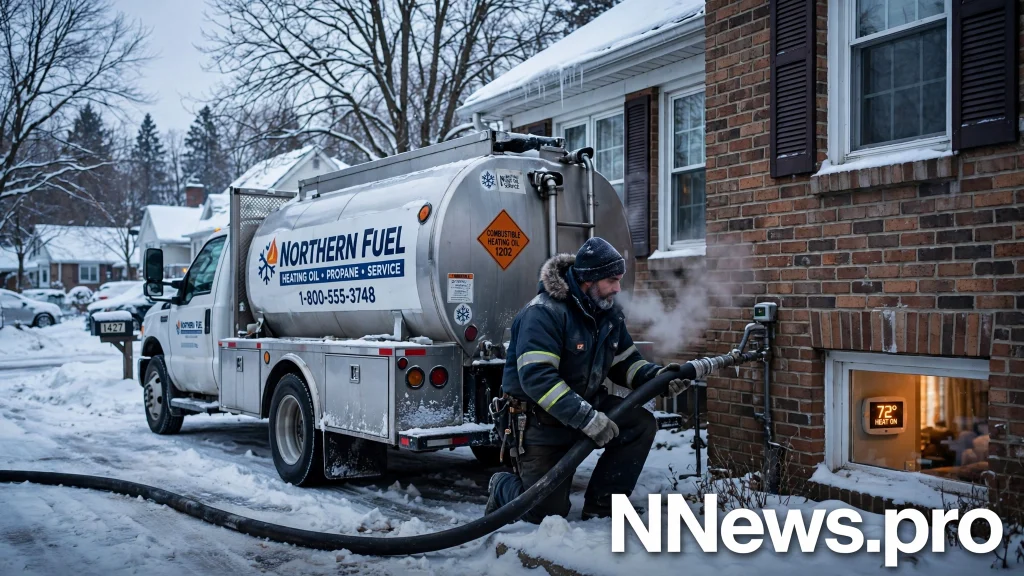
American households will pay more to stay warm this winter. The average U.S. household is projected to spend $1,002 on home heating during the 2026–27 winter season, a 7.1 percent increase — $66 more than last winter’s $936 — according to a new forecast from the National Energy Assistance Directors Association (NEADA), released this week. The national average hides a much sharper pain point: households that heat with oil face a projected 70.2 percent jump, to $2,977 for the season.
Heating Oil Users Face the Steepest Bills
Nearly 5 million American households heat with oil, mostly in the Northeast and Alaska. Their average seasonal bill is projected to rise from $1,749 last winter to $2,977 — an increase of more than $1,200. The Northeast, where oil heat is most common, is expected to see average heating bills rise 16.9 percent, or $221, from $1,311 last winter to $1,532.
Census data cited in the coverage shows about 59 percent of households in Maine and 43 percent in New Hampshire rely on heating oil. In Vermont, heating oil prices are already more than $2.50 per gallon higher than a year ago, according to the U.S. Energy Information Administration.
What Other Fuels Will Cost
The increases are not limited to oil. Electric heating costs are projected to rise about 6 percent, to $1,215 for the season, while propane bills are expected to climb roughly 5 percent, to $1,350. Natural gas is the exception: prices are expected to remain roughly flat compared with last winter.
The forecast lands as broader inflation remains elevated: wholesale prices rose 0.3% in October, with annual inflation running at 6.5 percent, its highest level in nearly four years.
Why Costs Are Climbing
NEADA and analysts link the surge to tighter global supplies of distillate fuels, driven in part by the ongoing war involving Iran in the Persian Gulf and uncertainty over oil shipments through the Strait of Hormuz. Refineries must also choose between producing jet fuel and heating oil, and that trade-off has squeezed heating-oil supplies.
“For planning purposes, we believe it is prudent to assume that heating oil prices will remain elevated throughout the winter heating season,” NEADA said in its forecast, according to coverage of the report.
Why This Matters
The increase comes as many families are already stretched. NEADA estimates that roughly one in six U.S. households are behind on their utility payments, owing about $23 billion in total. Executive director Mark Wolfe warned that higher heating costs will fall hardest on low- and middle-income families already coping with elevated prices for food, housing and gasoline.
Related Articles



The squeeze is not limited to the United States: India’s retail inflation hit 6.09% in October, breaching its central bank’s 6 percent limit.
Latest Developments
There is one modest offset: forecasters expect a relatively mild start to winter, driven by a strong El Niño pattern, which could limit heating demand somewhat — though experts say it will not fully offset higher fuel prices. Energy-assistance advocates are urging Congress to act on funding for heating aid, and consumer experts recommend households get furnaces checked, set smart thermostats to around 68 degrees, and ask their utility about payment plans and assistance programs.
Frequently Asked Questions
How much will the average American household pay for heating this winter?
The National Energy Assistance Directors Association projects an average of $1,002 for the 2026–27 winter season, up 7.1 percent — $66 — from $936 last winter.
Why are heating oil prices rising so much?
Tighter global supplies of distillate fuels, linked to the war involving Iran, uncertainty over shipments through the Strait of Hormuz, and refinery decisions about whether to produce jet fuel or heating oil.
What can I do if I cannot afford my heating bill?
Contact your utility about payment plans, check federal and state energy-assistance programs, and look for rebates through DSIRE.org and the ENERGY STAR Rebate Finder.
Staying warm this winter will cost more for nearly every American household — but for the millions who heat with oil, especially in the Northeast, the season ahead looks like the most expensive in years. The figures are projections, not bills already received, yet NEADA’s message is clear: plan for a more expensive winter.
Sources
- The Hill, “Heating costs set to rise 7 percent this winter, report says,” November 11, 2026
- New York Post, “Heating costs will surge this winter due to Iran war — with heating oil prices spiking as much as 70%,” November 11, 2026
- The Guardian (via TheBullPost), “Average US heating bills to rise 7% this winter nationwide – report,” November 11, 2026 — https://thebullpost.press/average-us-heating-bills-to-rise-7-this-winter-nationwide-report/
- National Energy Assistance Directors Association, November 2026 Winter Heating Forecast
- U.S. Energy Information Administration