Leaked Russian Data Shows 11,335 Foreign Fighters Killed in Ukraine War
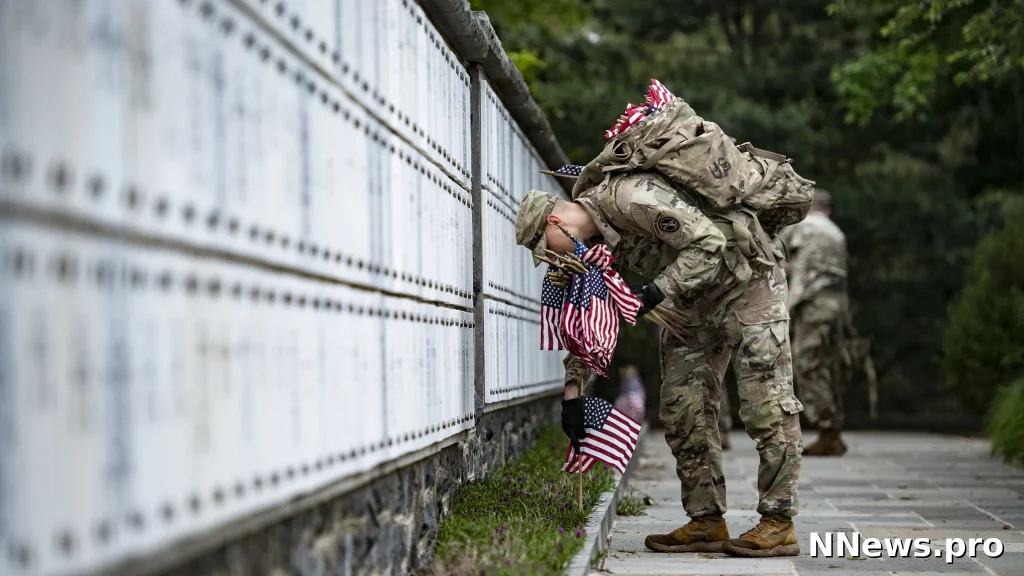
Russian authorities have registered the deaths of 11,335 foreign-born fighters in the war against Ukraine, according to confidential statistics from the country’s own state agency that were leaked by hackers and reviewed by Bloomberg. The dead came from nearly 100 countries — the clearest picture yet of how far Russia has gone to recruit men from abroad to sustain a war now in its fifth year.
The figures, published by Bloomberg on November 11, cover deaths recorded between February 24, 2022 — the day Russia launched its full-scale invasion — and late August 2026. They come from a cache of more than 11 million death certificates held by Rosstat, Russia’s federal statistics agency, obtained by the Belarusian hacking group Cyber Partisans and the Ukrainian hacker operation Silent Crow.
What the leaked records show
The 11,335 deaths were identified as war-related through official classification codes or wording in the records, including references to “military operation,” “shelling,” or “drones.”
The largest group by far came from the former Soviet Union. About 3,700 of the dead were Ukrainian citizens or were born in Ukraine after the country regained independence in 1991, most of them listed as living in Russian-occupied areas of eastern and southern Ukraine. Just over 6,000 of the foreign-born dead had obtained Russian citizenship before they died. Of the remainder, about 80 percent were born in other former Soviet states, particularly in Central Asia and Kazakhstan.
The yearly toll rose sharply as the war dragged on. The records show about 630 foreign war-related deaths in 2022, climbing to more than 5,500 in 2025 — an increase of more than eightfold that roughly tracks the rise in Russia’s overall war deaths.
Bloomberg earlier reported about 400,000 war-related deaths registered in the same database since the invasion. The Guardian, which also received the files, counted 412,576 death certificates explicitly tied to the conflict. Both figures are minimums, not final counts.
Recruitment waves moved across the map
Death records were concentrated among Nepali citizens in 2023 and 2024, then among citizens of Sri Lanka and China in 2024 and 2025, and from late 2025 among citizens of Colombia, Kenya, and Nigeria.
About 340 of the dead came from African countries, with most of those deaths recorded from 2025 onward. The largest African contingents were from Egypt, Cameroon, Nigeria, Kenya, and Ghana — a pattern that reflects Russia’s stepped-up recruitment in Africa as its losses mounted.
Ukrainian officials estimate that Russia has recruited between 28,000 and 46,000 foreign fighters from at least 59 countries, according to Dmytro Usov, secretary of Ukraine’s Coordination Headquarters for the Treatment of Prisoners of War. The leaked death records cover only those whose deaths were registered, so the true number killed is almost certainly higher than 11,335.
One striking gap: no North Korean fatalities appear in the dataset, even though North Korean troops have been officially confirmed to have fought alongside Russian forces and suffered losses.
How the data was obtained
Cyber Partisans and Silent Crow said on November 1 that they had breached Rosstat’s internal infrastructure, gaining access to about 25,000 computers and extracting some 23 terabytes of data, including information on Russian military losses. The groups shared the material with Bloomberg and a small group of other outlets.
Rosstat acknowledged days later that its systems had faced targeted cyberattacks between October 29 and November 1, but said it found no evidence that its databases had been compromised or that confidential information had leaked. The agency did not respond to Bloomberg’s request for comment on the contents of the documents.
Meduza and Mediazona, independent Russian news organizations that also gained access to the files, said they were still working to verify the material’s authenticity and completeness, including whether it had been deliberately altered. They cautioned that medical certificates, which form the basis of death certificates, do not always list the true cause of death, and that even Rosstat’s internal data do not include up-to-date information about people who are missing.
Related Articles
Iran Claims It Destroyed a US Early-Warning Radar in Bahrain in Retaliation for Sirik Attack
Ukraine Says Its Drones Hit Russian Warship in Gulf of Finland as Finland Confirms Strike Detected

Cargo Ship Strikes Tacony-Palmyra Bridge, Leaving It Stuck Open and Shutting a Key Philadelphia–New Jersey Crossing
The figures should be read as an authoritative estimate, not an official tally. The data are especially incomplete for 2026, because registering a serviceman’s death can take months or even years, and the dataset excludes missing soldiers and the wounded. Rosstat stopped publishing annual cause-of-death data in 2024, removing the regular public source that would otherwise allow the figures to be checked against official releases. The tally also does not establish how many of the 11,335 were front-line combatants — it mixes foreign citizens, naturalized Russians, and people born abroad who held Russian citizenship from birth.
Why this matters
The leak matters for two reasons. First, it quantifies a dimension of the war that Moscow has never publicly acknowledged: the extent to which Russia’s war effort depends on men recruited far beyond its own borders. Second, the shifting pattern of deaths — from Central Asia to Nepal, then to China and Sri Lanka, and now to Africa and Latin America — shows a recruitment machine that keeps moving to new countries as earlier pools dry up and losses grow.
The figures land as diplomacy around the war is moving again. The Abu Dhabi peace talks brought Russian and Ukrainian delegations together for the first direct U.S.-mediated round in nine months, and the second day of the Abu Dhabi talks ended with a large prisoner exchange under discussion but no breakthrough on territory. European leaders met in Dublin to demand a seat at the table, and U.S. envoys landed in Moscow for talks with President Vladimir Putin before flying on to brief Ukrainian President Volodymyr Zelenskyy.
Latest developments
The hacker groups have said they hold far more than the death records, and additional material from the breach may surface in the coming weeks. Meduza and Mediazona said their verification work continues, and further reporting based on the files is expected from the outlets that received them. For now, the 11,335 names in the leaked records stand as the most detailed public accounting of the foreigners who died fighting for Russia — a toll that, by every account from the groups and journalists who have seen the data, understates the real number.
Frequently Asked Questions
How many foreign fighters have died fighting for Russia in Ukraine?
Rosstat death records reviewed by Bloomberg list 11,335 foreign-born deaths in war-related circumstances from February 24, 2022, to late August 2026. The true total is believed to be higher: the data are incomplete for 2026 and exclude missing soldiers.
Which countries did the foreign fighters come from?
The dead came from nearly 100 countries. The largest groups were from former Soviet states, including about 3,700 Ukrainians. Recruitment waves later shifted to Nepal, Sri Lanka, China, and then Colombia, Kenya, and Nigeria, with about 340 deaths recorded among citizens of African countries.
How was this data obtained?
The Belarusian hacking group Cyber Partisans and the Ukrainian hacker operation Silent Crow said they breached Rosstat’s systems on November 1, extracting about 23 terabytes of data from roughly 25,000 computers, and shared it with Bloomberg and other outlets. Rosstat confirmed cyberattacks on its systems but denies any data leaked.
Can the figures be independently verified?
Not fully. Meduza and Mediazona, which also have the files, are still checking the material for authenticity and completeness. Treat the figures as an authoritative estimate based on leaked records, not an official tally.
The leaked Rosstat records do not end the argument over how many people have died in Russia’s war in Ukraine. They do put a number — and nearly 100 nationalities — on a part of that toll that had until now been counted only in fragments. As verification continues and more of the breached archive is examined, that number is likely to grow.
Sources: Bloomberg; Meduza; The Guardian; Kyiv Independent; UNITED24 Media.