Houthi Missiles Fired at Riyadh Intercepted as Saudi–Yemen Conflict Escalates

Saudi air defenses intercepted two missiles fired toward Riyadh early on Tuesday, the Saudi-led coalition said, in the latest escalation of a conflict that has spread from Yemen to the Saudi capital and the kingdom’s oil heartland.
The coalition said its defenses destroyed a ballistic missile and a cruise missile aimed at Riyadh. A second ballistic missile fired toward southern Saudi Arabia was also shot down, and a drone was intercepted over the kingdom’s oil-rich Eastern Province. No casualties were reported.
Shelter Alerts in the Capital
Residents of Riyadh received phone alerts in the early hours of Tuesday telling them to take shelter from an “aerial threat,” and several explosions were heard in the city, the French news agency AFP reported. Saudi Civil Defence later said the danger in the capital had passed.
Warnings were also issued for the southwestern cities of Abha and Khamis Mushait before being lifted. The coalition said the interceptions took place during a night of heightened military activity across Saudi Arabia.
The Houthis, the Iran-aligned group that controls much of northern Yemen, did not immediately claim responsibility for the missile and drone launches.
A Night of Strikes on Both Sides
The missile launches came hours after the Saudi-led coalition carried out airstrikes on Yemen’s Houthi-controlled capital, Sanaa. The Houthi-run Saba news agency reported that the strikes hit the al-Mufazir gas station in the Jadar district north of the capital and a building belonging to the state oil company in southern Sanaa. Saba later said civil defense teams were working to extinguish a fire in gas trailers at the al-Mufazir station.
Saudi authorities did not immediately confirm the reported strikes on Sanaa. The coalition also said it had destroyed three facilities in Yemen used to make ballistic-missile components and solid fuel.
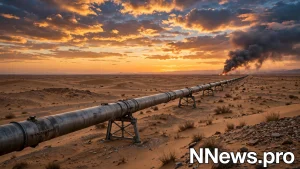
The exchange followed another attack a day earlier, when the East-West oil pipeline was hit again in the Medina region on Monday. An Energy Ministry official told the state news agency SPA that the strike caused a limited fire, which was put out, and that pipeline operations were not affected.
Why the Fighting Is Escalating Now
The latest launches come amid an escalation in hostilities between the Houthis and the coalition backing Yemen’s internationally recognized government, after the group advanced in September toward the Bab el-Mandeb Strait, a strategic shipping chokepoint at the southern entrance to the Red Sea.
The Houthis have since stepped up strikes on Saudi airports, ports and oil facilities, while Saudi Arabia has carried out airstrikes on Houthi targets in Yemen. The Eastern Province, Saudi Arabia’s economic powerhouse, has been hit repeatedly in recent weeks. It holds most of the kingdom’s oil and gas reserves and is home to the headquarters of oil giant Saudi Aramco, which suffered extensive damage in an attack in October.
Southern Saudi Arabia, which borders Yemen, has also repeatedly been hit by Houthi missile and drone attacks targeting military sites and energy infrastructure.
The pipeline carries crude to the Red Sea coast and has become a vital export route since Iran restricted shipping through the Strait of Hormuz during its war with the United States and Israel.
Related Articles


Why This Matters
The attack on Riyadh matters for reasons that reach well beyond Saudi Arabia. The kingdom is the world’s largest oil exporter and a key American ally, and any threat to its capital or its energy infrastructure can move global oil markets. Oil prices fell sharply on Monday after President Donald Trump said new strikes on Iran were unlikely, but a widening regional conflict could quickly reverse that.
The fighting also tests the fragile state of the wider region. Trump said on Monday that the war with Iran is effectively over militarily, yet the naval blockade continues and limited strikes have gone on. The Houthis are aligned with Iran, and their campaign against Saudi Arabia is a reminder that the region’s conflicts are connected — pressure in one place can surface as an attack in another.
For the United States, the escalation adds urgency to questions about air defense, shipping security in the Red Sea, and the safety of American personnel and interests across the Gulf.
Latest Developments
As of Tuesday morning, the picture remained incomplete. The Houthis had not commented on the launches, and Saudi authorities had not confirmed the reported strikes on Sanaa. No damage or casualties from the intercepted missiles had been reported, and civil defense agencies in Riyadh, Abha and Khamis Mushait had lifted their warnings.
What happens next is likely to depend on whether the Houthis claim the attack and whether the coalition continues its strikes on Sanaa. The pattern of recent weeks — Houthi attacks on Saudi energy targets answered by coalition airstrikes in Yemen — suggests the cycle is not yet broken.
Frequently Asked Questions
Were there any casualties in the Riyadh missile attack?
No. Saudi authorities reported no casualties, and the coalition said all of the missiles and the drone were intercepted before reaching their targets.
Who fired the missiles at Riyadh?
The Saudi-led coalition attributed the launches to Yemen’s Houthis, the Iran-aligned group that controls much of northern Yemen. The Houthis did not immediately claim responsibility.
Why is the fighting between the Houthis and Saudi Arabia escalating now?
Hostilities have intensified since the Houthis advanced toward the Bab el-Mandeb Strait in September. The group has stepped up strikes on Saudi airports, ports and oil facilities, while the coalition has answered with airstrikes on Houthi targets in Yemen, including in the capital, Sanaa.
Does this affect oil supplies?
Not directly so far. The pipeline attack on Monday caused only a limited fire and did not affect operations, and Tuesday’s missiles were intercepted. But repeated attacks on Saudi energy infrastructure raise the risk of disruption, which is why oil markets watch the conflict closely.
The overnight attack on Riyadh shows that a war that began in Yemen is now reaching the Saudi capital, its oil fields and its southern cities on a regular basis. Until either side breaks the cycle of strikes and counterstrikes, residents of Riyadh can expect more nights of shelter alerts — and the world’s oil markets can expect more uncertainty.
Sources:
- Reuters (via SRN News): https://srnnews.com/saudi-led-coalition-says-it-intercepts-two-houthi-missiles-fired-towards-riyadh/
- The Insight International (AFP reporting): https://theinsightinternational.com/saudi-air-defenses-intercept-houthi-missiles-fired-at-riyadh/