Senate Passes Deal to End Longest Government Shutdown in US History as House Vote Nears
Senate Passes Deal to End Longest Government Shutdown in US History as House Vote Nears
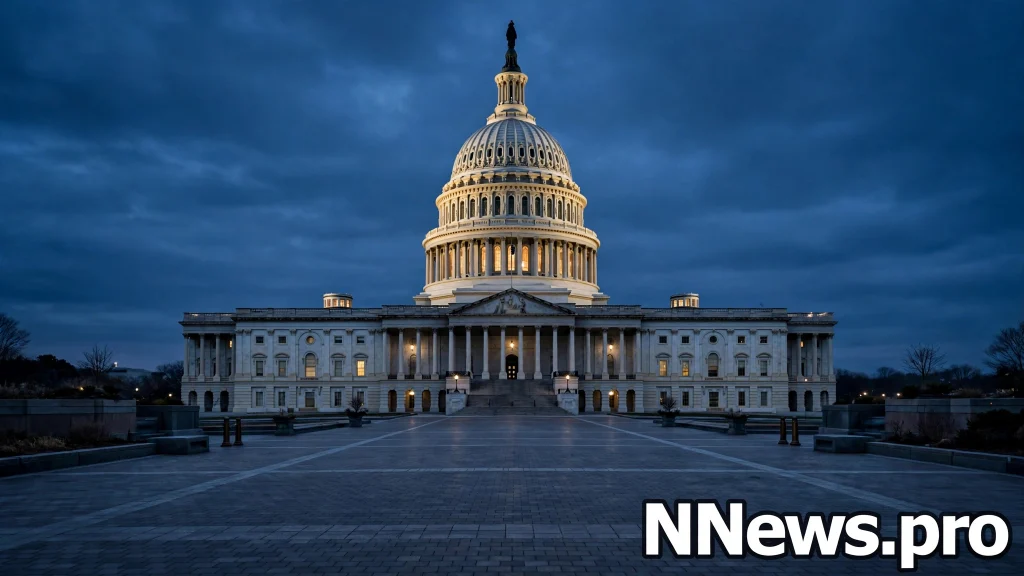
The United States Senate voted 60-40 late Monday night to pass a bipartisan funding package that would end the longest government shutdown in American history, sending the bill to the House of Representatives for a vote expected Wednesday evening. The shutdown, which began on October 1, has now lasted 42 days, leaving hundreds of thousands of federal workers unpaid, delaying food aid for millions of families, and disrupting air travel across the country.
The Senate vote broke a standoff that had lasted more than six weeks. Eight members of the Democratic caucus broke with their party’s leadership to support the package, giving it exactly the 60 votes needed to clear the Senate’s filibuster threshold. The government is not open yet: the bill still needs to pass the House, which has been out of session since September 19, before President Donald Trump can sign it into law.
How the Vote Broke Down
The eight Democrats who voted to reopen the government were Senators Dick Durbin of Illinois, John Fetterman of Pennsylvania, Maggie Hassan and Jeanne Shaheen of New Hampshire, Tim Kaine of Virginia, Catherine Cortez Masto and Jacky Rosen of Nevada, and independent Senator Angus King of Maine, who caucuses with the Democrats. Senator Rand Paul of Kentucky was the only Republican to vote against the package.
Senate Democratic leader Chuck Schumer voted against the deal, and most of his caucus opposed it. The split exposed a deep divide inside the Democratic Party over whether to keep holding out for health care concessions or to end a shutdown that was exacting a growing toll on federal workers, food assistance programs, and air travelers.
The deal was brokered over the weekend by Senate Majority Leader John Thune, Senate Appropriations Chair Susan Collins, Hassan, Shaheen, and King, working with White House negotiators. It came after a procedural vote on Sunday night first broke the weeks-long deadlock, clearing the way for final passage on Monday.
What Is in the Deal
The package uses the House-passed stopgap bill as its vehicle and combines it with three full-year spending bills. Most of the federal government would be funded through January 30, giving lawmakers about twelve more weeks to negotiate full-year spending bills. Three areas receive full-year funding through the end of the fiscal year on September 30: Agriculture, including the Food and Drug Administration; military construction and Veterans Affairs; and the legislative branch.
The full-year funding for those three bills matters most for two programs. It provides full-year funding for the Supplemental Nutrition Assistance Program, or SNAP, and for the Special Supplemental Nutrition Program for Women, Infants, and Children, known as WIC — the food aid that had been delayed for millions of families during the shutdown. It also fully funds the Department of Veterans Affairs.
The package also reverses the Trump administration’s firing of furloughed federal workers during the shutdown and guarantees back pay for workers who have gone without pay for more than a month. It also bans federal layoffs through January 30, a demand pressed by Senator Tim Kaine. The bill includes a one-year extension for remaining farm bill provisions that expired on September 30.
The One Big Thing Missing: Health Care
The one major issue the deal does not resolve is health care. It does not extend the enhanced Affordable Care Act premium tax credits that are due to expire at the end of December. Those subsidies help more than 20 million Americans pay for health insurance, and extending them had been the central demand of Senate Democrats throughout the shutdown.
As part of the bargain, Majority Leader Thune has promised a Senate vote on extending the subsidies no later than the second week of December. But the measure faces long odds in the Republican-controlled Senate, and House Speaker Mike Johnson has said he will not bring it to a vote in the House. Democrats who opposed the deal argued that giving up their leverage now leaves the subsidies with no realistic path to renewal before they expire.
Supporters of the deal countered that the shutdown itself had become unsustainable. The agreement, they argued, restores pay and food aid now while preserving a December vote on the subsidies — a better outcome than continuing a shutdown with no end in sight.
What Happens Next
The bill now moves to the House of Representatives, which has not been in session since September 19. Speaker Johnson has told lawmakers to return to Washington, giving them 36 hours’ notice, and has said he expects the bill to pass quickly. When the House reconvenes on Wednesday, it will be its first time in session in 54 days.
The House Rules Committee advanced the measure overnight, with all Republicans supporting it and all Democrats opposed, after a hearing that lasted more than six hours and ended shortly after 1 a.m. on Wednesday. The full House is expected to hold a final vote on Wednesday evening. President Trump has endorsed the legislation and is expected to sign it if it reaches his desk. “We’ll be opening up our country very quickly,” Trump said when asked if he backed the deal.
Related Articles


If the House passes the bill and the president signs it, the government could begin reopening within hours. But the end is not official until the House votes. Until then, the longest shutdown in American history is still running — and the funding cliff it creates will return on January 30, when the stopgap expires and Congress will face another deadline.
Why This Matters
The shutdown has been the longest in American history, surpassing the previous record of 35 days set during the 2018-2019 funding lapse. Its effects reached far beyond Washington. Hundreds of thousands of federal workers went unpaid for more than a month. Food assistance was delayed for millions of families. And air travel was disrupted nationwide as the Federal Aviation Administration ordered airlines to cut flights because of air traffic controller staffing shortages.
The Federal Aviation Administration ordered the cuts on November 5, requiring airlines to reduce domestic flights at 40 of the busiest airports. The cuts began at 4 percent on November 7, with more than 1,000 flights cancelled on the first day, and they rise to 6 percent on Wednesday, then 8 percent on November 13 and 10 percent on November 14 if the shutdown continues. About 13,000 air traffic controllers and 50,000 screeners have been working without pay.
The shutdown also complicated the economic picture. The October CPI report showed inflation running hotter than expected, and Fed officials have since opened the door to a half-point December hike. Markets have watched the shutdown closely: the Dow Jones Industrial Average staged its best day since April earlier this week as oil prices plunged, but the shutdown has kept uncertainty high for businesses and consumers alike.
For the millions of Americans who depend on federal services, the Senate vote is the first concrete sign that the impasse may finally be over. For Congress, it is only a pause: the January 30 deadline means another funding fight is already on the calendar.
Latest Developments
The House Rules Committee cleared the funding package in the early hours of Wednesday morning, and the full House is expected to vote on Wednesday evening. Speaker Johnson has said he expects the bill to pass with nearly all Republicans on board. The House has not voted since September 19, and Wednesday’s session will be its first in 54 days.
The Senate vote on Monday night was the breakthrough after weeks of failed attempts to pass a funding bill. The final tally was 60-40, with eight Democrats and one independent joining nearly all Republicans. Senator Rand Paul was the lone Republican opponent.
The FAA’s flight reductions step up to 6 percent on Wednesday. The agency has said the limits will stay in place for as long as the shutdown continues and will lift once Congress funds the government again.
Frequently Asked Questions
Is the government open now?
No. The Senate has passed the funding package, but the bill still needs to pass the House of Representatives and be signed by President Donald Trump before the government reopens. The House is expected to vote on Wednesday evening.
How long has the shutdown lasted?
The shutdown began on October 1 and has now lasted 42 days, making it the longest government shutdown in American history. The previous record was 35 days, set during the 2018-2019 funding lapse.
What does the deal do about health care subsidies?
It does not extend them. The enhanced Affordable Care Act premium tax credits, which help more than 20 million Americans afford health insurance, are still set to expire at the end of December. Senate Majority Leader John Thune has promised a Senate vote on extending them by the second week of December, but House Speaker Mike Johnson has said he will not bring the measure to a vote in the House.
When will federal workers get paid?
The package guarantees back pay for all federal workers, including those who were furloughed and those who worked without pay during the shutdown. Workers should begin receiving back pay once the government reopens and agencies process the payments.
The longest shutdown in American history is now one House vote away from ending. If the House passes the funding package on Wednesday evening as expected, and the president signs it, federal workers will be paid, food aid will resume, and flight cuts will begin to lift. But with funding running out again on January 30, and the health care fight unresolved, the relief may be temporary — and Congress will be back at the same table within weeks.










[…] case also lands in a crowded period for the president. The Senate has just passed a deal to end the longest government shutdown in US history, with a House vote expected on Wednesday evening, and Trump has questioned the honesty of the 2026 […]