NFL to Review Trade Deadline Rules After Several Deals Collapse in “Snafus”
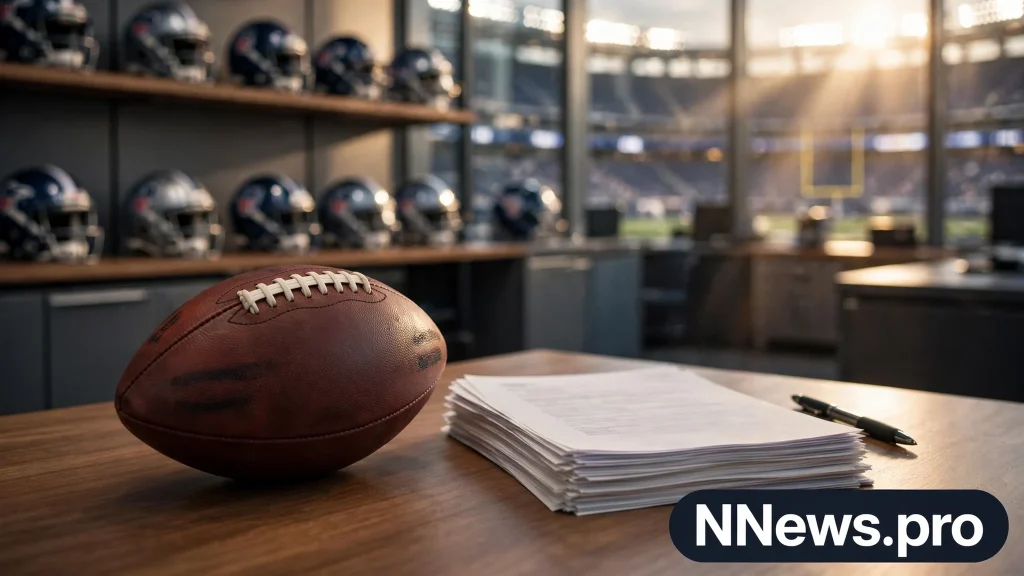
The NFL’s competition committee is expected to discuss potential changes to the league’s trade procedures after several deals around Tuesday’s trade deadline were voided or altered, according to ESPN’s Adam Schefter and NFL Network’s Ian Rapoport.
Rapoport reported Saturday on X that the committee plans to review the recent complications in hopes of preventing similar situations in the future. “The Competition Committee plans to look at the trade snafus with hopes of fixing it,” Rapoport wrote.
No specific rule changes have been announced. But the string of collapsed deals — involving the Cincinnati Bengals, Philadelphia Eagles, Detroit Lions, New York Jets, Denver Broncos and Los Angeles Chargers — has raised fresh questions about how the league handles trades that run into trouble after the deadline has passed.
The Bengals back out over a compensatory pick
The most notable incident involved the Bengals, who backed out of an agreement to acquire edge rusher Arnold Ebiketie from the Eagles in exchange for a 2027 sixth-round draft pick.
Cincinnati reportedly discovered after agreeing to the deal that completing it would cost the organization a projected third-round compensatory selection in the 2027 NFL Draft. The pick is tied to defensive end Trey Hendrickson, who left Cincinnati in free agency and signed with the Baltimore Ravens.
Rather than surrender the additional draft capital, the Bengals decided against finalizing the deal. The Eagles were unhappy that Cincinnati reneged on the agreement, according to reports.
The Broncos void the Henley trade after a physical
The Broncos also saw a deal fall apart after agreeing to acquire linebacker Daiyan Henley from the Chargers for a 2027 fourth-round pick and a 2028 fifth-round selection.
Denver raised concerns about Henley’s knee following his physical on Wednesday, the day after the 4 p.m. ET Tuesday deadline. The two sides discussed revised compensation, but ultimately failed to reach another agreement, and the trade was voided. Henley, 26, remained with Los Angeles despite Denver’s initial interest in acquiring him.
Schefter reported that “it is not uncommon for one team to have some medical concerns about a player while another does not. In this case, Denver had concerns about Henley following his physical.” Even then, the Broncos still wanted Henley, and the two teams discussed revised trade alternatives throughout the day. “In the end, no agreement was reached,” Schefter wrote.
Chargers general manager Joe Hortiz said the Broncos tried to use the player’s physical to get a lower price after the agreement was already in place. Chargers head coach Jim Harbaugh asked the NFL to look into the matter, according to EssentiallySports.
NBC Sports’ ProFootballTalk reported that the Broncos discovered an issue with Henley’s knee, described as arthritis, during the physical. The report noted that the Broncos were willing to proceed with revised terms — for something less than the originally agreed picks — rather than concluding that the physical had been failed and canceling the deal outright.
The Lions and Jets revise a deal
Meanwhile, the Lions and Jets revised the compensation involved in their trade for safety Andre Cisco after initially agreeing to terms. Detroit acquired the veteran defensive back from New York as part of its effort to strengthen the secondary.
The revised deal went through, unlike the Bengals and Broncos trades. But it added to a pattern of deadline agreements changing after the fact.
Why the current rules allow this
Under the NFL’s current procedures, teams can revise draft-pick compensation after the trade deadline if concerns arise during a player’s physical. However, teams cannot add another player or substitute a different player once the deadline has passed.
A league spokesperson confirmed the rule to ProFootballTalk: “We would permit them to change the pick compensation. They would not be able to add a player or trade a different player.”
That framework is what allowed the Broncos and Chargers to keep negotiating on Wednesday, the day after the window for making trades had closed. As ProFootballTalk put it, “The trade deadline is the trade deadline. Except when it’s not the trade deadline.”
The latest incidents follow another high-profile trade that fell apart during the offseason involving Las Vegas Raiders defensive end Maxx Crosby. The Raiders agreed to send Crosby to the Baltimore Ravens before the deal was voided after the star pass rusher failed his physical.
Related Articles

In that case, the Ravens concluded the physical had been failed and canceled the deal. The Broncos, by contrast, had medical concerns about Henley but not enough to reject the player outright — and the attempt to renegotiate the price instead of walking away is what turned the situation into a dispute.
What happens next
The competition committee is the league’s primary advisory body for reviewing playing rules, safety standards and competitive fairness. According to Schefter and Rapoport, it will evaluate specific fixes before the next league year.
Any change would need to be agreed by the league and approved by the teams. For now, no proposal has been made public, and the committee’s expected discussions could address how the league handles post-deadline medical findings and compensatory-pick calculations.
The deadline itself produced plenty of completed business. Kirk Cousins returned to Minnesota in a trade with the Las Vegas Raiders, the Jacksonville Jaguars went all-in on defense, and the Kansas City Chiefs added receiver Josh Downs. Ten trades were completed over the final two days before the deadline, according to NFLTradeRumors.
But the deals that did not go through may prove just as consequential. The NFL will evaluate the recent trade issues as teams move forward with their rosters for the remainder of the 2026 season — and the competition committee’s review could reshape how future deadlines work. The league is also dealing with other off-field issues this week, including an independent review of Jalen Hurts’ blood clots ordered after a U.S. senator raised questions about the Eagles’ handling of the injury.
Why this matters
The trade deadline is one of the most important dates on the NFL calendar, and teams plan for it for months. When agreed deals collapse after the deadline, it can leave buyers short-handed and sellers stuck with players they expected to move.
The Henley case also raises a competitive-fairness question: whether a team can use a physical to renegotiate a price after the deadline, when the other team has no alternative buyer. The Chargers, who were widely expected to be sellers, lost the draft picks they would have received. The Broncos, meanwhile, lost the linebacker they wanted.
How the league answers that question will shape the next deadline — and how much teams can trust an agreement once the clock runs out.
Frequently Asked Questions
Why did the Daiyan Henley trade fall through?
The Broncos and Chargers agreed to send Henley to Denver for a 2027 fourth-round pick and a 2028 fifth-round pick, pending a physical. Denver raised concerns about Henley’s knee after the physical, the teams discussed revised compensation, and they could not agree on new terms, so the trade was voided.
Why did the Bengals back out of the Arnold Ebiketie trade?
Cincinnati agreed to acquire Ebiketie from the Eagles for a 2027 sixth-round pick, then discovered the deal would cost the Bengals a projected 2027 third-round compensatory pick tied to Trey Hendrickson’s departure in free agency. The Bengals decided against finalizing the deal rather than lose the extra draft capital.
What is the NFL competition committee reviewing?
The committee is expected to discuss potential changes to trade procedures after several deals were voided or altered around the Nov. 10 deadline. No specific rule changes have been announced, and any change would need league and team approval.
Can teams change a trade after the deadline?
Under current rules, teams can revise draft-pick compensation after the deadline if medical concerns arise during a player’s physical, but they cannot add another player or substitute a different player once the deadline has passed.
Sources: Yardbarker/ClutchPoints; NBC Sports ProFootballTalk; Bleacher Report; EssentiallySports; Detroit Sports Nation — reporting by ESPN’s Adam Schefter and NFL Network’s Ian Rapoport.