Hoax Bomb Threats Hit 6,300 Schools in Italy and Hundreds More Across the UK and Ireland
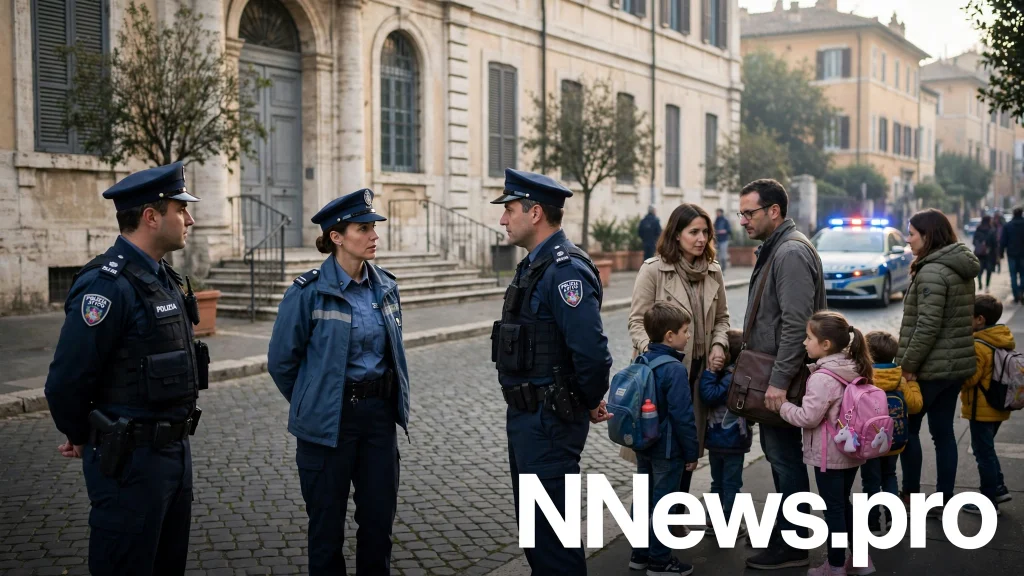
Thousands of schools across Europe were thrown into disruption on Wednesday, November 11, after emailed bomb threats reached about 6,300 schools in Italy and hundreds more in the United Kingdom and Ireland. At least 300 Italian schools were evacuated as a precaution. Authorities in all three countries said there was no credible danger, and no injuries or explosive devices were reported.
Hundreds of Italian Schools Evacuated
Italy’s Education Ministry said the threatening email reached about 6,300 schools across the country, from Rome to Friuli in the north and Basilicata in the south. Education Minister Giuseppe Valditara said at least 300 buildings were evacuated, and the number could rise as checks continued.
Schools closed swiftly after the warnings arrived, and many parents dropped what they were doing to collect their children. “My daughter Dafne started crying because the kids did not understand what was happening, and she was still shaken when I picked her up,” Nensi Bego, a parent at the Mazzini middle school in Rome, told Reuters. “This is so annoying. It’s obvious it’s just a hoax that disrupts lessons and disrupts everyone’s day.”
One school in Rome told parents through a messaging app: “All students have been taken to a safe area and remain under the supervision of teaching staff.”
Similar emails reached schools in Scotland, Northern Ireland and the Republic of Ireland. About 470 schools in Scotland and around 300 in Northern Ireland received the threat, along with about 400 schools across Munster and others in Dublin. Police in those countries treated the messages as hoaxes and, for the most part, did not ask schools to evacuate. Police Scotland said its inquiries found “nothing to suggest a credible threat to the schools or the wider public.”
Who Sent the Threats
A copy of the message seen by Reuters was signed “Mikhail Andropov, leader of the Vilayat of Misoginistan,” and also included a threat to target Italian Prime Minister Giorgia Meloni. The email was sent from a compromised account at Taiwan’s Daye University, according to the report. The same purported author claimed responsibility for email bomb threats sent on Friday to newsrooms in Ireland and Bulgaria.
No perpetrator has been confirmed, and investigators have not established who is behind the messages or what their motive is.
Meloni said the alerts posed no danger and that police and other public bodies were monitoring the situation. She convened an emergency meeting with her Cabinet, secret services and cybersecurity experts on Wednesday.
Italian Defence Minister Guido Crosetto said the threats were part of a clear strategy “to spread fear and create anxiety,” according to the Adnkronos news agency. He also cautioned that the sender was not necessarily a foreign actor. “It is not always the work of foreign countries or hostile entities. There are also attention-seekers and lunatics who, at a time like this, cannot wait to unleash terror in a city or a region,” he said.
Antonello Giannelli, head of the Italian School Principals Association, said the alerts were upsetting for students, families and staff. “Even though today’s threats are clearly hoaxes, we cannot underestimate the consequences of incidents that alarm entire school communities and disrupt the normal conduct of educational activities,” he said.
Part of a Wider Pattern of Disruption
Reuters described the school emails as the latest in a series of threats and cyberattacks across Europe against supermarkets, blood banks, air traffic and broadcasters. At least a dozen flights were diverted or escorted by military aircraft after similar threats in recent days.
France summoned Iran’s ambassador on Tuesday after accusing Tehran of a cyberattack that disabled refrigerators in hundreds of supermarkets last week. Iran rejected those accusations as “baseless and hostile.”
Related Articles



Some European officials suspect Russia may be behind a campaign of disruption against countries supporting Ukraine in the war in Ukraine. Russia denies that and accuses the West of a smear campaign. Investigators have not established that the school threats, the flight alerts and the supermarket attacks are connected or part of a coordinated campaign.
The school alerts also came less than 10 days after a similar barrage of threatening emails reached more than 270 Italian schools on November 2, including institutions in Rome.
Why This Matters
The disruption shows how cheaply everyday life can be thrown off balance. A single email, sent to thousands of addresses at once, forced evacuations, closed classrooms, pulled parents from work and tied up police across three countries — all without a single real device.
For European governments, the episode is another test of how to respond to grey-zone pressure: threats that stop short of violence but are designed to sow fear and erode trust. The disruption comes during a tense week across Europe, as Spain’s first general strike in 14 years also brought millions onto the streets over housing costs.
For the United States, the pattern is a warning as well. American schools have faced their own waves of emailed threats in recent years, and the European episode shows how a coordinated campaign can cross borders in hours. How European investigators trace the messages — and whether they can identify the sender — will shape how other countries prepare for the next one.
Latest Developments
Italian authorities said checks found no evidence of a concrete danger, and schools resumed normal activity after the evacuations. Police in the UK and Ireland said they were continuing inquiries into the messages, and Italian officials said they were treating the incident as most likely a cyberattack rather than a genuine risk.
No arrests have been reported. The key questions now are whether the sender strikes again, whether investigators can trace the compromised email account to its source, and whether the threats are linked to the wider wave of disruption hitting European infrastructure.
Frequently Asked Questions
Were the bomb threats real?
No. Authorities in Italy, the United Kingdom and Ireland said there was no credible danger. No explosive devices were found, no injuries were reported, and police in all three countries treated the messages as hoaxes.
How many schools were affected?
About 6,300 schools in Italy received the email, and at least 300 were evacuated. Around 470 schools in Scotland, about 300 in Northern Ireland and about 400 across Munster, plus schools in Dublin, received similar messages.
Who sent the threats?
That is not known. The email was signed “Mikhail Andropov, leader of the Vilayat of Misoginistan,” and was sent from a compromised university account in Taiwan. The identity and motive of the sender have not been confirmed.
Is this connected to other attacks in Europe?
That has not been established. Officials note the school threats are the latest in a series of threats and cyberattacks across Europe, including flight diversions and a supermarket refrigeration attack in France, but investigators have not confirmed a connection between them.
Schools across Italy, the UK and Ireland reopened after the evacuations, and the investigation into who sent the threats continues. The episode ended without injuries — but it showed how quickly a single email can shut down classrooms across a continent.
Sources: Reuters (via Bytes Europe) — ZeroHedge — EuropeSays — WorldAttention