COP31 Opens in Antalya With Call to Turn Climate Promises Into Action
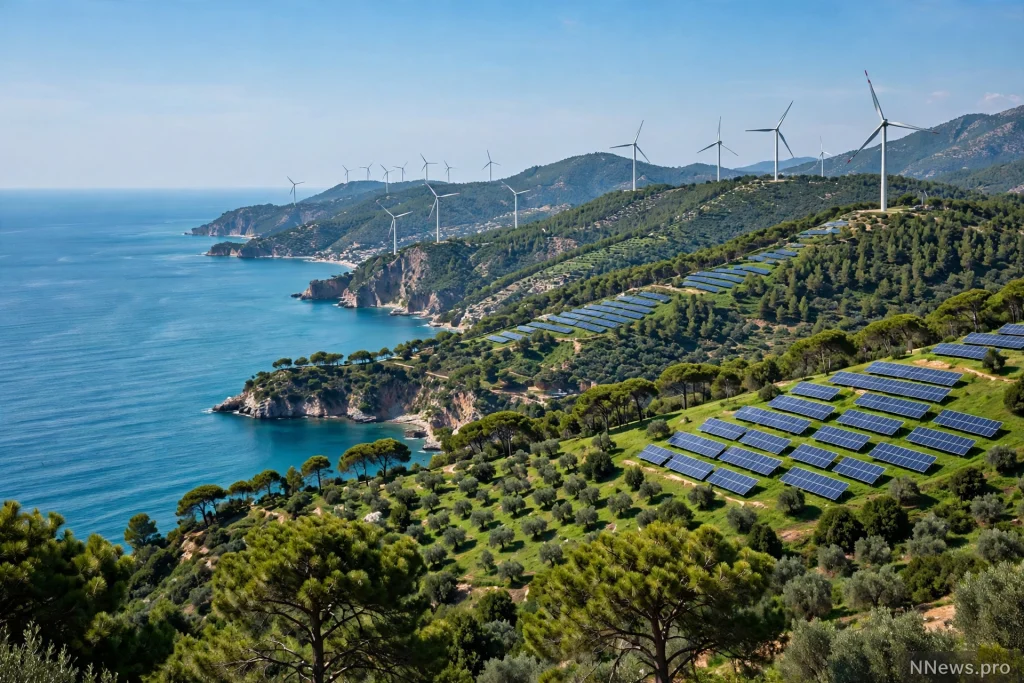
ANTALYA, Türkiye — The COP31 climate talks opened on Monday, November 9, in the Mediterranean resort city of Antalya, with nearly 200 countries gathering for two weeks of negotiations aimed at turning decades of climate promises into concrete action.
The summit, the 31st Conference of the Parties to the UN Framework Convention on Climate Change, runs until November 20 at the Antalya Expo Center. More than 90,000 people are expected to attend.
The opening ceremony began an hour and a half late without explanation, and the talks opened with an early dispute over money, as UN Secretary-General António Guterres urged leaders to “get serious” after a year of devastating weather extremes.
A Year of Extremes
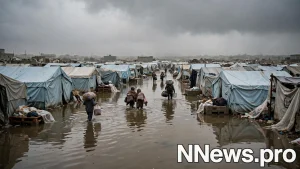
The summit comes after a year of punishing heatwaves in Europe, major wildfires in Indonesia and catastrophic floods in Nepal, with a strong El Niño fuelling more climate chaos.
The World Meteorological Organization’s State of the Climate Update 2026, released on the summit’s opening day, showed that the past 12 years have individually been the warmest on record, with the past four years the top four. The WMO ranked 2026 among the four hottest years ever recorded.
An Unusual Shared Presidency
Türkiye is hosting the summit for the first time. Environment Minister Murat Kurum officially took the gavel as COP31 President, while Australia’s Climate Change and Energy Minister Chris Bowen will oversee negotiations under an unusual co-presidency arrangement agreed during COP30 in Belém, Brazil.
“Our decisions must take shape in a city’s infrastructure, on a farmer’s land and along a factory’s production line. Families must feel their impact in lower energy bills,” Kurum told delegates.
Bowen announced plans to develop a presidency-led decision throughout the conference, rather than waiting until its final days, aiming to agree on practical measures to accelerate climate action.
“Progress Is Nowhere Near Far Enough”
UN Climate Change chief Simon Stiell told the opening plenary that countries must move beyond setting targets and “supercharge solutions” that can make a difference on the ground.
Related Articles
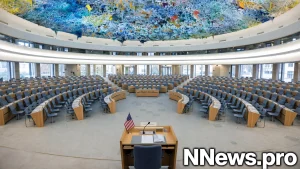

“Progress is nowhere near far enough or fair enough,” Stiell said. “No COP is a silver bullet. No single conference can bridge the chasm between the science and reality.”
Finance is expected to be one of the toughest issues, with developing countries pressing for faster access to funding for adaptation and cleaner development. Negotiators must also advance agreements on emissions reductions and a just transition.
Health, Food and Farming in Focus
Monday was also Food, Agriculture and Health Day, bringing attention to the growing toll of climate change on human health. According to the World Health Organization, between 3.3 and 3.6 billion people live in areas highly vulnerable to climate change.
“The main character at the center of this story is not the atmosphere. It’s not the land, the ocean or the ice. It’s us. You and me, our family and our communities,” Alan Dangour of the Wellcome Trust said during a press conference by the World Meteorological Organization.
Food and agriculture account for roughly a third of global greenhouse gas emissions and are highly vulnerable to rising temperatures, drought and floods. In Bolivia, a severe drought has prompted the government to declare a national emergency, with more than 75,000 head of livestock dead and over 114,000 families affected, according to official figures.
What Happens Next
A separate World Leaders’ Summit is scheduled for November 11 and 12, bringing heads of state and government to Antalya. Negotiators will spend the two weeks working toward a political agreement on finance, clean energy and adaptation — with Australia pushing for an early deal rather than a last-minute compromise.
Whether COP31 lives up to its billing as an “implementation COP” will be judged by what changes on the ground — in energy bills, on farms and in communities already living with a warming climate.