Opinion: Democrats’ Midterm Sweep Changes Everything — and Nothing Yet
This is an opinion and analysis piece. It is based on the verified election results reported below; the judgements about what they mean are the author’s.
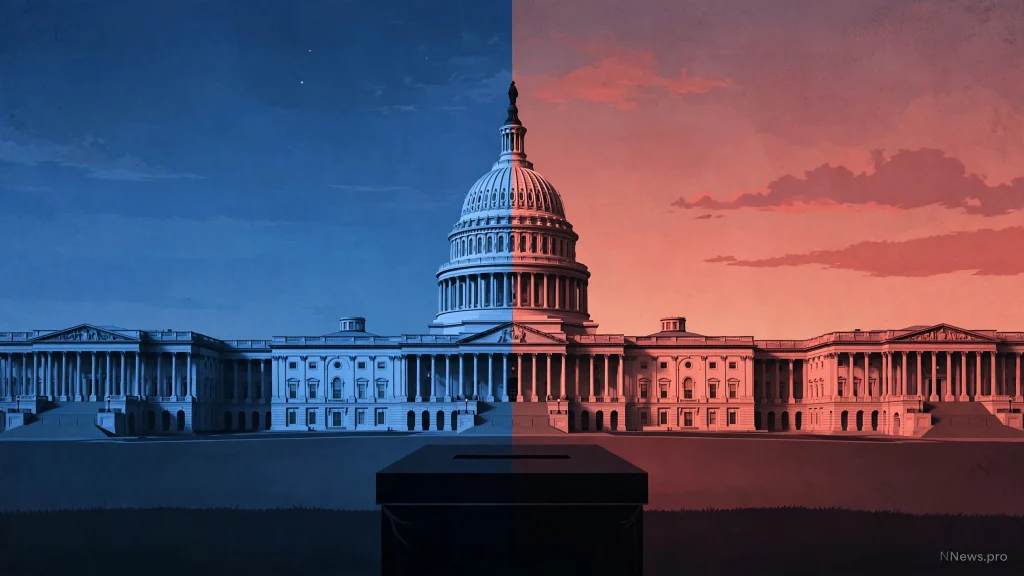
The 2026 midterm elections, held on Tuesday, November 3, delivered the clearest verdict American voters have given in years: Democrats won control of both chambers of Congress. All 435 House seats and 35 of the Senate’s 100 seats were contested, along with governors’ races in 36 states. The scale of the result, rather than the fact of a midterm loss for the party in power, is what makes this election different.
According to the Associated Press tally reported by Al Jazeera on November 4, Democrats had won 228 House seats and were leading in 34 others, meaning they could finish with more than 260 seats — their strongest House position since 1990, when they won 267. They had already flipped 25 House seats. In the Senate, Democrats had won 54 seats and were leading in another, against 44 for Republicans. A party needs 51 seats to control the Senate. After the 2024 elections, Republicans held 53 Senate seats to the Democrats’ 47, and 220 House seats to 215.
A win built in Republican territory
Democrats flipped Senate seats in Texas, South Carolina, Iowa, Michigan, Kansas, North Carolina and Ohio — several in states that had not elected a Democrat to the Senate for decades. In Texas, James Talarico defeated Attorney General Ken Paxton, the first Democrat to win statewide office there since 1994. In Kansas, Adam Hamilton defeated incumbent Roger Marshall, the first Democrat to win a Senate seat in the state since 1932. In South Carolina, Annie Andrews won a seat Democrats had not held since 1998.
There were historic firsts elsewhere, too. Abdul El-Sayed became the first Muslim elected to the US Senate, winning in Michigan. Juliana Stratton’s win in Illinois means three Black women will serve in the Senate at the same time for the first time. Democrats also took the governors’ tally to 28 against 20 for Republicans. This was not a narrow, coastal victory. It ran through places where Democrats were supposed to lose.
Related Articles



President Donald Trump, who had urged voters to treat the election as a referendum on him, acknowledged the result plainly. Speaking to Fox News, he said: “I think the Democrats did a good job. I really do. I think they did a good job. They fought hard.” He added that there was a “mood in the air” and said, “I shouldn’t feel guilty.”
What divided government will — and will not — do
Winning Congress is not the same as governing. The new Congress will not be sworn in until January 3, 2027. Until then, the current Congress remains in place, and a continuing resolution funding the government expires on December 11, 2026. Democrats’ leverage is real but not immediate.
Once they take control, the most predictable change is that the president’s legislative agenda will stall. A Democratic House and Senate can block bills, shape spending, and use hearings and subpoena power to investigate the administration. That is the ordinary machinery of divided government, and it is likely to dominate the next two years.
What is less certain is whether Democrats can turn a negative verdict into a positive programme. Voters spoke about the cost of living, fuel prices and the war with Iran. A majority built on discontent must now produce results on those issues, or it will dissolve just as quickly.
Democrats have won the power to check the president. The harder task begins in January: proving they can use it to govern, not merely to obstruct. If they do, this midterm will be remembered as a turning point. If they do not, it will be remembered as a protest vote that changed the balance of power and little else.