FDA Orders Vision-Loss Warning on Ozempic, Wegovy, Mounjaro and Zepbound Over Rare Eye Condition
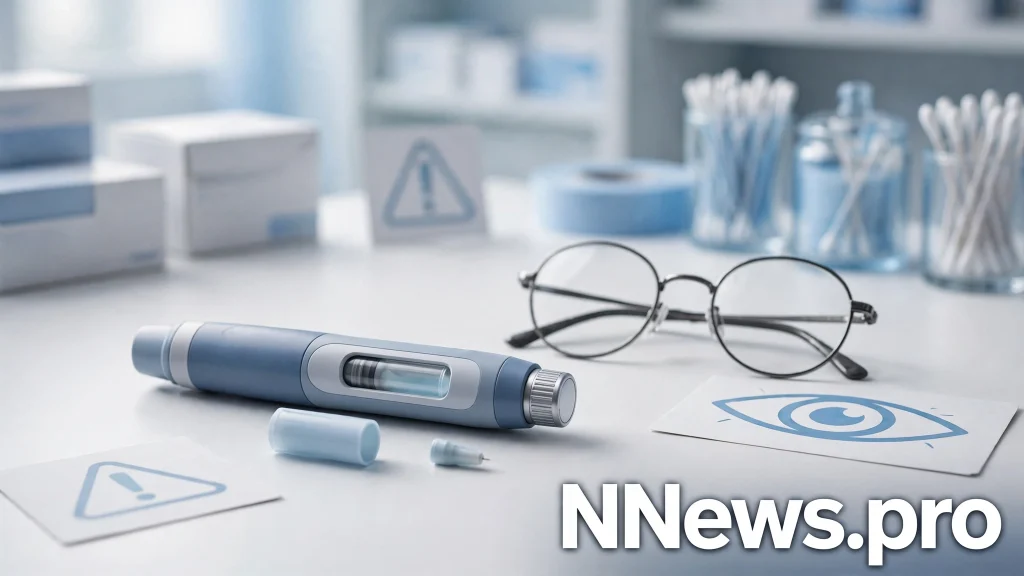
The U.S. Food and Drug Administration on Monday ordered makers of every GLP-1 weight-loss and diabetes drug sold in the United States — including Ozempic, Wegovy, Mounjaro and Zepbound — to add a warning about a rare eye condition that can cause sudden and potentially permanent vision loss.
In a drug safety communication issued November 9, the agency said it is requiring the drugs to carry information about a potential increased risk of non-arteritic anterior ischemic optic neuropathy, known as NAION, in the Warnings and Precautions section of their labels. The action covers the entire drug class, not a single product, and it is a labeling change — not a recall. The medicines remain approved, and doctors can continue to prescribe them.
NAION occurs when blood flow to the front of the optic nerve drops. The FDA describes it as “a rare condition that can result in acute, painless, decreased vision in one eye, including permanent vision loss.” The underlying cause is not completely understood, the agency said.
What the FDA found
The FDA said it reviewed clinical trial data, animal studies, and post-marketing reports, including observational studies and case reports, before ordering the label change. The review began after a July 2024 study in JAMA Ophthalmology examined the risk of NAION in patients prescribed semaglutide, the active ingredient in Ozempic and Wegovy. The FDA said it found “several limitations” in that study but decided the potential risk needed a closer look.
The agency pooled data from 126 randomized controlled trials involving 134,253 patients. Reviewers identified 15 probable cases of NAION: 10 among patients taking GLP-1 drugs and five among patients on a placebo. The reported rates were 6.4 events per 100,000 person-years in GLP-1 recipients, compared with 3.8 per 100,000 person-years in comparison groups.
The FDA also said NAION cases have been reported with every GLP-1 product currently on the market. The warning will apply to about a dozen injectable and pill-based products, including Ozempic, Wegovy and Rybelsus (semaglutide); Mounjaro and Zepbound (tirzepatide); Victoza and Saxenda (liraglutide); Trulicity (dulaglutide); the combination products Xultophy and Soliqua; and Foundayo (orforglipron), which was approved in 2026.
A risk regulators have been watching for years
The FDA’s decision follows more than two years of growing scrutiny of a possible link between GLP-1 drugs and NAION. The 2024 JAMA Ophthalmology study, led by researchers at a major academic neuro-ophthalmology center, was the first to report a higher rate of the eye condition among semaglutide users. A larger study published in 2025 tracked nearly 175,000 diabetic patients treated with semaglutide and an equal number taking non-GLP-1 medications. It found that the risk of NAION more than doubled after two years of treatment with a GLP-1 drug, compared with diabetes medicines from other classes.
European regulators moved first. In June 2025, the European Medicines Agency’s safety committee concluded that NAION was a very rare side effect of semaglutide medicines, saying it may affect up to 1 in 10,000 people taking semaglutide for at least one year. That was the first time a regulator had confirmed the side effect. In Denmark, four patients who experienced vision loss after using Novo Nordisk’s GLP-1 drugs were granted compensation by the Danish Patient Compensation authority last year.
The FDA’s action now brings the U.S. label in line with the European position — and extends the warning beyond semaglutide to the whole GLP-1 class.
What patients should watch for
The FDA listed the symptoms of NAION as sudden, painless vision loss in one eye that patients may notice when they wake up; blurred or missing parts of vision, such as blind spots or tunnel vision; distorted colors; and reduced central sharpness. Sudden vision loss requires emergency assessment, even without pain, and patients who notice these symptoms should seek care immediately and tell their doctor they take a GLP-1 drug.
Risk factors for NAION may include smoking, diabetes, high blood pressure, sleep apnea, anemia and kidney disease, according to the FDA — several of which are common among people prescribed GLP-1 medicines. The agency has not told patients to stop taking their medication. The warning is meant to make sure patients and doctors recognize the symptoms early, when the damage is already often done.
That point matters because the vision loss NAION causes is usually not reversible. Dr. Joseph Rizzo, a neuro-ophthalmologist who co-authored the 2024 paper that first tied NAION to semaglutide, told CBS News that the vision loss tends to be irreversible and can worsen even after a patient stops the drug.
Drugmakers push back on causation
Both major GLP-1 manufacturers responded to the FDA’s announcement by questioning whether the drugs cause the condition.
“Novo continues to believe the data do not establish a cause-and-effect relationship and we remain confident in the benefit-risk profile of our GLP-1 medicines,” a spokesperson for Novo Nordisk, which makes Ozempic and Wegovy, told Reuters.
Related Articles


Eli Lilly, which makes Mounjaro and Zepbound, said it was “carefully evaluating the update” and would respond to the FDA promptly. A Lilly spokesperson added that the FDA’s drug safety communication “applies to all medicines with GLP-1 RA activity and does not reference any findings specific to Lilly medicines.”
Analysts were measured in their reaction. “The FDA action may temporarily increase patient and investor concern, but the rarity of NAION and substantial weight, glycemic, cardiovascular, renal, and sleep apnea benefits should preserve a favorable benefit-risk profile and limit changes to prescribing,” Citi analyst Geoff Meacham said, according to Reuters.
Why this matters
GLP-1 drugs are among the most widely used medicines in America. Tens of millions of people take them for type 2 diabetes or weight management, and demand has grown so fast that the drugs have reshaped the pharmaceutical industry, insurance coverage debates and even household budgets. A safety warning on the entire class therefore reaches far beyond a single brand — it touches patients, prescribers, pharmacists and investors at once.
The scale of the risk, however, is small in absolute terms. The FDA’s own pooled analysis found roughly six probable cases per 100,000 person-years among GLP-1 users, against about four per 100,000 in comparison groups. That is the context the agency itself emphasized: a potential increased risk of a rare event, not a common one. The warning does not change the drugs’ approved uses, and it does not tell patients to stop treatment.
What it does change is the conversation in the exam room. Patients starting a GLP-1 drug will now see NAION in the label, and doctors will have a clearer basis for telling patients — especially those with existing risk factors such as diabetes, high blood pressure or sleep apnea — to report any sudden change in vision right away.
Latest developments
The FDA issued the drug safety communication on Monday, November 9, and drugmakers must now update their product labels to include the NAION information in the Warnings and Precautions section. The agency said NAION cases have been reported for every GLP-1 product currently on the market, and its review covered clinical trials, animal data, observational studies and post-marketing case reports.
The labeling change comes as GLP-1 medicines continue to expand into new uses, including the newly approved oral drug Foundayo, and as regulators in Europe, the United Kingdom, Australia and Japan have already added NAION warnings to semaglutide labels. Whether the FDA’s class-wide warning prompts further action — such as additional studies, stronger boxed warnings or changes to prescribing guidance — will depend on what the agency and manufacturers learn as the new labels reach patients.
Frequently asked questions
What is NAION?
Non-arteritic anterior ischemic optic neuropathy is a condition in which reduced blood flow damages the front part of the optic nerve. It usually causes sudden, painless vision loss in one eye, and the damage is often permanent. Its underlying cause is not completely understood.
Which drugs does the FDA warning cover?
The warning applies to all medicines with GLP-1 receptor agonist activity sold in the United States — about a dozen products, including Ozempic, Wegovy, Rybelsus, Mounjaro, Zepbound, Victoza, Saxenda, Trulicity, Xultophy, Soliqua and Foundayo. NAION cases have been reported with every GLP-1 product currently on the market, according to the FDA.
Should I stop taking my GLP-1 drug?
No. The FDA has not recalled any GLP-1 drug and has not told patients to stop treatment. The agency is requiring a label warning so patients and doctors can recognize the symptoms of NAION early. Anyone who notices sudden vision loss should seek emergency care and tell their doctor they take a GLP-1 medicine. Talk to your own doctor before changing any prescription.
How common is NAION in people taking GLP-1 drugs?
It is rare. In the FDA’s pooled analysis of 126 trials, the rate was about 6.4 probable cases per 100,000 person-years among GLP-1 users, versus 3.8 per 100,000 in comparison groups. European regulators have said NAION may affect up to 1 in 10,000 people taking semaglutide for at least one year.
The FDA’s warning adds a serious but rare risk to the label of some of the most popular medicines in the country — and it gives millions of patients a symptom they should never ignore: sudden, painless vision loss in one eye. The drugs remain on the market, the benefits for diabetes and weight management remain substantial, and the next step for patients is a conversation with their doctor, not a decision made alone.
Sources: Reuters (Nov. 9, 2026); CBS News (Nov. 9, 2026); U.S. Food and Drug Administration, Drug Safety Communication (Nov. 9, 2026); Men’s Journal (Nov. 9, 2026); DrugWatch (Nov. 9, 2026).










[…] timing also matters for the broader GLP-1 market. The FDA recently ordered a new safety warning on GLP-1 drugs after reports of a rare eye condition, a reminder that the fast-growing class is under close […]