Vance Weighs Direct Talks With Iran’s Rezaei as Trump Says U.S. “Does Not Need a Deal”
Vance Weighs Direct Talks With Iran’s Rezaei as Trump Says U.S. “Does Not Need a Deal”
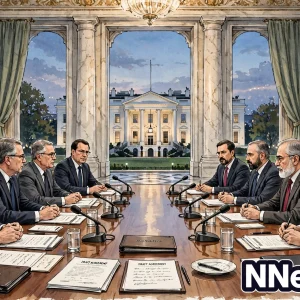
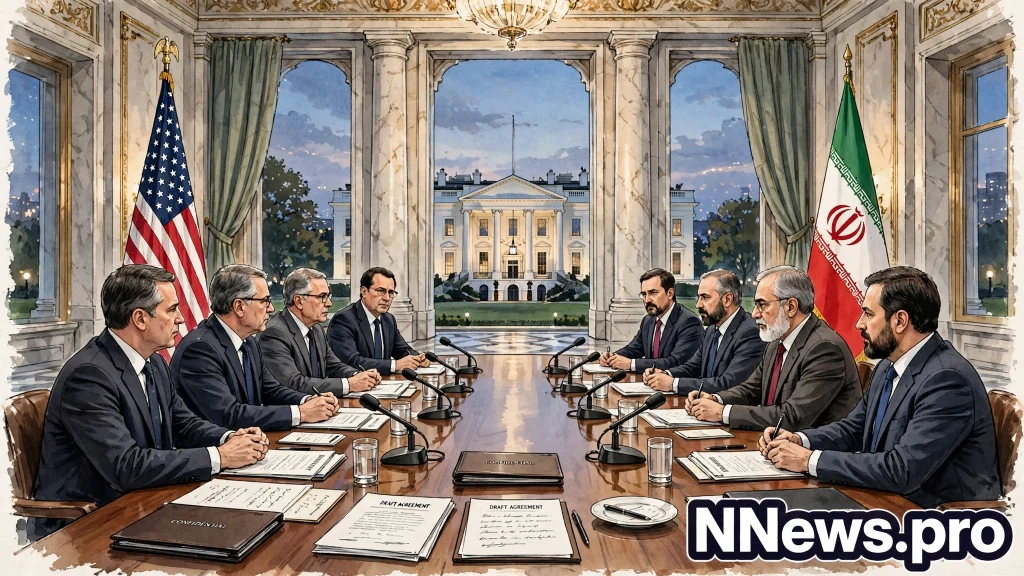
Vice President JD Vance is considering face-to-face talks with Mohsen Rezaei, the hard-line secretary of Iran’s Supreme National Security Council, in a bid to end the months-long war with Iran, The Wall Street Journal reported on Wednesday. President Donald Trump has empowered Vance to lead a renewed diplomatic push, according to U.S. and Middle Eastern officials cited by the Journal, but no meeting has been scheduled and the discussions remain preliminary.
A Letter in October, and a Possible Venue
The Journal reported that Vance sent Rezaei a letter in October requesting a meeting, delivered through Qatari mediators. That earlier outreach, first reported by the newspaper late last month, focused on a possible framework for talks rather than a detailed peace proposal. A spokesman for the vice president declined to comment.
Doha has been discussed as a possible venue for a meeting. On Monday, Vance met the Qatari prime minister and later joined Trump at the White House. A direct meeting between a U.S. vice president and a senior Iranian security official would be highly unusual. Rezaei is a former commander of the Islamic Revolutionary Guard Corps.
Vance has taken a more active role on Iran than the administration’s special envoys, and Witkoff and Kushner remain focused on the war in Ukraine. The Journal said Trump has told aides and foreign counterparts that he is open to Vance restarting negotiations and has empowered him to lead them.
Background: A War Paused, Not Settled
The conflict began on February 28, when U.S. and Israeli strikes hit Iran. A ceasefire followed in April, and a memorandum of understanding was reached in June with Vance’s participation — but it never produced a final settlement.
Trump said on Monday that the war with Iran was ‘effectively over’ after meeting Qatar’s prime minister, while stressing that the U.S. naval blockade of Iran continues and that American forces remain “locked and loaded.” The Journal also reported that Trump had privately criticized the June memorandum, saying it gave Iran time to regroup before the United States imposed a blockade. A White House official rejected suggestions that Trump had second thoughts, saying the negotiators had acted in good faith.
Why This Matters
The diplomatic push comes after a bruising midterm election for Republicans, who lost both chambers of Congress on November 3. Vance has publicly blamed the war for the party’s losses, and the Journal described the new effort as a high-stakes gamble for the vice president: a successful deal could raise his standing, while a failed attempt could leave him tied to a diplomatic breakdown.
Markets are already reacting to the mixed signals. European natural gas prices rose as much as 5.2 percent on Thursday after Trump said the United States does not need a deal with Iran, a remark that cut across the diplomacy of the past week.
Iran, for its part, is demanding that the blockade be lifted, frozen assets released and oil sanctions eased before talks resume. Secretary of State Marco Rubio called those demands “totally unrealistic.” Mediators have floated confidence-building steps, including a U.S. pullback of aircraft carriers and an easing of the port blockade in exchange for Iran allowing 25 tankers through the Strait of Hormuz.
Related Articles

Tehran’s Denial
Tehran’s public position is far harder than Washington’s. Rezaei told the Lebanese broadcaster Al Mayadeen on Monday that Iran is not negotiating with the United States and called reports of continuing talks or a planned meeting in Qatar “pure lies and fabrications.” He has also ruled out removing enriched nuclear material from Iran.
Iranian news agencies confirmed that Tehran received Vance’s letter and had not replied. Rezaei told state television that he had studied the letter and that Washington’s tone had changed. Iranian officials remain skeptical that a deal is near and are wary of further U.S. strikes.
Latest Developments
On Thursday, Trump wrote on Truth Social that the United States “does not need a deal with Iran” and asked Vance to focus his “complete and total attention” on crime in Democrat-run cities and states. The post contrasted with his message on Monday, when he wrote of “positive momentum toward an end to this Conflict,” said Iran cannot have a nuclear weapon — which he called non-negotiable — and noted that another U.S. carrier was moving into the region.
The Journal reported in early October that Trump told aides he expects to resume bombing Iran by the end of November, keeping the military option in view while the mediation continues.
Frequently Asked Questions
Has a meeting between Vance and Rezaei been scheduled?
No. The Wall Street Journal reported that discussions about a direct meeting remain preliminary, with no date, venue or format agreed. Doha has been discussed as a possible location, and the two sides are communicating through mediators and regional allies.
What is Iran demanding before talks resume?
Iran wants the U.S. naval blockade lifted, frozen assets released and oil sanctions eased. Secretary of State Marco Rubio has called those demands “totally unrealistic,” and Tehran has also ruled out removing enriched nuclear material from the country.
Why is Vance leading the effort now?
President Trump has empowered Vance to take charge of renewed negotiations after the midterm elections, in which Vance has publicly blamed the war for Republican losses. The vice president wrote to Rezaei in October proposing a meeting, and he met Qatar’s prime minister on Monday as part of the diplomatic push.
Does Trump still want a deal with Iran?
Trump’s signals have been mixed. On Monday he wrote of “positive momentum” toward ending the conflict, but on Thursday he said the United States “does not need a deal with Iran.” He has also said Iran cannot have a nuclear weapon and that American forces remain ready to strike.
What happens next will depend on whether the two sides can agree on even a meeting. A confirmed date in Doha would be the first direct contact of its kind between a U.S. vice president and Iran’s security chief — but with Tehran publicly denying that talks are under way, and Trump publicly questioning whether a deal is needed at all, the path to the table remains uncertain.
Sources: The Wall Street Journal (via Clash Report); Raydn; Islamabad Post; Market Catalyst.