G7 Warns China’s Actions East of Taiwan Threaten Regional Stability
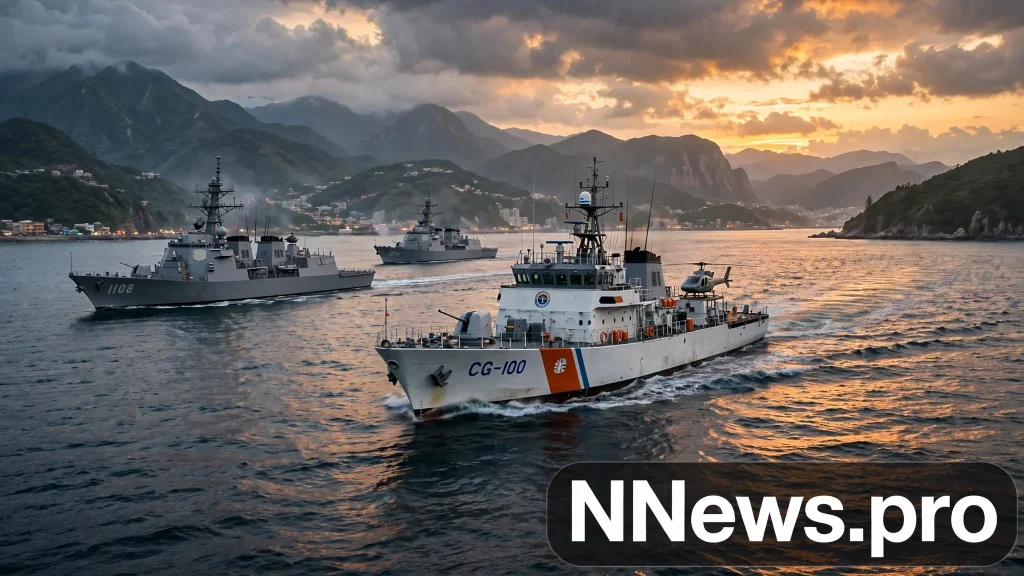
G7 foreign ministers warned late Wednesday that China’s increasingly assertive actions in the waters east of Taiwan threaten regional stability, freedom of navigation and the safety of international shipping, issuing their strongest joint statement yet on Beijing’s activity around the island.
The warning came in a joint declaration published after the ministers met in Paris, where they said China’s activities “threaten regional stability, freedom of navigation and the safety of international shipping.” The statement added: “We reaffirmed our opposition to any unilateral attempts to change the status quo, particularly by force or coercion, or the threat thereof.”
China, which views Taiwan as its own territory, has stepped up activity off the island’s east coast since June, with regular coast guard patrols in the area. Officials in Taiwan, which rejects Beijing’s sovereignty claims, say they believe China is practising for a potential maritime blockade, using overlapping military, paramilitary and civilian assets.
The G7 statement is the strongest unified expression of concern to date about the Chinese activities. The United States, Britain, France and Germany had all previously raised concerns about China’s actions off Taiwan’s east coast individually, but had not spoken together in such direct terms.
China is also carrying out “area denial” drills in the Western Pacific involving one of its aircraft carriers and other naval formations, Taiwan Defence Minister Wellington Koo said on Tuesday, following a reported rise in Chinese activities.
Why the Waters East of Taiwan Matter
The area off Taiwan’s east coast is far from a remote patch of ocean. Taipei regards it as critical to wartime supply routes from allies in the event of a blockade or conflict, and China’s military operates around Taiwan on a daily basis.
Taiwan said that after the Chinese Coast Guard’s latest patrol off the east coast last month, China was harassing shipping and trying to exert a fictional jurisdiction over waters Taipei considers its own.
The stakes extend well beyond the region. The Taiwan Strait is one of the world’s busiest shipping lanes, and Taiwan sits at the centre of the global semiconductor supply chain. Any disruption to navigation or trade through the strait would ripple through the world economy, which is why the G7 framed its warning around freedom of navigation and the safety of international shipping rather than only around Taiwan’s security.
China has never renounced the use of force to bring Taiwan under its control, though it says it would prefer “peaceful reunification.”
Reaction in Taipei and Beijing
Taiwan’s presidential office welcomed the G7 statement, saying peace and stability in the Taiwan Strait and the Indo-Pacific region are core issues vital to global security and prosperity. Taiwan will continue working to strengthen its self-defence capabilities and cooperate closely with like-minded international partners, including G7 member states, spokesperson Karen Kuo said in a statement.
Related Articles
China’s foreign ministry did not immediately respond to a request for comment. China recognises no claims of sovereignty by Taiwan.
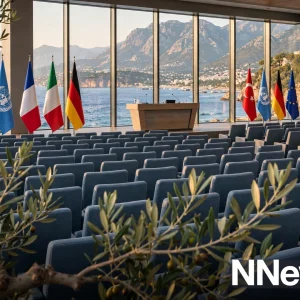
The Paris meeting brought together US Secretary of State Marco Rubio, France’s Foreign Minister Jean-Noel Barrot, Germany’s Foreign Minister Johann Wadephul, Britain’s Foreign Secretary Ed Miliband, Canada’s Foreign Minister Anita Anand, Italy’s Deputy Prime Minister and Foreign Minister Antonio Tajani, Japan’s Foreign Minister Toshimitsu Motegi and EU foreign policy chief Kaja Kallas. Ukraine’s Foreign Minister Andriy Sybiga also attended.
A Crowded Week for Diplomacy
The Paris meeting came during a crowded week for US diplomacy. U.S. envoys arrived in Moscow for talks with Russian President Vladimir Putin, carrying the results of two days of US-mediated negotiations between Russian and Ukrainian delegations in Abu Dhabi.
In the Middle East, Israel’s security cabinet reportedly ordered the military to prepare for a possible strike on Iran, days after President Donald Trump said the Iran war is effectively over.
FAQs
What did the G7 say about China and Taiwan?
G7 foreign ministers said in a joint declaration that China’s increasingly assertive activities in the waters east of Taiwan “threaten regional stability, freedom of navigation and the safety of international shipping,” and reaffirmed their opposition to any unilateral attempt to change the status quo by force or coercion.
Why is the area east of Taiwan important?
Taipei regards the waters east of the island as critical to wartime supply routes from allies in the event of a blockade or conflict. The Taiwan Strait is also one of the world’s busiest shipping lanes, and Taiwan is central to the global semiconductor supply chain.
How has China responded to the G7 statement?
China’s foreign ministry did not immediately respond to a request for comment. Beijing views Taiwan as its own territory, recognises no claims of sovereignty by Taiwan, and has never renounced the use of force to bring the island under its control.
What to Watch Next
The G7 statement stops short of announcing new sanctions or military measures, but as the group’s strongest joint warning yet on the issue, it raises the diplomatic cost of further escalation. The next signals to watch are Beijing’s formal response, whether Chinese coast guard patrols off Taiwan’s east coast continue at their current pace, and whether the “area denial” drills in the Western Pacific expand.
Sources: Reuters, “G7 foreign ministers say China’s actions east of Taiwan threaten stability” (via The Hindu Business Line); Taiwan presidential office statement, via Reuters; Taiwan Defence Minister Wellington Koo, via Reuters.