Ten Killed in Guinea Gold Mining Crackdown as Mass Expulsions Spark Humanitarian Crisis
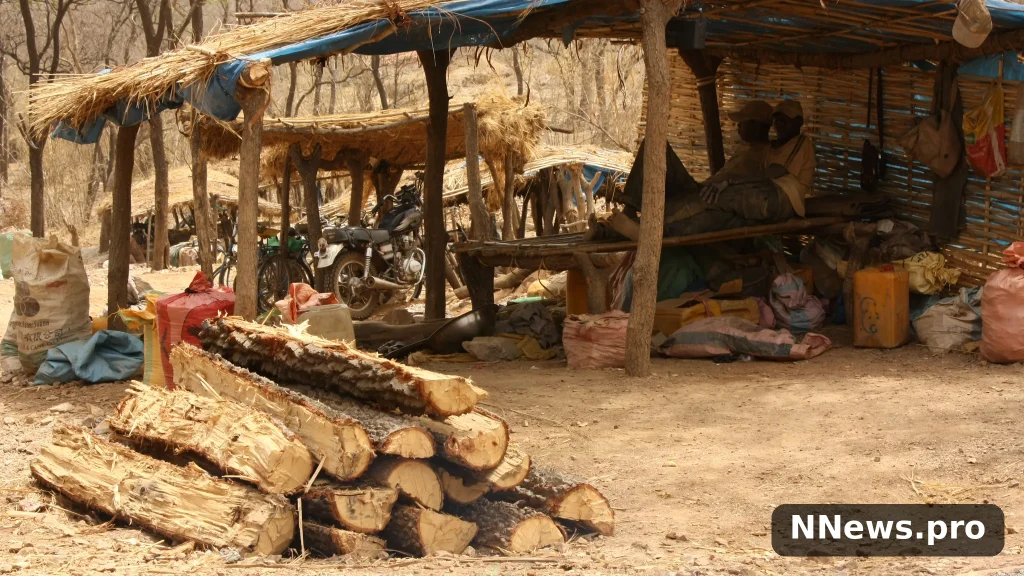
Ten people were killed and 13 others injured in clashes in Guinea’s northeastern gold-producing region of Siguiri, the government said, as security forces moved to enforce a ban on artisanal gold mining that has driven tens of thousands of miners across the country’s borders.
The violence erupted on Wednesday in Balato, in the Siguiri region, when defence and security forces were verifying compliance with the ban, Guinea’s Ministry of Territorial Administration and Decentralization said in a statement dated Thursday. Five foreign nationals were among those killed, although authorities did not disclose their nationalities.
What happened in Balato
According to the ministry, protesters erected barricades on public roads before the confrontation escalated into an exchange of gunfire. The 13 injured included civilians and security personnel, according to provisional government figures.
Judicial authorities have been asked to establish the circumstances of the violence and determine responsibility. The figures remain provisional, and the government has not said whether further casualties have been confirmed since the statement was issued.
The crackdown has gone far beyond the clashes in Balato. Security forces have arrested more than 1,300 people in the enforcement campaign, according to a statement from prosecutors reported by Guinee7. Trials opened this week in the capital, Conakry, and some defendants have already received prison sentences.
Why Guinea banned artisanal mining
Guinea imposed the ban on November 2, blaming unregulated mining operations for extensive environmental damage, including the destruction of farmland and forests and the pollution of rivers.
Artisanal mining provides a livelihood for thousands of workers and their families in the Siguiri region, one of West Africa’s major gold-producing areas. The ban has cut off that income overnight, and the enforcement campaign has pushed miners and their families out of the region in large numbers.
Guinea is the world’s largest producer of bauxite, the ore used to make aluminium, and it also hosts industrial gold mines, including AngloGold Ashanti’s Siguiri operation, in which the company owns 85 percent and the government holds the remaining 15 percent. The industrial mines are separate from the artisanal sites targeted by the ban.
A growing humanitarian crisis
The enforcement campaign has driven tens of thousands of miners and their families across the border into Mali, where authorities have warned of a potential humanitarian catastrophe.
About 100,000 displaced people have arrived in Mali’s capital, Bamako, while nearly 60,000 others have gathered in the border town of Kouremale, according to figures released by Malian authorities on November 7. Ten deaths linked to the displacement crisis have been recorded in Mali, Agence France-Presse reported on Friday, separate from the fatalities reported in Guinea.
Burkina Faso, meanwhile, had received and registered 45,406 returnees as of Thursday, according to its National Emergency Relief and Rehabilitation Council. Officials in Ouagadougou have complained that their nationals were subjected to inhumane treatment during the expulsions, while Mali has warned of a humanitarian emergency.
Why this matters
The crisis is unfolding across one of the world’s most volatile regions. The influx of displaced miners has raised concerns that armed extremist groups operating across the Sahel could exploit the growing humanitarian emergency to recruit vulnerable migrants.
“These people are vulnerable. We are looking at ways to prevent them from being approached by terrorist networks,” a Malian security ministry official told Agence France-Presse.
Related Articles
The episode also underlines the tension at the heart of West Africa’s gold economy. Governments want to control an industry that damages farmland and rivers and escapes taxation, but the crackdowns fall hardest on the poorest workers — and the displacement they cause can destabilise neighbouring countries, as the ambush on a market convoy in western Niger showed in a region already struggling with armed violence.
What happens next
The judicial inquiry into the Balato clashes is now under way, and the trials of arrested miners continue in Conakry. Aid agencies and the governments of Mali and Burkina Faso are pressing Guinea over the treatment of expelled miners, while Malian authorities grapple with sheltering and feeding the tens of thousands who have crossed the border.
Whether the ban holds — and whether Guinea offers the displaced miners any legal route back to work — will determine whether the crisis eases or deepens in the weeks ahead.
Frequently Asked Questions
Why did Guinea ban artisanal gold mining?
Guinea banned artisanal gold mining in the Siguiri region on November 2, 2026, blaming unregulated mining for destroying farmland and forests and polluting rivers. The ban targets small-scale, unlicensed operations rather than the country’s industrial gold mines.
How many people have been killed and displaced?
Ten people were killed and 13 injured in clashes at Balato on November 11, according to Guinea’s government. About 100,000 displaced people have arrived in Bamako, Mali, and nearly 60,000 more are in the border town of Kouremale. Burkina Faso has registered 45,406 returnees, and 10 deaths linked to the displacement have been recorded in Mali.
What happens to the miners who were arrested?
More than 1,300 people have been arrested in the crackdown, according to prosecutors. Trials opened this week in Conakry, and some defendants have already received prison sentences.
Why does this matter beyond Guinea?
The mass expulsions have created a humanitarian emergency in Mali and Burkina Faso and raised fears that extremist groups in the Sahel could recruit among the displaced. The crisis also highlights the wider struggle across West Africa to regulate artisanal gold mining without destroying the livelihoods that depend on it.
Sources: Reuters — “10 killed in clashes in Guinea after artisanal mining ban” (Nov 13, 2026) https://wnflsports.com/2026/11/13/10-killed-in-clashes-in-guinea-after-artisanal-mining-ban/ ; The Northern Miner — “Guinea gold mining crackdown leaves 10 dead” (Nov 13, 2026) https://www.northernminer.com/regulatory-issues/guinea-gold-mining-crackdown-leaves-10-dead/1003897797/ ; Mining.com — “Guinea gold mining crackdown leaves 10 dead, sparks exodus” (Nov 13, 2026) https://www.mining.com/guinea-gold-mining-crackdown-leaves-10-dead-sparks-exodus/ ; The News Booth — “10 Killed, 13 Injured in Guinea Clashes Over Gold Ban” (Nov 14, 2026) https://www.thenewsbooth.co.ke/article/at-least-10-killed-13-injured-in-guinea-clashes-over-gold-mining-ban
Related: Six Killed as Eight-Storey Building Under Construction Collapses Near Nairobi — https://nnews.pro/nairobi-building-collapse-syokimau-six-killed/