Venezuelans Take to the Streets as Blackouts Stretch to 16 Hours a Day
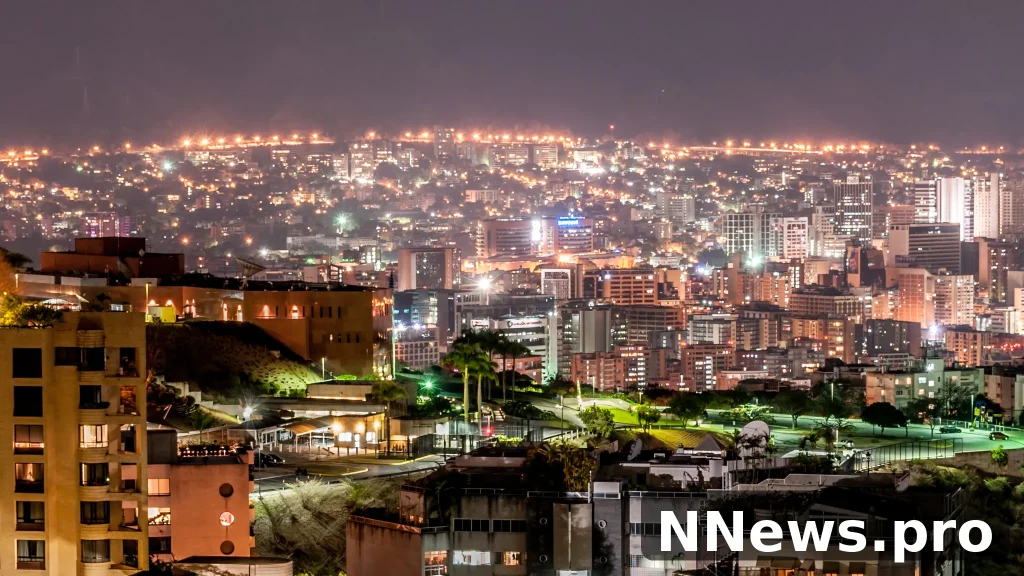
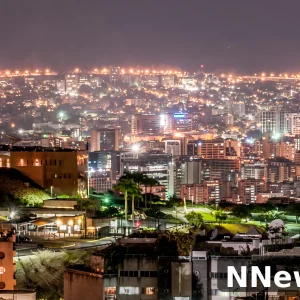
Venezuelans are taking to the streets at a pace not seen in years to protest chronic blackouts, with daily power cuts now lasting up to 16 hours in some regions of the country, according to reporting published on Saturday.
The protests have become the biggest political headache for interim president Delcy Rodríguez, who has led Venezuela since the United States military operation that seized former president Nicolás Maduro in January. Under Maduro, Venezuelans feared nighttime darkness because it sheltered the security forces that crushed dissent. Now darkness itself is the grievance, and people are marching at night to demand power.
A grid that cannot keep up
The electricity crisis has deepened through 2026. Power cuts have grown more frequent since the start of the year, and in recent months outages have become a daily event lasting around seven hours in many areas — and far longer in the hardest-hit regions, where the Washington Post reports cuts of up to 16 hours a day.
A study by ANOVA Policy Research found that 62.8 percent of Venezuelan households experienced daily electricity cuts in 2026, up from 37.1 percent in 2024. The government of Delcy Rodríguez rations electricity deliberately, and the shortages have disrupted homes, businesses, hospitals and other essential services.
Protesters have responded with cacerolazos — banging pots and pans — as well as marches, roadblocks and burning tyres. More than 1,100 protests were recorded across the country in September alone, an average of 37 a day, and the pace has continued into the autumn. On October 22, nationwide demonstrations organized by opposition leader María Corina Machado’s Vente Venezuela movement demanded democratic elections by 2028. Machado returned from exile in Panama City on October 25.
Oil is flowing, but the lights are not
The blackouts are colliding with the government’s push to revive Venezuela’s oil industry. Production has risen by almost 30 percent this year, from 924,000 barrels a day in January to 1.201 million in August, according to OPEC figures. Washington has eased export restrictions and worked with Rodríguez to open the sector to foreign investment, including the ExxonMobil deal (https://nnews.pro/exxonmobil-signs-venezuela-oil-deal-first-step-return/) to return to the country and the Vitol oil contract (https://nnews.pro/vitol-vance-ties-venezuela-oil-contract/) that followed a call to a trader tied to JD Vance.
Analysts say there is not enough electricity to supply both the reviving oil industry and households at the same time. The US-handled $12 billion in Venezuelan oil revenue (https://nnews.pro/us-handled-12-billion-venezuela-oil-revenue-report/), according to a State Department report, but the money has not fixed the grid.
Related Articles


Rodríguez’s government says it is working to stabilize the system and plans to add 1,300 megawatts of generation in the final quarter of the year. On November 10, lawmakers approved reforms allowing private investment and joint ventures in the energy sector. U.S. Energy Secretary Chris Wright has said the grid could be stabilized in six to twelve months under agreements signed with GE Vernova, though no public details of the short-term plan have been released.
Why this matters
The protests test the bargain at the heart of Venezuela’s post-Maduro politics. Rodríguez has presented herself as the viable option for an orderly democratic transition, and Washington has backed that framing while pushing oil deals. But Venezuelans who say they are less afraid to complain now than they were under Maduro are directing their anger at the interim government itself.
The unrest also exposes a practical limit on the oil revival: extraction, refining and export all need reliable power, and a grid that cuts homes off for most of the day cannot support both an industrial boom and daily life. If the blackouts continue into the holiday season, the pressure on Rodríguez — from the streets and from Washington — is likely to grow.
Latest developments
Bloomberg reported this week that the blackout crisis has opened a new challenge for Rodríguez, with outages in the Andean states disrupting daily life and fueling protests. The government has not announced a date for new generation capacity to come online, and the November 10 energy reforms have yet to produce visible relief for households.
Frequently asked questions
Why are Venezuelans protesting?
They are protesting chronic power cuts that now strike daily and last up to 16 hours in some regions, disrupting homes, businesses and hospitals. More than 1,100 protests were recorded in September alone.
Who is Delcy Rodríguez?
Rodríguez is Venezuela’s interim president. She was Maduro’s vice president and has led the government since the U.S. military operation that seized Maduro in January 2026.
Is Venezuela producing more oil?
Yes. Output rose from 924,000 barrels a day in January to 1.201 million in August, according to OPEC, but analysts say the power grid cannot support both the oil industry and households.
What is the government doing about the blackouts?
It says it will add 1,300 megawatts of generation in the final quarter of 2026 and has approved reforms for private investment in the energy sector. U.S. officials have said the grid could be stabilized within six to twelve months.
Venezuelans have endured power shortages for years, but the current wave of protests is different: it is aimed at a government that promised a transition and is now being judged on whether it can keep the lights on.
Sources: Washington Post (via TFI roundup), Al Jazeera, Bloomberg, Wikipedia — 2026 Venezuela protests.