Mexican Prosecutor Who Helped the CIA Operate in Chihuahua Flees to the U.S. for Protection
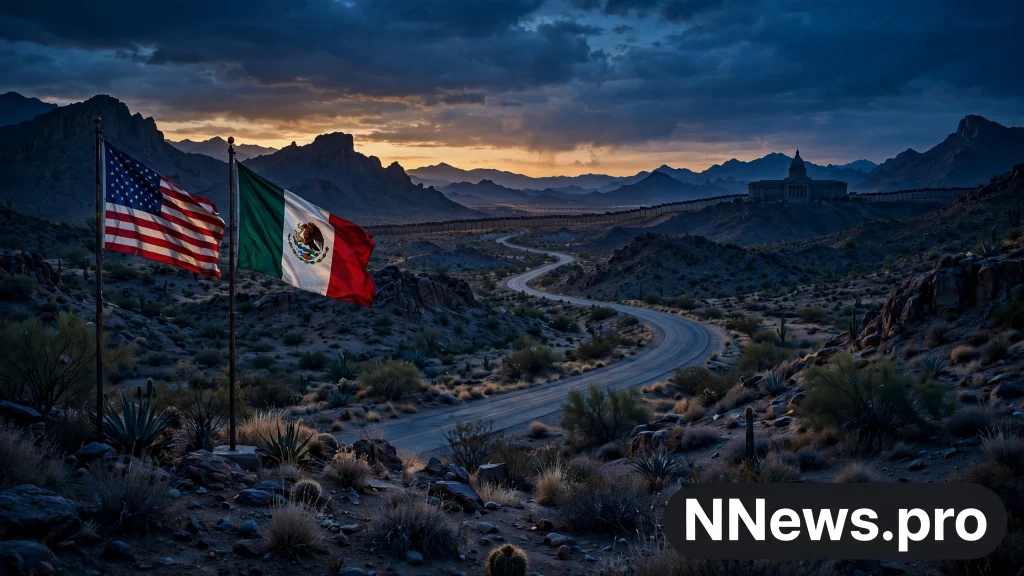
A former Mexican prosecutor who secretly guided CIA officers working against drug cartels in the border state of Chihuahua has fled to the United States and is now under American government protection, U.S. and Mexican officials told The New York Times.
The Times reported on Thursday, November 12, that Guillermo Zuany Portillo, formerly Chihuahua’s special prosecutor for strategic operations, crossed into the United States to escape arrest in Mexico. His exact whereabouts were unknown as of Thursday, and neither Washington nor Zuany has publicly commented on his status.
The flight is the latest turn in a scandal that has exposed a clandestine American intelligence presence on Mexican soil — and a bitter dispute over who authorized it.
The Secret Partnership in Chihuahua
Zuany was one of the most powerful law enforcement officials in Chihuahua, a violent northern state bordering Texas and New Mexico that has long been a battleground for drug cartels. As special prosecutor for strategic operations and anti-kidnapping, and formerly head of the state’s investigation agency, he became the key Mexican partner for a secret CIA presence in the state.
According to the Times investigation, Zuany shepherded CIA officers for more than six months, beginning last year, as they trained Chihuahua state forces, joined them on counter-cartel missions and provided expertise during ground operations. It was the kind of direct American involvement on the ground that Mexican presidents have long resisted.
The arrangement stayed hidden until April 2026, when a car crash killed two CIA officers and exposed the American presence, setting off a political scandal in Mexico. Zuany resigned after the crash. While an investigation determined the crash was an accident, the exposure raised questions about who had authorized foreign intelligence officers to operate on Mexican soil — and how much Mexico’s government knew.
Arrest Warrant and the Treason Case
Mexican authorities moved against Zuany weeks ago. On October 17, 2026, they issued a warrant for his arrest on charges of alleged illegal exercise of public service, collusion and falsehood tied to supervising U.S. agents in Chihuahua. He has also obtained an amparo, a Mexican legal injunction that temporarily bars common-law arrest orders, which complicates enforcement of the warrant.
His former boss, ex-Chihuahua Attorney General Cesar Jauregui, was arrested the same month on treason charges and is being held in maximum security. Jauregui had said President Claudia Sheinbaum was not briefed on the mission because it involved only about 40 Mexican agents.
The case is tangled further by Zuany’s own history with the United States. Washington cancelled his visa late last year, citing alleged cartel links, and the FBI had investigated him, according to the Times. His visa was then reinstated after he facilitated the CIA partnership. The Times reporting does not say the CIA knowingly traded the visa for his cooperation, and Zuany has told the newspaper he always acted ethically and professionally and rejected the allegations against him.
Who Knew? Sheinbaum and Campos Disagree
President Claudia Sheinbaum has repeatedly said she did not want U.S. forces taking part in ground operations in Mexico, calling it a breach of sovereignty, and she has denied knowledge of the CIA activities in Chihuahua.
Zuany’s account points in a different direction. He says Chihuahua Governor Maru Campos knew of the CIA presence, a claim Campos denies. The dispute leaves open how far up the chain of command the partnership reached — and whether state officials acted with or without federal approval.
Related Articles

For Chihuahua, a willing state-level partner offered the CIA a way to act against the cartels without waiting for a federal agreement in Mexico City. For Zuany, it offered American training, intelligence and firepower in a fight his forces were losing.
Why This Matters
The Zuany case lays bare the gap between what the United States and Mexico say in public about security cooperation and what happens in practice. Washington wants results against the cartels, and Mexico City wants control over who operates on its soil. A secret CIA deployment, arranged at the state level and exposed only by a fatal accident, shows how easily the two collide.
It also matters for the Trump administration‘s wider campaign against the drug cartels, which has already included military force against suspected drug boats in the Caribbean and threats of tariffs on Mexico. A revelation that American intelligence officers were operating on the ground in Mexico will sharpen the argument in both countries about how far that campaign should go.
For Mexico, the case is a test of sovereignty and accountability. If a state prosecutor could host foreign intelligence officers without federal approval, the government will face demands to explain how it happened and punish those responsible. If the operation had wider approval, it will face demands to say so.
Latest Developments
Zuany’s future now depends on the U.S. government protecting him. It is not clear whether Washington would shield him from extradition if Mexico seeks his return, and his whereabouts remain unknown.
In Mexico, the investigation continues. Jauregui remains in maximum security on treason charges, prosecutors may pursue others linked to the operation, and the dispute between Sheinbaum and Campos over who knew what is likely to deepen. The wider question is whether the exposure will change how the two countries cooperate against the cartels. For now, the secret partnership is over, its chief Mexican partner is under American protection, and both governments are left to explain what happened.
Frequently Asked Questions
Who is Guillermo Zuany Portillo?
He is the former Chihuahua special prosecutor for strategic operations and anti-kidnapping, and the former head of the state’s investigation agency. He was the key Mexican partner for a secret CIA presence in Chihuahua.
How was the CIA presence in Chihuahua exposed?
A car crash in April 2026 killed two CIA officers, revealing the American presence and triggering a political scandal in Mexico. Zuany resigned after the crash.
Why is Mexico seeking his arrest?
A warrant issued on October 17, 2026, cites alleged illegal exercise of public service, collusion and falsehood tied to supervising U.S. agents in Chihuahua.
Where is Zuany now?
He has fled to the United States and is under U.S. government protection, according to U.S. and Mexican officials who spoke to The New York Times, but his exact whereabouts were unknown as of Thursday, November 12.
The Zuany affair is unlikely to fade quickly. With a treason case pending against his former boss, a fugitive prosecutor under American protection and two governments disputing who authorized a secret CIA operation, the questions it raises about sovereignty, accountability and the U.S.-Mexico security relationship will dominate debate in both countries for weeks.
Sources: The New York Times (Nov 10 and Nov 12, 2026 reports, via US News Pulse and La Jornada); La Jornada (Nov 12, 2026); Sociedad Media (Nov 13, 2026); Particle News (Nov 13, 2026).