White House Warns Democrats Their Planned Investigations Could Amount to “Blatant Criminality”
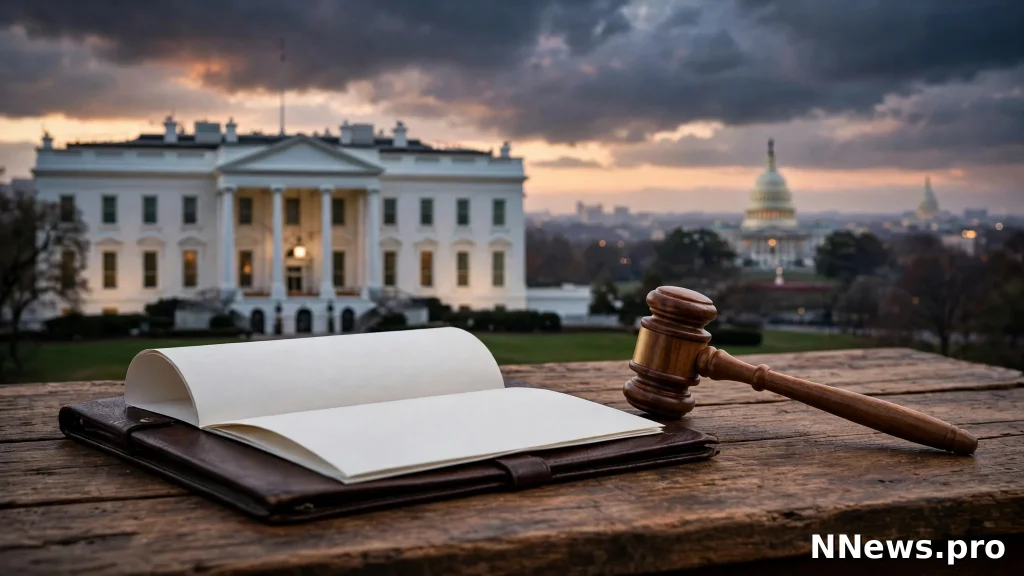
The White House has warned House Democrats that their planned investigations of the Trump administration could cross the line into criminal conduct, in a letter from White House Counsel Will Scharf that became public on Wednesday, November 11.
Scharf wrote to Representative Robert Garcia of California, the Democrat set to chair the House Oversight Committee when the new Congress is seated in January, arguing that subpoenas issued to harass or intimidate administration officials “may cross the line into blatant criminality.” The letter, dated November 9, was first reported by Punchbowl News and later published in full by PBS News.
What the letter says
Scharf opened by reminding Garcia of what he called “the foundational limits that the Constitution imposes on congressional investigations and subpoenas,” adding that members of the new Congress “have evinced a clear intent to transgress” them.
Citing Supreme Court precedent, the letter argues that investigations “conducted solely for the personal aggrandizement of the investigators or to ‘punish’ those investigated are indefensible,” and that congressional inquiries “must further a legitimate legislative task” rather than exercise powers of criminal prosecution that belong to the executive and judicial branches.
“We are monitoring the abusive and capricious threats that are now proliferating from Democrat legislators who seek to abuse the legislative process to intimidate and to interfere with the lawful functioning of government,” Scharf wrote. He closed with a blunt warning: “The Administration will not be extorted and will not be cowed by unlawful process motivated by animus, pettiness, hatred, or any other unlawful motive.”
Notably, the letter does not name any specific criminal statute that Democrats would supposedly violate.
Background: a new majority prepares its oversight agenda
Democrats won control of the House in the November 3 midterm elections and will take the gavels in January, following the record 43-day shutdown, giving them subpoena power for the first time since President Donald Trump returned to office. Their planned oversight targets, reported by CBS News and the Associated Press, include Trump family business dealings, federal immigration enforcement, the Epstein files, cryptocurrency, and the White House ballroom project.
Garcia set the tone on election night, posting on social media that the administration should “lawyer up.” In a statement on Wednesday, he fired back: “It appears Donald Trump has something to hide. Let’s be clear: Congress’ authority comes from Article I of the Constitution, not from the permission of the White House.”
Hakeem Jeffries, the Democrat expected to become House Speaker, called the letter “outrageous,” telling reporters, “It’s factually inaccurate. It’s legally inaccurate, and it’s inaccurate in terms of the Constitution.”
Trump and the attorney general weigh in
President Trump weighed in on Sunday, accusing Democrats of threatening senior administration officials, calling it “extortion” and saying they “should be held accountable for this.” He also directed the Justice Department to look into the Democrats’ oversight push and wrote on Truth Social, “These SLEAZEBAGS should go to jail for what they are doing.”
Attorney General Todd Blanche told CNN in an interview that aired Sunday that “there could be” a crime to investigate if Democratic rhetoric turned threatening. But later in the week in Missouri, Blanche struck a more conciliatory tone, saying, “Congress has oversight authority. It always has, it always will,” and adding that nothing he had said should suggest otherwise.
Related Articles


Why this matters
The exchange sets up a sharp confrontation in January, when Democrats take control of House committees and the power to compel documents and testimony. Legal experts note that while courts can quash a subpoena that lacks a valid legislative purpose, the idea of a congressional investigation itself amounting to a crime is far from established law.
Molly Nixon, a senior fellow at the Cato Institute, told CBS News the letter was “sort of an opening salvo in what will ultimately be a political debate,” adding that it is “incredibly unlikely that any court would find merit in any criminal charge against a member of Congress for their vote on issuing a subpoena.” The Constitution’s Speech or Debate Clause also shields lawmakers from criminal or civil action over legislative acts.
Latest developments
- The Scharf letter, dated November 9, became public on November 11, two days after it was sent.
- Democrats are set to take House control and committee gavels in January, when subpoena authority shifts to the new chairs.
- Garcia has said Congress “will not be deterred” by what he called baseless threats from a “weaponized” Justice Department.
- Fights over documents or testimony could end up in court, with the White House signaling it will challenge demands it views as lacking a valid legislative purpose.
Frequently asked questions
Who is Will Scharf?
William O. Scharf is counsel to President Donald Trump, serving as the White House’s top lawyer. He sent the November 9 letter to Representative Robert Garcia, the incoming chair of the House Oversight Committee.
What did the White House letter actually threaten?
The letter warned that subpoenas issued with the intent to harass or intimidate officials “may cross the line into blatant criminality” and “may warrant further investigation.” It did not cite a specific criminal statute.
Can members of Congress be prosecuted for issuing subpoenas?
Legal experts say it is highly unlikely. The Constitution’s Speech or Debate Clause protects lawmakers from criminal or civil action stemming from legislative duties, and a court that finds a subpoena lacks a valid legislative purpose would typically quash it rather than treat issuing it as a crime.
When do Democrats take control of the House?
The new Democratic-controlled Congress will be seated in January 2027, when committee chairs — including Garcia at Oversight — gain subpoena authority.
The letter makes clear that the coming fight over oversight will be fought not only in committee rooms but in court, with the White House already signaling it will challenge investigative demands it considers unlawful — and Democrats insisting they will not be deterred.
Sources
- Associated Press — “White House confronts Democrats over planned investigations, claiming possible criminality” — https://apnews.com/article/12acd4e233792f687b80eb9636aea18d
- CBS News — “Top White House lawyer warns of ‘blatant criminality’ in Democrats’ investigations push” — https://www.cbsnews.com/news/white-house-counsel-will-scharf-house-oversight-committee-robert-garcia-investigations/
- NBC News, Punchbowl News and PBS News — first reporting of the Scharf letter and publication of the signed letter (as cited in the NewsCubby briefing of November 11, 2026)