Spain Approves Housing Decree a Day After General Strike as Snap Election Looms
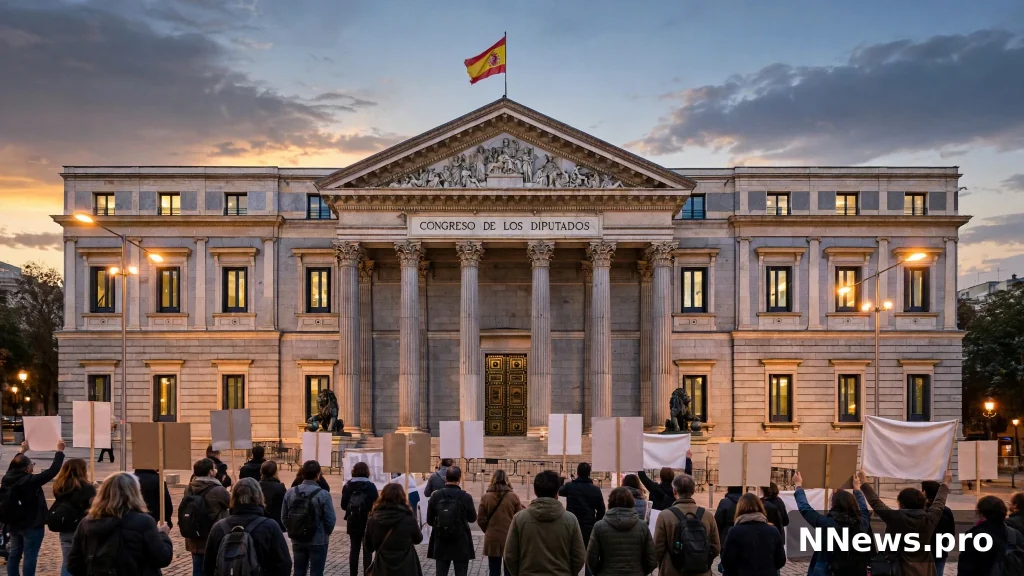
Spain’s caretaker parliament approved one of two emergency housing decrees on Thursday, November 12, by a single vote, a day after millions of workers joined the country’s first general strike in 14 years to protest soaring rents and a deepening housing shortage.
The 69-member standing committee that acts for Congress while parliament is dissolved voted 35 to 34 to validate Royal Decree-law 29/2026, a broad package of rent caps, eviction protections and tax measures. The same body rejected a second decree, Royal Decree-law 28/2026, by the same one-vote margin, killing a proposal for the automatic renewal of rental contracts.
What the approved decree does
The decree that survived covers the core of the government’s housing plan. It caps rent increases at 2 percent through the end of 2027, extends temporary protection against evictions for vulnerable tenants who have no alternative housing until 2030, and gives tenants a two-year extension of their leases.
It also brings seasonal and room rentals under Spain’s main tenancy law, offers income-tax reductions to landlords who lower rents, raises value-added tax on tourist apartments to 10 percent, and restricts purchases of homes by investment funds and large corporate buyers.
The rejected decree would have gone further, making rental contracts renew automatically and requiring landlords who end a tenancy to compensate the tenant. The Basque Nationalist Party, which backed the main decree, voted against the second one, saying it had not been negotiated in advance. Tenants’ associations had pushed hard for the measure, and its defeat was the day’s main setback for the protest movement.
A vote shaped by the strike
The vote came less than 24 hours after Wednesday’s general strike, called by Spain’s two largest unions, the CCOO and the UGT, together with tenants’ associations. It was the first general strike backed by both unions in 14 years, and the first driven by housing costs rather than jobs or austerity.
Organizers said millions of people took part, with demonstrations in Madrid, Barcelona and dozens of other cities. About 4.4 percent of scheduled flights were cancelled, ports and car plants halted production, and schools and public transport ran reduced services.
Housing Minister Isabel Rodríguez defended the package in the debate, saying housing is a right rather than an investment asset. Social Rights Minister Pablo Bustinduy, who defended the failed contract-renewal decree, told the chamber that if Congress was voting in favor, “it will be thanks to the mobilization.”
Why the decrees triggered an election
The housing decrees are the reason Spain is heading to the polls. In early October, the full Congress rejected nearly identical measures, and Prime Minister Pedro Sánchez responded by calling a snap general election for November 29, dissolving parliament.
The government then reissued the decrees, which took effect temporarily when they were published in the official state gazette. Because parliament is dissolved, Thursday’s votes fell to the Diputación Permanente, the standing committee whose different arithmetic allowed the main decree to pass: in the full chamber, the conservative People’s Party, the far-right Vox and the Catalan party Junts together held the majority that defeated the measures in October.
Opposition leader Alberto Núñez Feijóo, whose People’s Party leads in opinion polls, said on Wednesday that he would repeal the decrees if he becomes prime minister. The opposition argues the measures reduce housing supply and push prices up, while the government says they answer a genuine emergency.
Why this matters
Spain faces a housing deficit of about 750,000 homes, according to the Bank of Spain, a figure projected to exceed one million by 2028. Average rents have climbed far faster than wages, and the crisis has become the defining issue of the November 29 election.
Related Articles



The immediate trigger for the strike was the September eviction of María del Carmen Abascal, an 87-year-old Madrid woman known as Maricarmen, whose monthly rent was raised by more than 400 percent, from 500 euros to 2,650 euros. She died in hospital days after being removed from the home she had lived in for seven decades, according to Spanish media reports.
The one-vote margins show how fragile the government’s position is. The approved decree is now law and will stay in force unless a new parliament changes it, but a new majority after November 29 could amend or repeal parts of the package. For renters, landlords and investors, the election will decide whether the measures survive.
The vote also comes as Europe’s leaders juggle multiple crises at once, from housing costs to the war in Ukraine, where US envoys met President Vladimir Putin in Moscow on Thursday after two days of talks in Abu Dhabi.
Latest developments
The electoral campaign is now under way, with housing affordability at the center of the debate. The rejected contract-renewal decree falls for good, while the approved package remains in force. Polls put Feijóo’s People’s Party ahead, though it would likely need support from Vox to govern, and the leftist government is betting that voter anger over housing can close the gap before November 29.
Frequently asked questions
What did Spain’s parliament approve on November 12?
A caretaker standing committee of 69 deputies approved Royal Decree-law 29/2026 by 35 votes to 34. The package caps rent rises at 2 percent through the end of 2027, extends eviction protections for vulnerable tenants to 2030, regulates seasonal and room rentals, and limits corporate purchases of homes. A second decree on automatic contract renewal was rejected by the same margin.
Why did the housing decrees trigger a snap election?
The full Congress rejected nearly identical housing measures in early October. Prime Minister Pedro Sánchez responded by calling an early general election for November 29 and dissolving parliament. The government then reissued the decrees, which took effect temporarily, and Thursday’s vote decided their fate while parliament is dissolved.
What happened in Spain’s general strike on November 11?
Spain’s two largest unions, the CCOO and the UGT, joined tenants’ associations in a 24-hour general strike over housing costs, wages and prices. It was the first general strike backed by both unions in 14 years. Organizers said millions took part, with protests in Madrid, Barcelona and dozens of other cities, and about 4.4 percent of flights were cancelled.
Could the housing measures be reversed after the election?
Yes. The approved decree is now law, but a new parliament after the November 29 election could amend or repeal it. Opposition leader Alberto Núñez Feijóo has said he would repeal the decrees if he becomes prime minister.
Spain’s housing fight is now an election fight. Thursday’s one-vote decisions settled the immediate fate of the government’s emergency package, but voters will have the final say on November 29.
Sources: Reuters; Demócrata; Reuters; Spain Guru.