Senator Calls on Nvidia CEO Jensen Huang to Resign as Board Hires Former Prosecutor to Lead Probe

A Republican senator called on Nvidia chief executive Jensen Huang to resign on Tuesday, November 10, as the chipmaker’s board hired a former federal prosecutor to lead an independent investigation into reports that Huang was targeted by a Chinese intelligence operation. The twin developments turned a corporate scandal into a full-blown leadership crisis for the world’s most important AI company.
Senator Kevin Cramer of North Dakota, a Republican who sits on the Senate Banking Committee, told Politico late Tuesday that the risk of blackmail was too great for Huang to stay in charge of the company that makes the chips powering the global AI boom. “The potential for extortion is so tremendous that something as sensitive as Nvidia chips, I just think he’s got to go,” Cramer said. Hours earlier, former National Economic Council director Larry Kudlow had urged Huang to resign on his Fox Business show.
The pressure came as Nvidia’s independent directors moved to put the investigation on a more formal footing. The company said on Tuesday that it had retained Joon H. Kim, a former acting United States Attorney for the Southern District of New York, and his firm, Wachtell, Lipton, Rosen & Katz, to carry out the inquiry the board announced on Sunday. The investigation will be overseen by the board’s independent directors and supported by outside counsel.
A senator’s demand, and a prosecutor’s appointment
Cramer’s call carried weight beyond ordinary political commentary.
His committee has jurisdiction over bills that would curb Nvidia chip sales to China, including the AI Overwatch Act and the Chip Security Act, which are being considered for inclusion in the annual defense spending bill. A senator who helps write the rules for Nvidia’s most sensitive market is now saying its chief executive should go. Cramer had already dismissed the board’s earlier steps as “fine, but not nearly enough.” His demand does not remove Huang — only Nvidia’s board can do that — but it raises the political cost of keeping him. The board has expressed confidence in Huang and his leadership team, and Huang has said he intends to keep leading the company. Senate Minority Leader Chuck Schumer has also demanded answers from the Trump administration and called for stricter restrictions on advanced chip exports to China.
Kim is a heavyweight choice for the job. As a Manhattan federal prosecutor, he led the investigation into sexual harassment accusations against former New York Governor Andrew Cuomo. His appointment signals that Nvidia’s independent directors want the inquiry to be seen as genuinely independent, not a review run by the chief executive’s longtime allies. The board said when it announced the investigation on Sunday that it had no reason to believe American national security or Nvidia’s confidential information had been compromised, but that it would examine all available information. No conclusions have been announced, and no public finding has established that Huang knowingly took part in espionage or that any sensitive information or technology was passed on.
What the board’s investigation will examine
The inquiry centers on Huang’s relationship with Alice Huang, a businesswoman who is not related to the Nvidia chief executive. She was formerly an executive at Megaspeed International, a Singapore-based data center company that Nvidia lists as a cloud partner. The New York Times reported last month that American officials had concluded Alice Huang was a Chinese intelligence asset, recruited by China’s Ministry of State Security to target the Nvidia chief executive. Reuters said it could not independently verify that report, and China has denied the intelligence allegations. The allegations have not been established as fact.
Reuters, citing a report by The Information, also reported that Alice Huang’s connections helped facilitate at least $7.5 billion in Nvidia chip shipments to Chinese firms since 2023. That report does not say Huang knew about or approved any shipments, and the shipments themselves have not been independently verified. Megaspeed has drawn United States scrutiny over whether it helped Chinese firms obtain export-controlled Nvidia chips, but there has been no public finding that it broke the rules. Huang admitted in an email to employees on Sunday that he had an extramarital affair, said he would cooperate fully with the investigation, and returned to the company’s California headquarters on Monday. President Donald Trump has said the FBI is looking into the case, and that Huang told him he had no idea the woman was a spy.
The $430 billion question for investors
Nvidia shares closed at $168.89 on Tuesday, down 5.5 percent, after a 4.3 percent drop on Monday. The company has lost about $430 billion in market value in two days, according to Reuters, and the stock is down roughly a quarter from its recent peak. The fall is all the more striking because the broader market rallied on the same days, with the Dow posting its best day since April on Monday. Nvidia, the company at the center of the AI boom, moved in the opposite direction.
Wall Street’s caution deepened on Tuesday, when Baird slashed Nvidia’s price target to $200 from $500 and downgraded the stock to Neutral, citing the China sales restrictions, a possible slowdown in AI spending and the leadership uncertainty around Huang and the board probe. Morgan Stanley removed Nvidia from its top-pick list, Bank of America took it off its US 1 List, and Citi cut its target to $285 from $315. A shareholder class action was also filed on Monday in federal court in California, accusing the company of misleading investors about the affair and the related risks. The suit is a development on the earlier coverage, not a finding of wrongdoing.
Background: how the scandal unfolded
The crisis began with a New York Times investigation published last month, which reported that United States intelligence officials had identified Alice Huang as a Chinese intelligence asset who had cultivated a close relationship with Jensen Huang. She had worked in banking and investment management in China before becoming Megaspeed’s controlling shareholder in March 2023, according to a Reuters review of corporate records.
Related Articles



That prominence is exactly why the allegations have landed so hard. Nvidia’s chips are subject to some of the strictest export controls in American trade policy, designed to keep the most advanced processors out of Chinese hands. Any suggestion that the company’s chief executive could be compromised — or that its chips reached China through back channels — touches directly on national security, not just corporate governance.
The board opened its investigation on Sunday, November 8. On Monday, Trump said the FBI was examining the matter. On Tuesday, the board named Kim and Wachtell Lipton, Cramer called for Huang’s resignation, and the shares fell again.
Why this matters
For American readers, the story matters on three levels. First, national security: Nvidia’s chips are the engines of the AI race with China, and Washington has spent years building export controls to keep them out of Beijing’s hands. If the chief executive of the company that makes them was targeted by a foreign intelligence service, lawmakers will want to know what was exposed and what safeguards failed.
Second, the AI economy: Nvidia is the single most important company in the artificial intelligence buildout. A prolonged leadership crisis, or the loss of a chief executive who has run the company for more than three decades, could shake confidence across the sector.
Third, corporate governance: the case tests whether a board can credibly investigate its own founder and chief executive. Hiring a former acting United States Attorney is a strong signal, but the investigation’s credibility will ultimately rest on what it finds and whether the board acts on it.
Latest developments and what happens next
Nvidia reports third-quarter results on November 17. The following day, November 18, Huang is due to appear for a closed-door briefing with a House committee that has asked him to explain the matter. The board’s independent investigation is expected to take weeks, and the board has not set a public timetable. Until it reports, the central questions remain unanswered: what Huang knew, whether any information or technology was compromised, and whether the relationship touched the company’s business in China.
Cramer’s call is a demand, not a decision: Huang has given no sign he intends to step down, and the board has expressed confidence in him. But the pressure is now coming from both parties and from the committee that writes the export rules.
Frequently Asked Questions
Why is Senator Kevin Cramer calling for Jensen Huang to resign?
Cramer, a Republican on the Senate Banking Committee, said the risk that Huang could be blackmailed over his relationship with a woman American officials have identified as a Chinese intelligence asset was too great for the chief executive of America’s most sensitive chipmaker. He told Politico: “The potential for extortion is so tremendous that something as sensitive as Nvidia chips, I just think he’s got to go.” His call is a demand, not a decision — only Nvidia’s board can remove Huang.
Who is Joon Kim, and what will he investigate?
Joon H. Kim is a former acting United States Attorney for the Southern District of New York, now at the law firm Wachtell, Lipton, Rosen & Katz. Nvidia’s independent directors retained him on November 10 to lead the investigation the board announced on November 8. The inquiry will examine Huang’s relationship with Alice Huang, a former Megaspeed executive, and the allegations of a possible Chinese intelligence operation. No conclusions have been announced.
Has it been proven that Huang helped China obtain Nvidia chips?
No. The New York Times reported that American officials concluded Alice Huang was a Chinese intelligence asset, and The Information reported, via Reuters, that her connections helped facilitate at least $7.5 billion in Nvidia chip shipments to Chinese firms. Neither report has been independently verified by Reuters, the report does not say Huang knew about or approved any shipments, and China has denied the allegations. There is no confirmed public finding that Huang knowingly participated in espionage or that any sensitive information was compromised.
How much has Nvidia’s stock fallen?
Nvidia shares closed at $168.89 on Tuesday, November 10, down 5.5 percent on the day after a 4.3 percent drop on Monday. The company has lost about $430 billion in market value in two days, according to Reuters. Nvidia reports third-quarter results on November 17.
A senator’s demand, a prosecutor’s appointment and a $430 billion market slide have turned Nvidia’s scandal into a test of the company’s leadership and Washington’s trust in the firm at the heart of the AI boom. The board’s investigation will decide whether Huang survives it.
Sources: Decrypt (https://decrypt.co/382991/nvidia-sheds-430b-in-two-days-as-jensen-huang-faces-calls-to-resign); International Business Times (https://www.ibtimes.sg/nvidia-loses-430-billion-value-jensen-huang-spy-allegations-trigger-major-investigation-96127); ANI (https://www.IndianEconomicObserver.com/news/senior-republican-on-us-senate-banking-panel-calls-on-nvidia-ceo-huang-to-resign20261111102756//); DQ India (https://www.dqindia.com/news/nvidia-jensen-huang-probe-resignation-calls-ai-chip-security-12800496); Blockster (https://blockster.com/nvidia-430-billion-market-value-huang-affair-leadership-crisis); Reuters reporting cited therein.
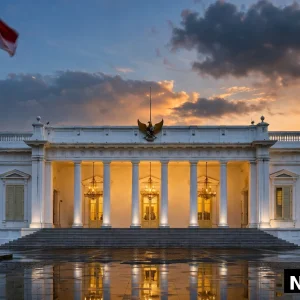











[…] fallout has been swift. Senator Kevin Cramer, a Republican on the Senate Banking Committee, called on Huang to resign on Tuesday, saying the affair with a woman alleged to be a Chinese spy had compromised the chief […]